Microscopic Plastic Pollution Triggers Global Environmental Crisis As Remediations Advance
Researchers evaluate modern detection tools and remediation strategies to combat the spread of microplastics and nanoplastics across ecosystems.
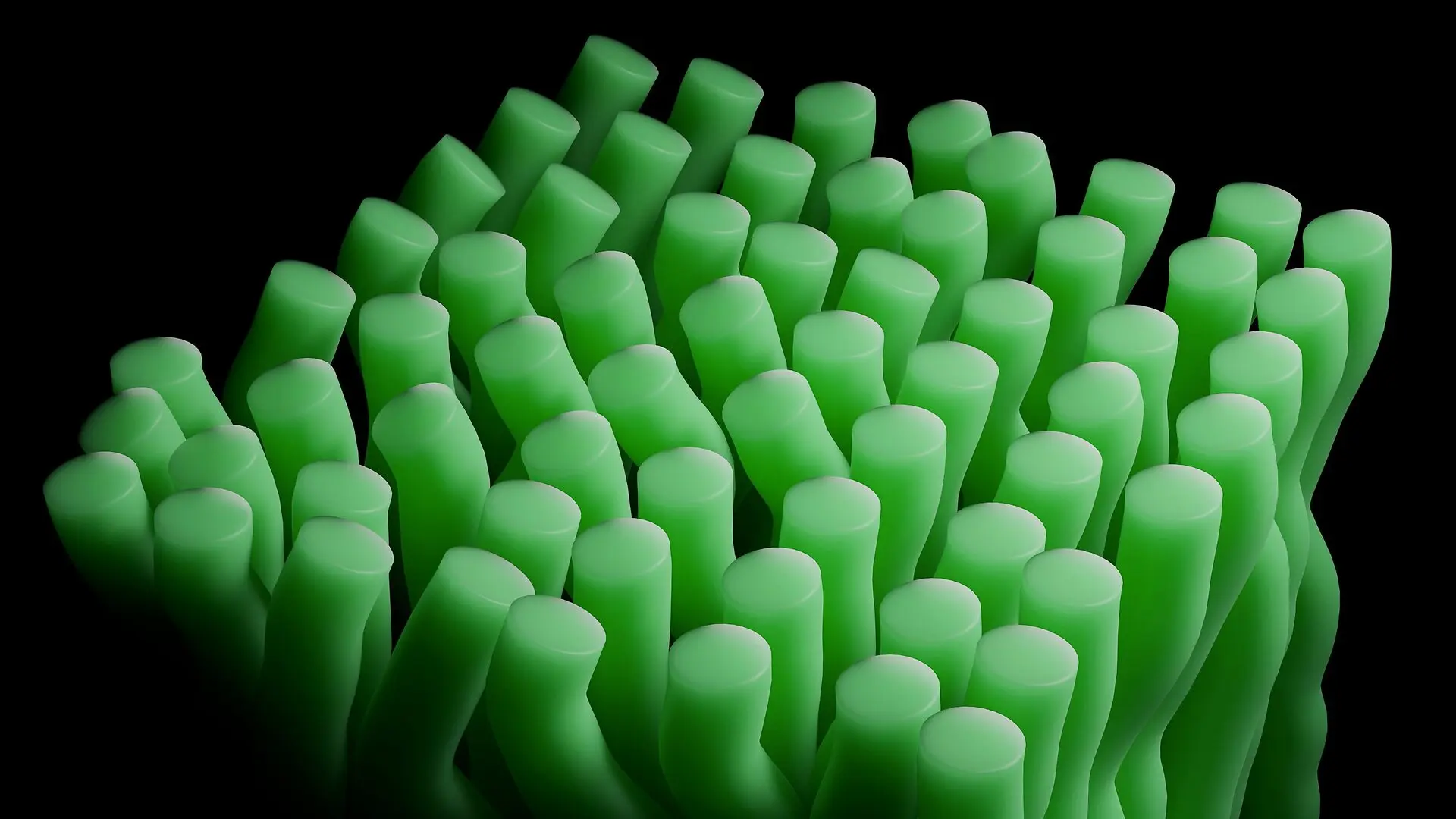
Tiny fragments of plastic smaller than a grain of sand are now circulating through global ecosystems, accumulating in agricultural soils, water bodies, and the atmosphere. Global plastic production has surged from nearly two million tons in 1950 to 381 million tons, and projections indicate it could reach twelve billion tons by 2050. This massive volume breaks down over time into microplastics ranging from one micrometer to five millimeters and nanoplastics smaller than one micrometer. Researchers are working to understand how these persistent particles transform, move through the environment, and threaten living organisms. A comprehensive review published in Advanced Science by Sarangi and colleagues examines the structural changes, detection methods, and remediation strategies associated with these microscopic pollutants.
How Do Weathered Plastics Move Through Air, Water, and Soil?
Primary microplastics are intentionally manufactured for products like cosmetics and facial cleansers, while secondary microplastics form when larger items such as single-use packaging and synthetic clothing break apart from mechanical wear and ultraviolet radiation. Tire and brake wear also release significant amounts of particulate matter into the air, contributing to widespread distribution. Once in the environment, these particles undergo chemical weathering, photo-oxidation, and microbial colonization that alter their surface chemistry and create environmentally persistent free radicals.
These aged particles travel long distances through wind and water, eventually settling into terrestrial soils and aquatic environments. In agricultural regions, plastic mulching and the application of sewage sludge introduce thousands of plastic items per kilogram of dry soil. These materials disrupt soil structure, reduce water-holding capacity, and alter microbial communities. In aquatic ecosystems, microplastics are ingested by various marine organisms, leading to oxidative stress, growth inhibition, and reproductive toxicity across food webs.
Can Advanced Remediation Techniques Capture Microscopic Debris?
Traditional wastewater treatment plants struggle to capture the smallest fractions of plastic debris, prompting the development of advanced separation and degradation technologies. Coagulation and flocculation methods use chemical agents to neutralize surface charges, causing suspended particles to clump together into larger flocs that can be settled out of water. Membrane filtration employs semipermeable barriers enhanced with two-dimensional nanomaterials such as graphene oxide and MXenes to trap particles through size exclusion and surface adsorption.
Magnetic separation offers another promising approach by coating non-magnetic plastic particles with iron oxide nanoparticles, allowing them to be extracted using an external magnetic field. Advanced oxidation processes and solar-driven photocatalysis generate reactive oxygen species that break down polymer chains, eventually mineralizing the plastic fragments into carbon dioxide and water. Additionally, three-dimensional printing technologies are being utilized to fabricate custom filter geometries and upcycle collected plastic waste into useful carbon structures.
What Role Does Artificial Intelligence Play in Detection?
Identifying microscopic plastics in complex environmental samples remains a significant technical challenge due to their small size and diverse chemical compositions. Conventional spectroscopic techniques like Fourier-transform infrared spectroscopy and Raman spectroscopy provide detailed chemical fingerprints but can be time-consuming when analyzing thousands of particles. To overcome this bottleneck, researchers are increasingly coupling spectral data with machine learning algorithms and convolutional neural networks to automate particle identification and quantification.
These computational models can accurately classify polymer types and predict weathering states within minutes, significantly accelerating environmental monitoring efforts. However, current machine learning models are often trained on pristine laboratory plastics rather than weathered environmental samples containing diverse biological and mineral interferences. Expanding standardized spectral libraries and improving detection limits for nanoplastics remain critical priorities for future research and regulatory policy development.
The research was published in Advanced science (Weinheim, Baden-Wurttemberg, Germany) on November 23, 2026.
This article has been fact checked for accuracy, with information verified against reputable sources. Learn more about us and our editorial process.
Last reviewed on .
Article history
- Latest version
Reference(s)
- Sarangi, Subham., et al. “Micro/Nanoplastics: Structural Transformations, Reactivity Migration, and Emerging Separation Strategies.” Advanced Science, November 23, 2026 Wiley, doi: 10.1002/advs.78717. <https://doi.org/10.1002/advs.78717>.
Cite this page:
- Posted by Raj Joshi