Custom Telehealth Platform Achieves High Adherence Rates Among Older Adults in Digital Usability Study
A structured mixed methods trial reveals that age-adapted software design and equipment support enable strong engagement in remote exercise and care programs.

Older adults participating in a virtual wellness program completed remote exercise and occupational therapy sessions with high adherence rates, challenging common assumptions about digital adoption among seniors. The trial evaluated a custom digital interface called PromoSanté, which combined live group video calls with self-paced learning modules for individuals aged 65 and older living in private dwellings in Sherbrooke, Quebec. The findings indicate that older participants achieved strong engagement when interfaces featured simplified navigation, large touch targets, and structured support.
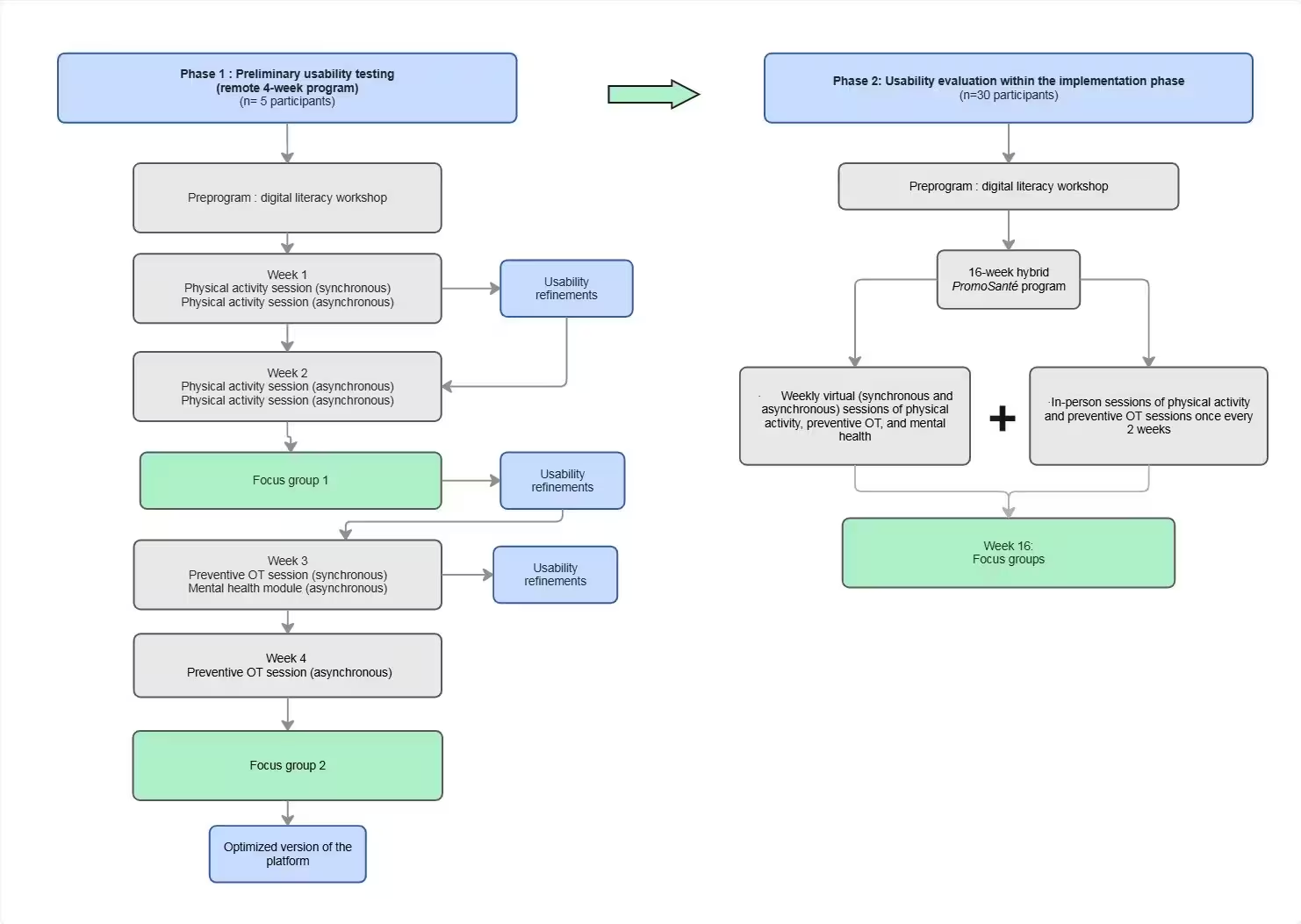
Physical and social deconditioning can create a self-perpetuating cycle of frailty, falls, and social withdrawal among aging populations. While remote interventions offer a way to deliver exercise and preventive care without travel barriers, poorly designed software often leads to abandonment. To combat these usability hurdles, researchers led by Patrick Boissy at the Université de Sherbrooke published in JMIR Aging a mixed methods evaluation detailing how the platform was iteratively designed and tested across two distinct phases to support older users.
How did the preliminary testing phase shape the software design?
In the initial phase, five older adults with a median age of 73 completed a four-week task-based scenario to test core functionalities, such as joining videoconferences and navigating asynchronous modules. Participants recorded a median System Usability Scale score of 82.5 out of 100, reflecting excellent perceived usability. However, direct observations and focus groups revealed minor hurdles, including suboptimal camera angles that blocked kinesiologists from seeing full-body movements and touch-screen typing difficulties caused by reduced finger dexterity.
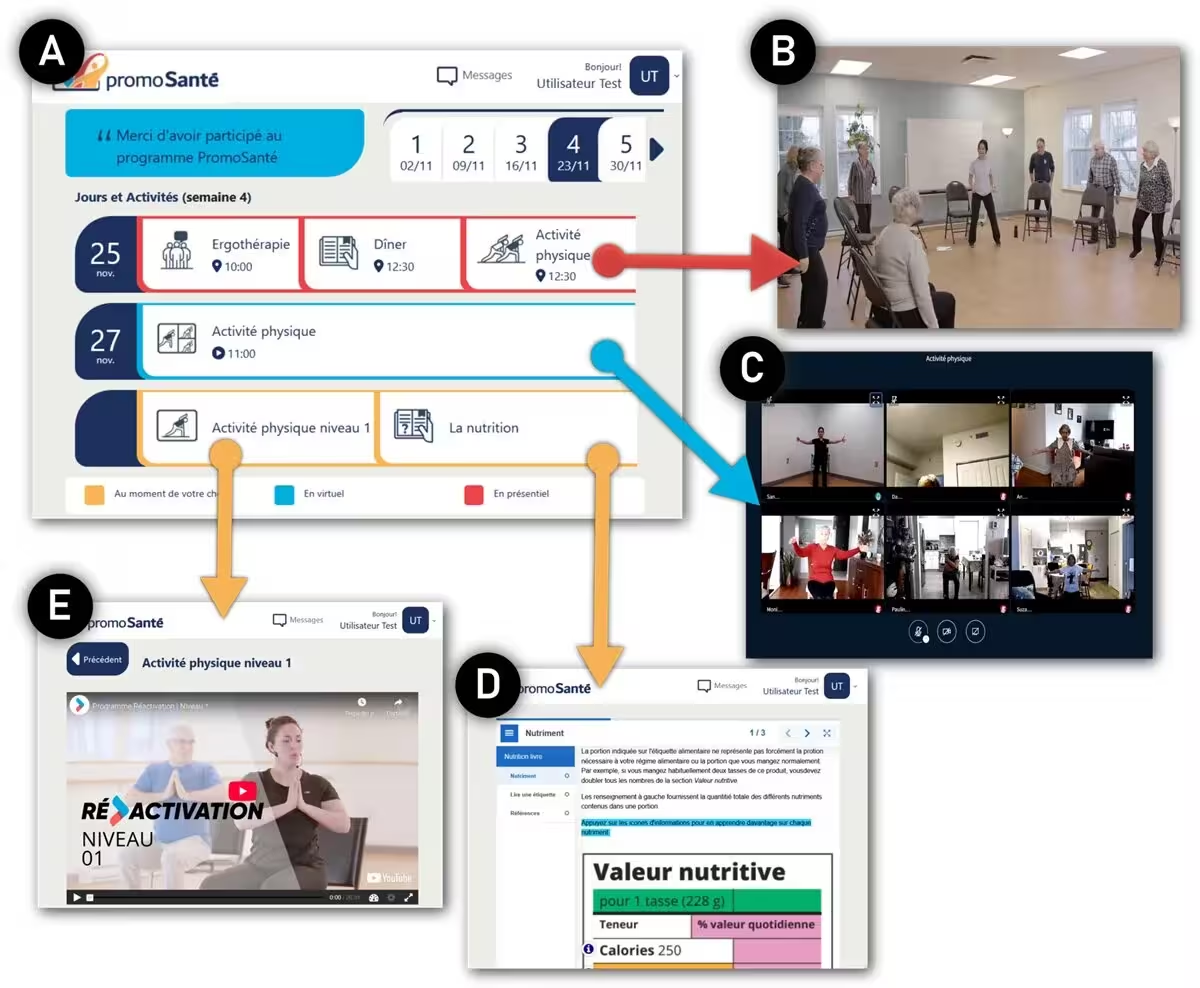
To resolve these interaction barriers, the research team implemented targeted refinements. They introduced tripods to stabilize participant tablets, provided wireless headsets for health care professionals to eliminate background noise, and enlarged interactive screen buttons alongside offering styluses. A printed user guide was also created to assist with initial tablet setup and connectivity instructions, which helped reduce early anxiety among users with limited digital experience.
What did real-world implementation reveal about user adherence and acceptance?
Following prototype optimization, a broader evaluation tracked 30 participants with a mean age of 75.1 years across a 16-week hybrid program that blended community center meetings with virtual sessions. Over the study period, the platform recorded 1,813 total visits, averaging 113 visits per week. Participation remained robust throughout the duration, with adherence rates reaching 85.4 percent for synchronous videoconferences and 83.3 percent for asynchronous modules.
Data gathered through an adapted Unified Theory of Acceptance and Use of Technology questionnaire demonstrated favorable ratings across multiple domains. More than 80 percent of participants scored above the neutral midpoint for performance expectancy, effort expectancy, facilitating conditions, and hedonic motivation. Qualitative feedback indicated that seniors valued the flexibility of asynchronous content, which allowed them to complete activities around personal routines and caregiving responsibilities without transportation stress.
What limitations should be considered when interpreting these results?
The authors noted several important constraints regarding the generalizability of the findings. Most participants reported regular prior use of digital devices like smartphones, suggesting relatively high baseline digital literacy compared to broader aging populations. Furthermore, the study provided participants with pre-configured tablets, reliable internet connectivity, and ongoing technical support during onboarding.
These supporting conditions likely influenced engagement levels, meaning that similar success might not automatically translate to environments lacking dedicated infrastructure. Future deployments will need to evaluate software performance on users’ personal devices across more diverse demographic and geographic settings to confirm long-term scalability and routine clinical integration.
The research was published in JMIR aging on November 24, 2026.
This article has been fact checked for accuracy, with information verified against reputable sources. Learn more about us and our editorial process.
Last reviewed on .
Article history
- Latest version
Reference(s)
- Koubaa, Nesrine., et al. “Usability of a Digital Platform Supporting a Telehealth Intervention for Physical and Social Deconditioning in Older Adults: Mixed Methods Study.” JMIR Aging, vol. 9, November 24, 2026, pp. e96315-e96315. JMIR Publications Inc., doi: 10.2196/96315. <https://doi.org/10.2196/96315>.
- Posted by Raj Joshi