Brazilian Symposium Expands Heat Stress Research Amid Rising Extreme Weather Risks
Newly published data from a major national symposium reveal how researchers are tracking dangerous heatwaves and striving to protect vulnerable urban populations.
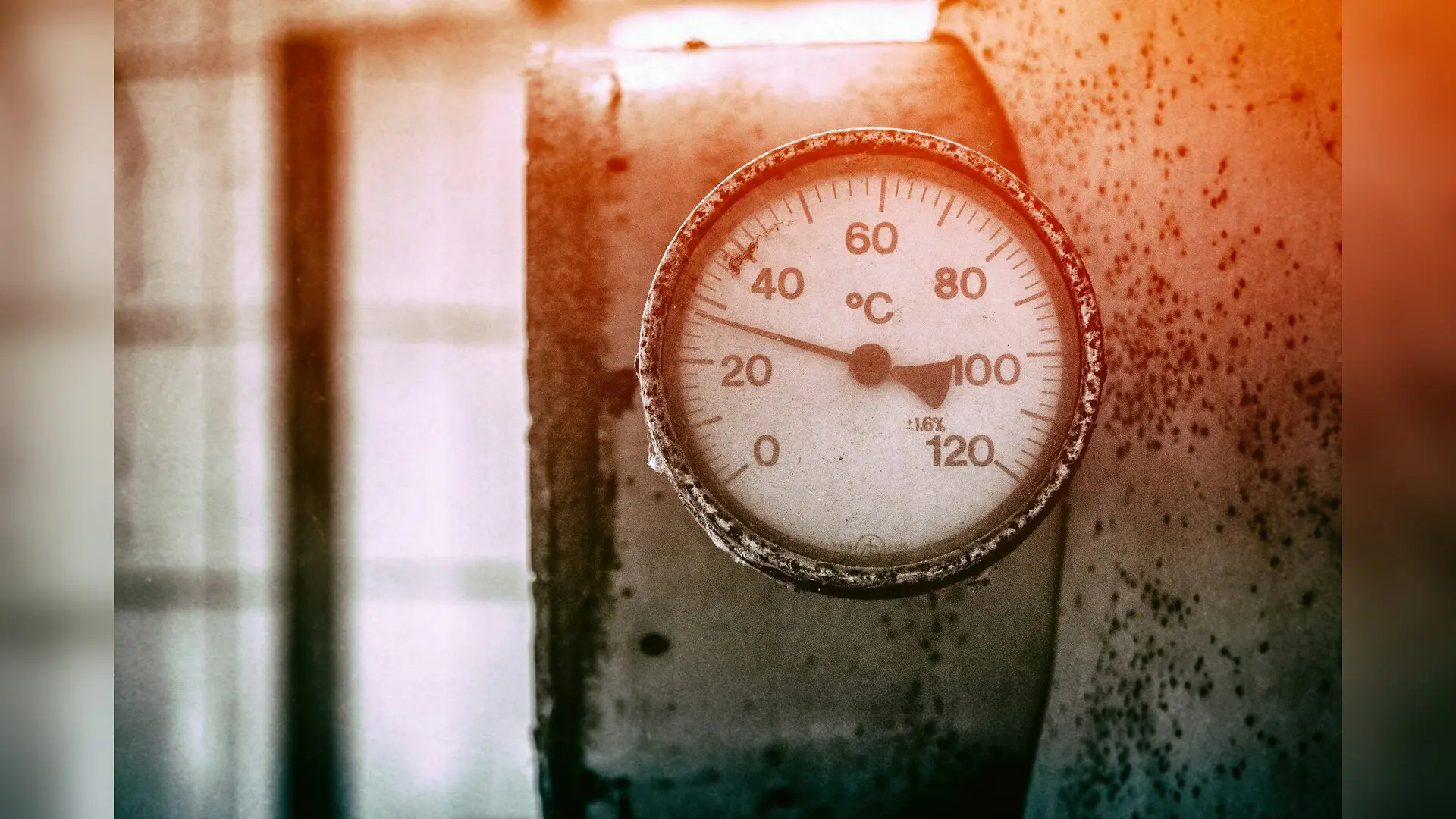
Dangerous daytime heat and relentless nighttime temperatures are expanding across four distinct dimensions, threatening human health as global warming accelerates. Subtropical regions now endure fifty additional days of strong to extreme heat stress every year compared to the 1970s, compounding risks for vulnerable populations worldwide. Experts gathered to evaluate these compounding pressures and chart protective strategies during recent academic assemblies.
How Did the Brazilian Symposium on Human Biometeorology Expand Its Reach?
The Third Brazilian Symposium on Human Biometeorology, held at Mackenzie Presbyterian University in São Paulo, marked a decisive shift toward in-person collaboration. Symposium discussions are outlined in a short communication published in the International Journal of Biometeorology, authored by Eduardo L. Krüger and colleagues. The event brought together researchers to address mounting heat risks across the nation.
Participation surged significantly during this third edition, attracting one hundred forty-six paper submissions. This represented a substantial increase from the sixty abstracts compiled during the second gathering in Curitiba and the forty-six submissions received during the virtual launch event in Natal in 2022. Organizers noted that the growing network successfully bridges regional divides despite post-pandemic challenges and funding constraints.
What Role Do Urban Microclimates Play in Public Health?
Research presented at the symposium demonstrated that eighty-seven percent of approved contributions focus squarely on human comfort, climate change, and public health. Biometeorology and thermal comfort dominated the presentations at forty-seven percent, while health, climate, and urban adaptation accounted for forty percent. Emerging areas, including governance, tourism, and recreation, captured four percent of the studies, highlighting a growing focus on climate justice in traditional communities and vulnerable tourist destinations like Santarém.
Scholars highlighted the heavy toll of intense heatwaves, noting that compound events during recent years escalated surface temperatures and wildfire risks across the Amazon and South America. Speakers detailed how extreme weather exacerbates cardiovascular, respiratory, and renal diseases. To capture these fine-scale hazards, investigators utilized advanced tools such as machine learning algorithms, cloud-based data processing via Google Earth Engine, and microclimatic simulations.
Can Wearable Sensors and Policy Frameworks Protect Vulnerable Populations?
Keynote presentations emphasized innovative methods to track human exposure on a pedestrian scale. International experts introduced refined physiological models to evaluate thermal stress for specific groups, including athletes at major sporting events and vulnerable urban residents. Researchers also demonstrated how mobile backpacks and wearable Internet of Things sensors bypass the limitations of sparse official monitoring networks.
Despite these technological advancements, roundtable discussions revealed a persistent disconnect between street-level environmental data and institutional public health governance. Localized academic findings are rarely integrated into municipal zoning laws or active health surveillance protocols. Experts stressed that future efforts must connect environmental telemetry directly with institutional frameworks like the Brazilian Unified Health System to protect urban populations from escalating climate extremes.
The research was published in International journal of biometeorology on November 23, 2026.
This article has been fact checked for accuracy, with information verified against reputable sources. Learn more about us and our editorial process.
Last reviewed on .
Article history
- Latest version
Reference(s)
- Krüger, Eduardo L.., et al. “Organizing the area of Human Biometeorology in Brazil – insights from the third Human Biometeorology Symposium.” International Journal of Biometeorology, vol. 70, no. 12, November 23, 2026 Springer Science and Business Media LLC, doi: 10.1007/s00484-026-03382-3. <https://doi.org/10.1007/s00484-026-03382-3>.
Cite this page:
- Posted by Raj Joshi