How Offshore Wind Reports Miss Cumulative Ocean Pressures
A review of 46 environmental assessment reports across seven jurisdictions reveals persistent gaps in evaluating combined marine pressures from offshore wind farms.
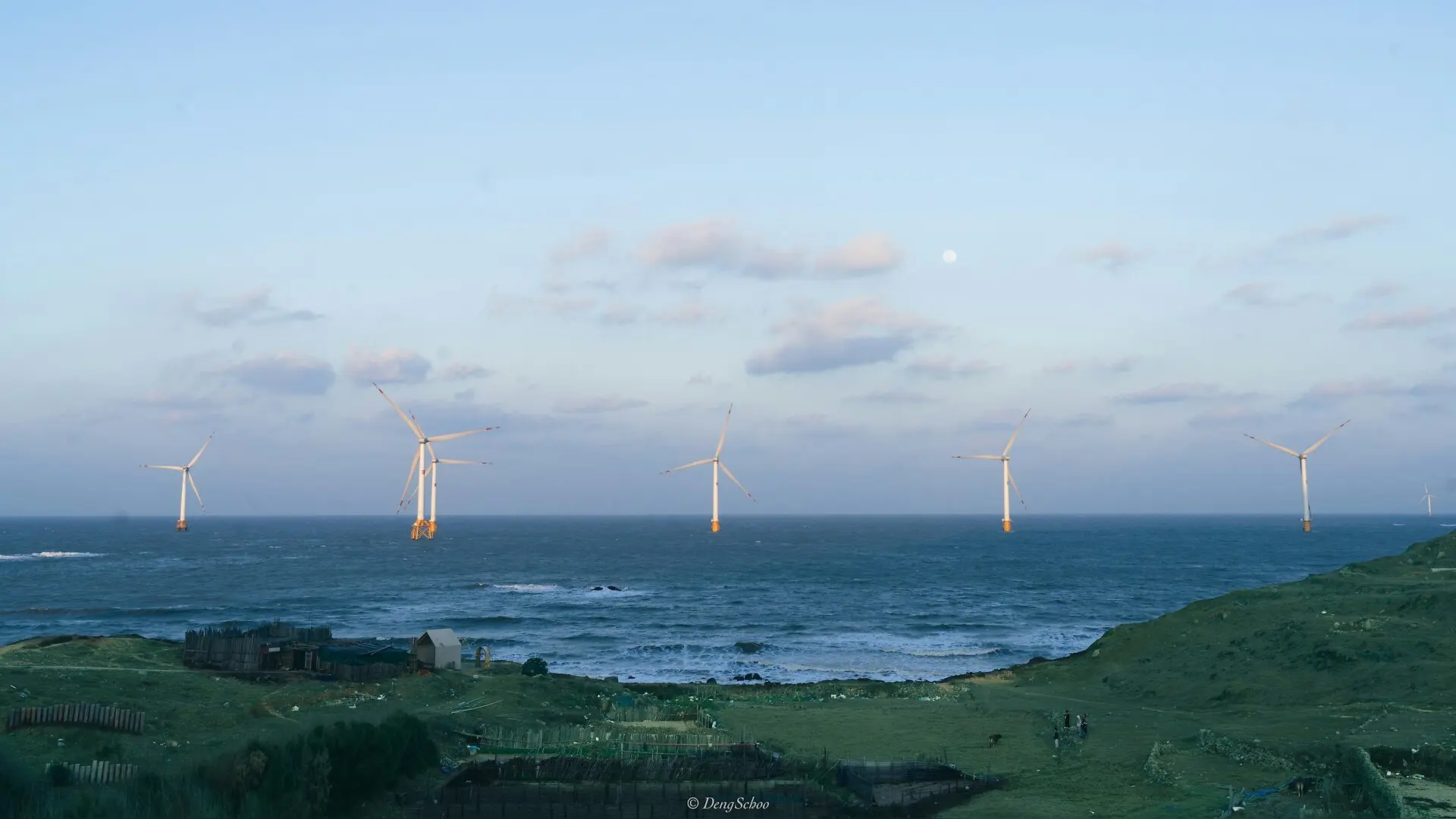
When countries build massive arrays of offshore wind turbines to generate clean electricity, they rarely operate in an empty ocean. Busy shipping lanes, commercial fisheries, oil and gas platforms, and neighboring renewable energy sites all crowd the same waters, placing multiple overlapping pressures on fragile marine ecosystems. To figure out how planners evaluate these combined environmental impacts, researchers recently completed a systematic review of environmental evaluations across seven different jurisdictions. The findings reveal persistent gaps in how authorities measure cumulative stress on ocean life.
The study, published in Environmental management, analyzed 16 strategic environmental assessment reports and 30 environmental impact assessment reports. Led by A. González and colleagues, the research team set out to understand the practical execution of cumulative effects assessment, which is a mandatory regulatory requirement under European environmental legislation designed to catch the combined consequences of wind farm construction, operation, and eventual decommissioning.
How Do Planners Currently Measure Cumulative Environmental Stress?
Cumulative effects assessment acts as a regulatory safety net meant to ensure that regulators do not evaluate a single wind turbine array in total isolation from other regional developments. As marine renewable energy expands rapidly to meet climate goals, understanding how multiple projects interact becomes essential for protecting biodiversity. The authors examined how well current assessment reports account for overlapping pressures, such as underwater noise, habitat loss, and changes to migratory bird pathways caused by adjacent industrial activities.
The systematic review indicates that while environmental assessments routinely acknowledge the concept of cumulative impacts, their practical execution varies widely and often lacks methodological consistency. Many reports struggle to integrate data from different industrial sectors operating in the same marine zones. This disconnect makes it difficult for environmental managers to predict long-term ecological consequences or design effective mitigation strategies that protect vulnerable marine species over decades of industrial activity.
What Are the Main Limitations Found in Regional Assessment Reports?
A major hurdle identified by the research team is the lack of standardized frameworks for combining data across different projects and planning tiers. Strategic environmental assessments operate at a broader regional scale, whereas environmental impact assessments focus on specific project sites, yet the two tiers often fail to communicate effectively. Consequently, localized evaluations might underestimate the broader regional stress placed on marine mammals, fish stocks, and benthic habitats.
The analysis also highlights difficulties in accounting for future foreseeable developments that have not yet broken ground. Because environmental reports are typically bound to individual application timelines, they frequently treat neighboring projects as minor background noise rather than active contributors to overall ecosystem degradation. This narrow framing can leave regulatory bodies blind to creeping environmental changes that accumulate gradually over many years.
What Happens Next for Offshore Wind and Marine Protection?
To support the sustainable growth of the offshore energy sector without compromising ocean health, the authors suggest that regulatory bodies must adopt more integrated and transparent assessment methods. Better cross-border data sharing and standardized guidelines would help planners evaluate regional stress more accurately before construction begins. As nations race to install thousands of new wind turbines, closing these assessment gaps remains a vital step in balancing clean energy generation with marine conservation.
The research was published in Environmental management on November 24, 2026.
This article has been fact checked for accuracy, with information verified against reputable sources. Learn more about us and our editorial process.
Last reviewed on .
Article history
- Latest version
Reference(s)
- González, Ainhoa., et al. “Cumulative Effects Assessment of Offshore Wind Farms: Insights from Environmental Assessment Practice.” Environmental Management, vol. 76, no. 12, November 24, 2026 Springer Science and Business Media LLC, doi: 10.1007/s00267-026-02656-1. <https://doi.org/10.1007/s00267-026-02656-1>.
Cite this page:
- Posted by William Moore