Novel Lipid Nanoparticles Boost Bladder Drug Bioavailability Elevenfold in Animal Study
Computer-aided design and nanoparticle encapsulation protect a common overactive bladder medication from rapid liver metabolism and improve oral delivery.
A new lipid nanoparticle design helps an overactive bladder medication bypass the liver and achieve more than eleven times higher peak concentrations in animal tests. Oral delivery of tolterodine tartrate, a common treatment for urinary urgency and incontinence, typically suffers from severe first-pass metabolism where liver enzymes break down most of the active compound before it reaches the bloodstream.
To overcome this pharmacological hurdle, a research team led by Afzal Hussain at King Saud University utilized a computer-aided formulation approach combining Hansen solubility parameters and quality-by-design optimization. Their findings were published in the International Journal of Nanomedicine, outlining the creation of solid lipid nanoparticles designed to protect the fragile drug molecules inside the gastrointestinal tract.
How Did Researchers Optimize the Nanoparticle Carrier?
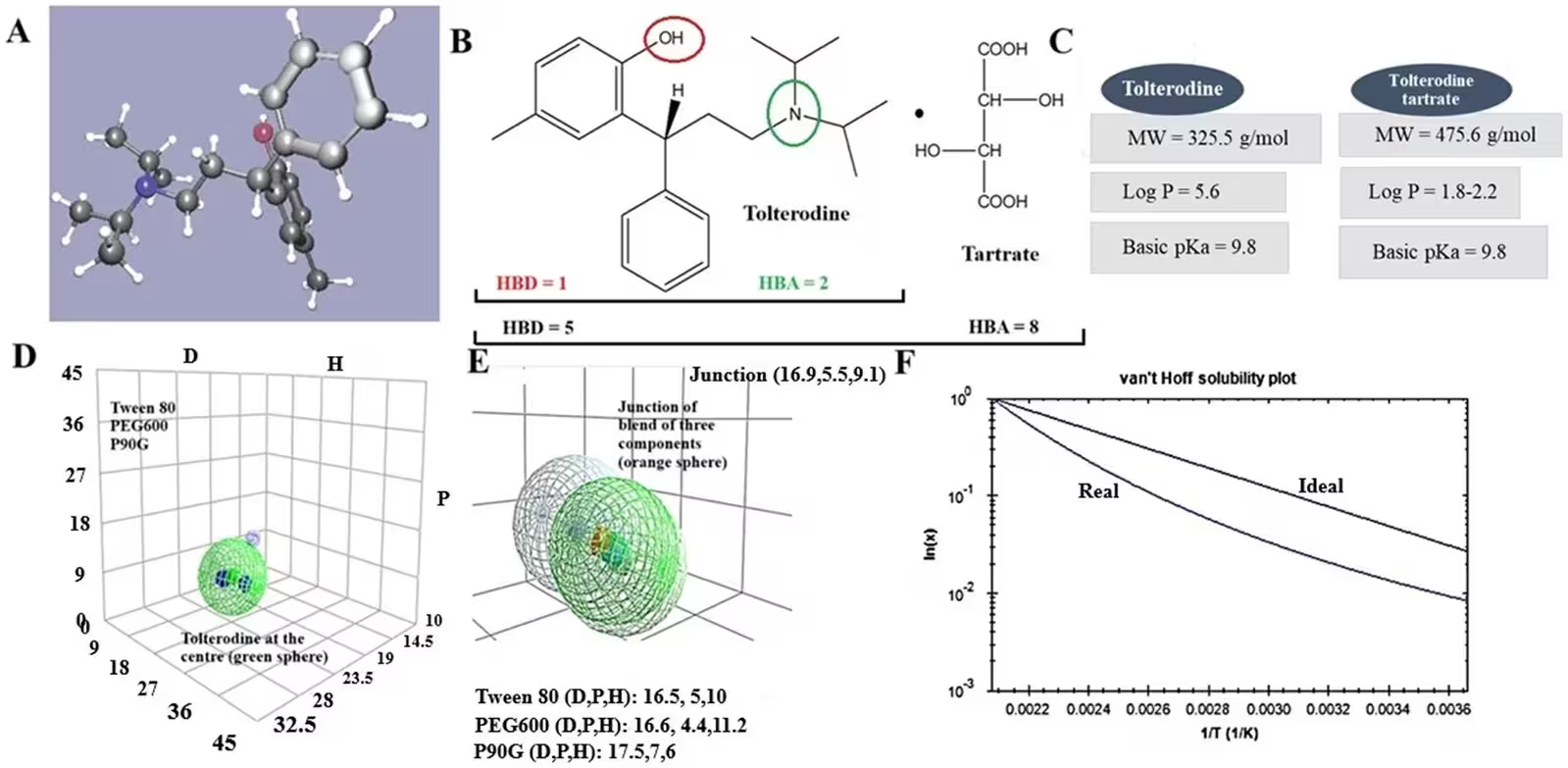
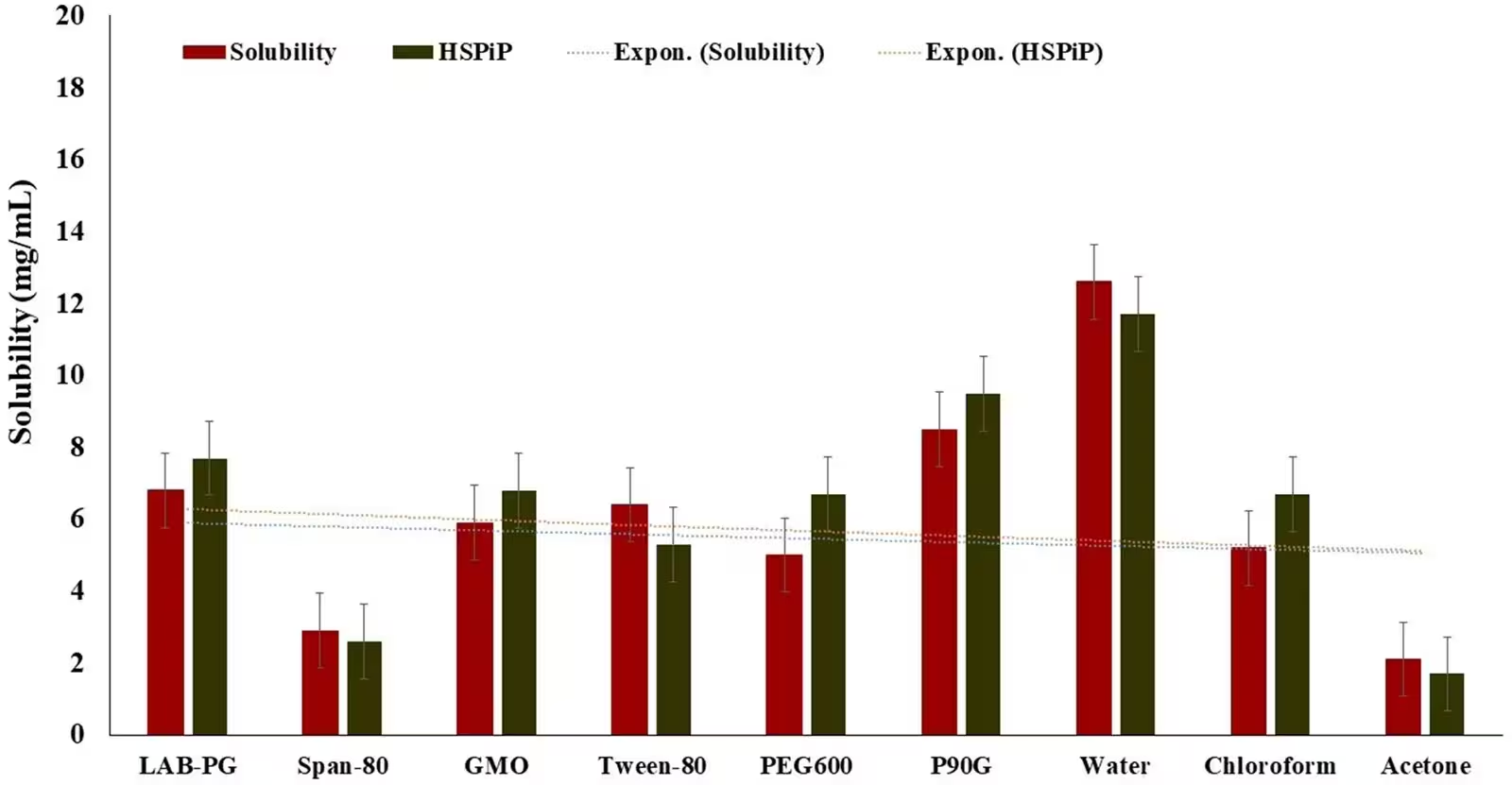
The development process relied on a three-stage hierarchical strategy to select the most effective ingredients and manufacturing parameters. First, the team used computer software to screen excipients, which are inactive substances formulated alongside the active pharmaceutical ingredient. By evaluating molecular interactions and solubility properties, the team identified glyceryl behenate, known as compritol 888 ATO, as the primary lipid matrix.
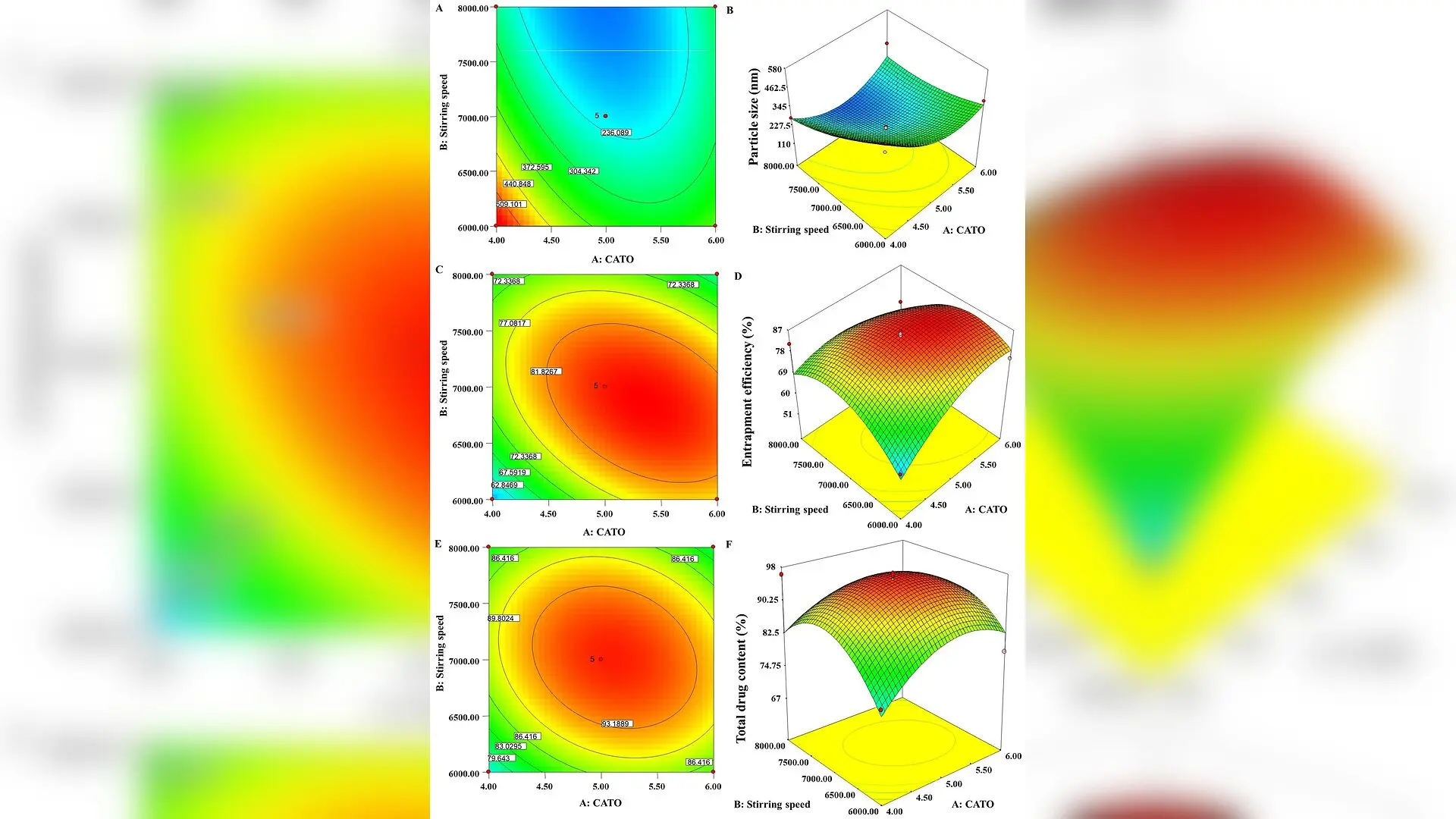
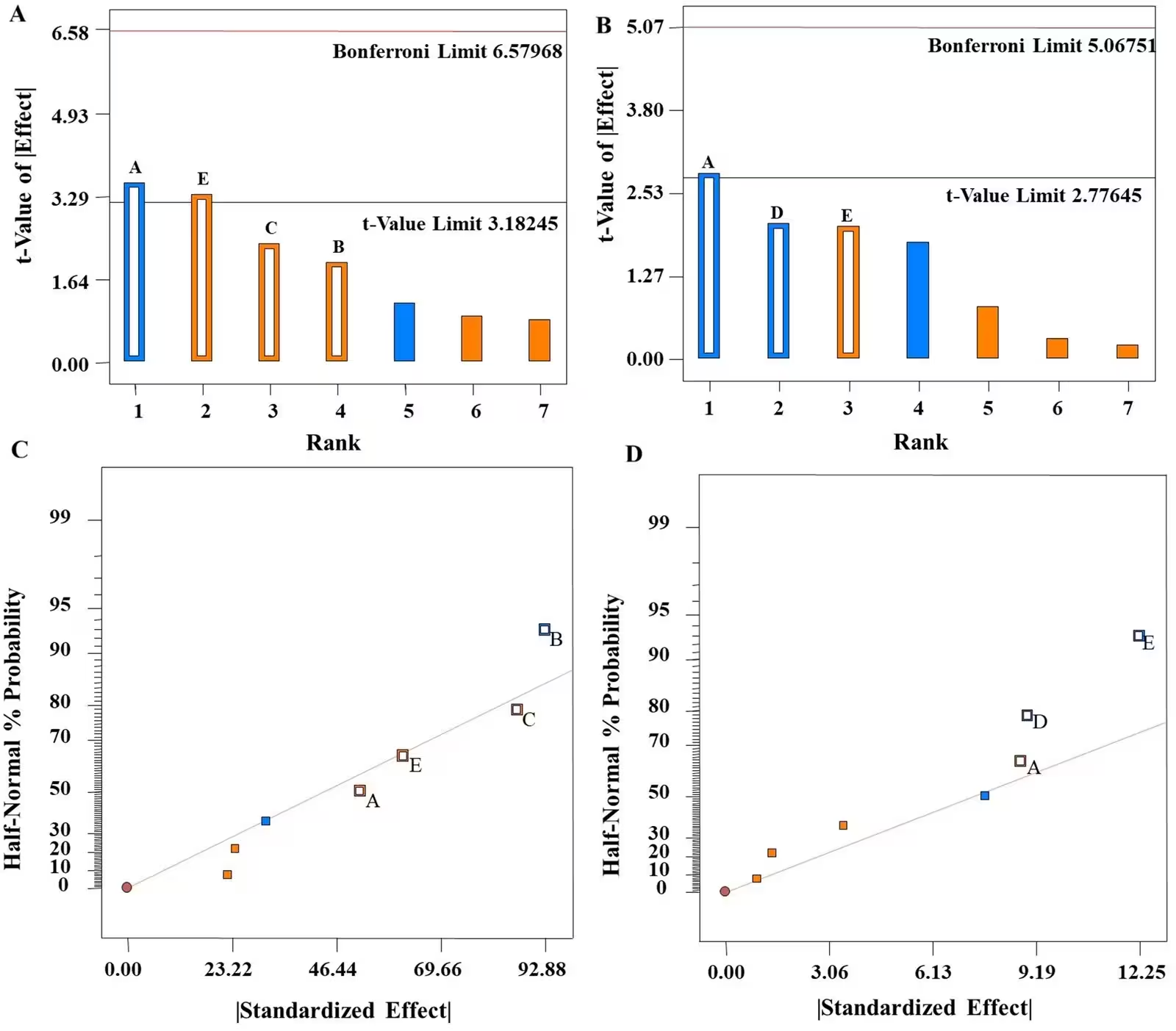
Next, the researchers applied a Taguchi experimental design to evaluate seven potential manufacturing variables. Statistical analysis revealed that the concentration of the solid lipid and the homogenization stirring speed exerted the greatest influence on nanoparticle quality. A central composite design then mapped out thirteen different test formulations to fine-tune particle dimensions and drug encapsulation efficiency.
What Were the Physical and Chemical Characteristics of the Optimal Formulation?
The optimized nanoparticle formulation, designated as TOTA-SLN6, yielded a mean particle diameter of approximately two hundred sixteen nanometers with a narrow polydispersity index of 0.29. Transmission electron microscopy confirmed that the particles possessed a smooth, spherical morphology without significant aggregation. The encapsulation efficiency reached eighty-six percent, while the total drug content was measured at ninety-seven percent.
Furthermore, the nanoparticles demonstrated a high negative surface charge with a zeta potential of negative twenty-two millivolts. This electrostatic repulsion prevents the nanoparticles from clumping together during storage. Differential scanning calorimetry confirmed that the active drug was successfully integrated into the amorphous lipid core rather than remaining as unattached crystalline powder on the surface.
How Did the Nanoparticles Perform in Simulated Biological Fluids?
In vitro release studies demonstrated that the solid lipid nanoparticles provided sustained drug delivery over a twenty-four-hour period. While an unformulated drug suspension released over ninety-eight percent of its payload within eight hours, the nanoparticle carrier slowed the release rate significantly. In simulated gastric fluid mimicking acidic stomach conditions, the nanoparticle formulation successfully protected the drug and limited initial burst release.
Hemocompatibility assays using rat red blood cells revealed that the optimized nanoparticle carrier caused less than twenty percent hemolysis across all tested concentrations up to two micrograms per milliliter. This low toxicity profile indicated minimal interaction with erythrocyte membranes compared to the raw drug suspension, which induced severe cell lysis.
What Did Animal Pharmacokinetics and Computer Simulations Reveal?
In vivo pharmacokinetic evaluations in Wistar rats demonstrated a dramatic improvement in systemic exposure following oral administration. The nanoparticle formulation increased the maximum plasma concentration by more than elevenfold and boosted the overall area under the curve by nearly eightfold compared to the standard drug suspension.
To estimate human translation, the team used GastroPlus simulation software running a regional compartmental absorption model. The simulation predicted that total drug absorption in humans would increase from sixty-eight percent for the conventional suspension to nearly eighty-one percent for the nanoparticle carrier. Furthermore, a fourteen-day repeated-dose oral toxicity assessment in rats showed no abnormal behavior, weight loss, or intestinal tissue damage, pointing to strong biocompatibility for future clinical translation.
The research was published in International journal of nanomedicine on November 18, 2026.
This article has been fact checked for accuracy, with information verified against reputable sources. Learn more about us and our editorial process.
Last reviewed on .
Article history
- Latest version
Reference(s)
- Hussain, Afzal., et al. “HSPiP-QbD Enabled Optimized Tolterodine Lipid Nanoparticles with GastroPlus-Based in vivo Prediction and in vivo Studies for Controlled Drug Delivery.” International Journal of Nanomedicine, vol. Volume 21, November 1, 2026, pp. 1-29. Informa UK Limited, doi: 10.2147/IJN.S632752. <https://doi.org/10.2147/IJN.S632752>.
Cite this page:
- Posted by Raj Joshi