Female-Headed Rural Households Face Greater Climate Vulnerability in Ethiopia
A new study reveals that women-led farming families in drought-prone northern Ethiopia suffer higher climate risks due to resource gaps rather than weather exposure.
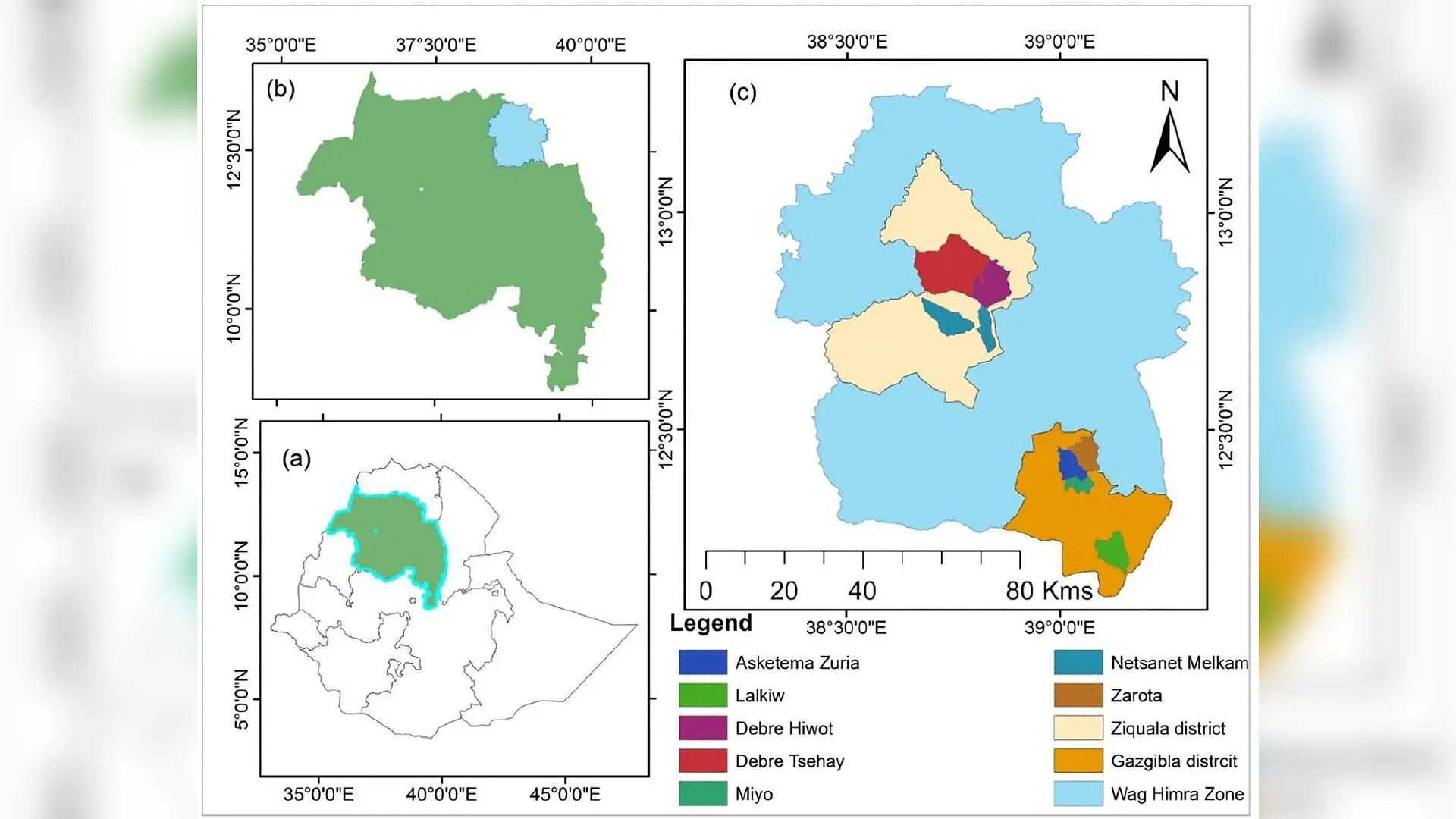
Rural households headed by women in drought-prone northern Ethiopia face significantly higher vulnerability to climate change than male-headed households, despite sharing the same environmental conditions. A detailed examination of climate shocks in the Gazgibla and Ziquala districts revealed that female-headed households endure greater livelihood risks driven by systemic disparities in resources, technology, and decision-making power rather than any difference in exposure to weather extremes. The research is published in PLOS Climate, shedding light on how gender inequality shapes climate resilience in agrarian communities.
How did researchers assess livelihood vulnerability across 396 rural households?
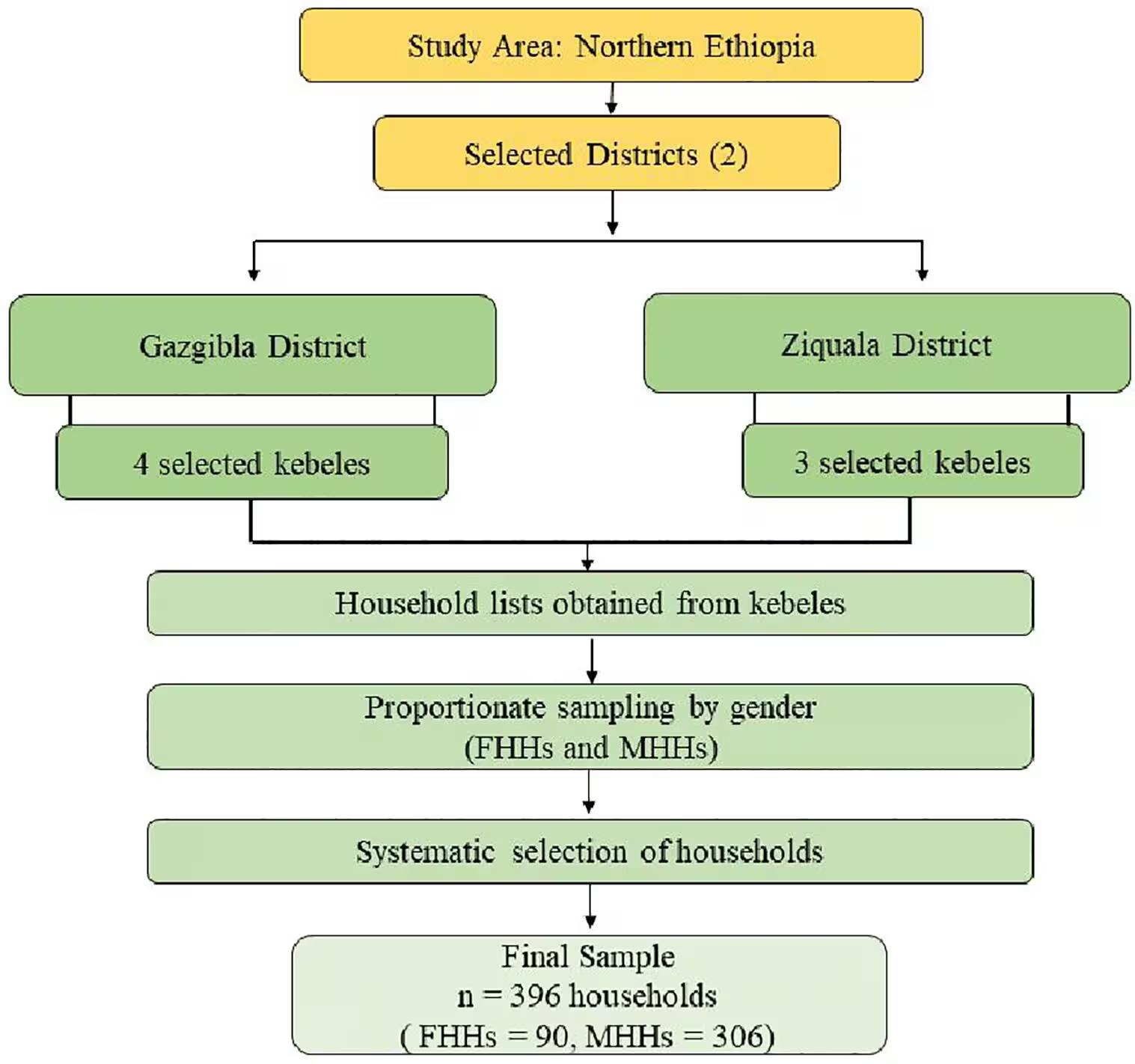
Fentahun Gebrie Mucha from Bahir Dar University and colleagues employed the Livelihood Vulnerability Index within the Intergovernmental Panel on Climate Change framework to evaluate the conditions of 396 rural households. The methodology integrates three core dimensions, which are exposure to climate hazards, sensitivity to stress, and adaptive capacity to cope with and recover from shocks. Data collection involved household surveys, key informant interviews, focus group discussions, and field observations across seven selected kebeles representing lowland, midland, and highland agroecological zones within the Wag Himra administrative zone.
The mountainous terrain of northern Ethiopia is historically drought-prone and ecologically fragile, leaving subsistence farmers heavily reliant on erratic rain-fed agriculture. Long-term climate data spanning from 1984 to 2023 show annual rainfall varying between 500 and 1,100 millimeters alongside rising temperatures reaching over 33 degrees Celsius. These shifting patterns drive soil erosion, declining agricultural yields, and chronic food insecurity across the region.
What factors make female-headed households more sensitive to climate shocks?
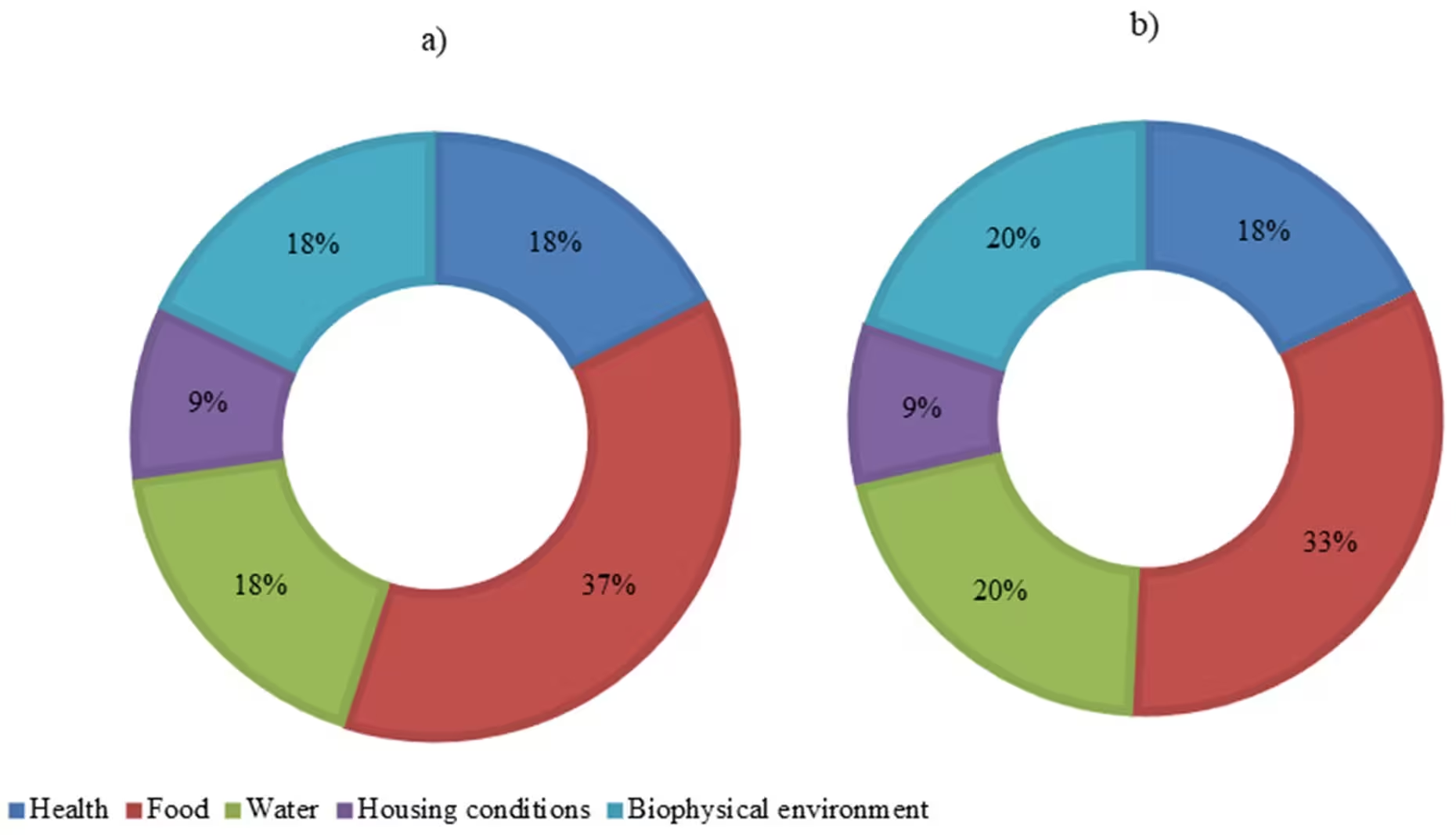
The overall vulnerability index reached 0.098 for female-headed households compared to 0.061 for male-headed households, establishing a statistically significant gender gap. While both groups experience similar levels of environmental exposure to droughts and erratic rainfall, female-headed households exhibit a higher sensitivity score of 0.550 against 0.507 for male-headed households. Food insecurity emerged as the single largest contributor to this sensitivity, accounting for 37 percent of the score among female-headed households.
Qualitative interviews highlighted that women managing households alone face severe hurdles in obtaining agricultural inputs, fertilizers, and improved seeds due to a lack of financial capital and credit access. Traditional gender roles also impose heavy domestic burdens, including unpaid care work and lengthy journeys to collect firewood and drinking water. These responsibilities consume time that could otherwise be directed toward income-generating activities or farm management.
Why does a massive gap in adaptive capacity persist between groups?
The most pronounced disparity between the two groups lies in adaptive capacity, where male-headed households scored 0.491 compared to 0.380 for female-headed households. Male-headed households demonstrated stronger scores across wealth and assets, agricultural technology adoption, and formal education levels. For instance, adoption rates for chemical fertilizers and irrigation tools remain heavily skewed toward male-headed households.
Furthermore, female-headed households encounter structural barriers when attempting to secure institutional credit or landholding certificates, which restricts their capacity to invest in climate-resilient farming practices. Although female-headed households often reside closer to towns and basic infrastructure, proximity alone fails to translate into higher adaptive capacity when financial and socioeconomic obstacles restrict access to institutional services.
What policy changes are recommended to protect vulnerable communities?
The authors emphasize that climate adaptation policies in developing regions must move beyond gender-neutral strategies and prioritize targeted interventions. Recommendations include introducing subsidized input programs for drought-tolerant crops, establishing group-guaranteed credit schemes tailored for women, and expanding small-scale irrigation and rainwater harvesting tools. Strengthening women-focused agricultural extension services and institutionalizing female participation in local decision-making bodies are viewed as vital steps toward long-term resilience.
The research was published in PLOS Climate on November 24, 2026.
This article has been fact checked for accuracy, with information verified against reputable sources. Learn more about us and our editorial process.
Last reviewed on .
Article history
- Latest version
Reference(s)
- Mucha, Fentahun Gebrie., et al. “Gender differentiated livelihood vulnerability to climate change and variability: Experience of rural households in northern Ethiopia.” PLOS Climate, vol. 5, no. 11, November 24, 2026, pp. e0001076 Public Library of Science (PLoS), doi: 10.1371/journal.pclm.0001076. <https://doi.org/10.1371/journal.pclm.0001076>.
Cite this page:
- Posted by William Moore