Adult Type 1 Diabetes Remission Is Predicted By Early Insulin Levels and Antibody Status
A multi-year study reveals why nearly sixty percent of adult patients experience a temporary honeymoon phase after diagnosis.
Nearly sixty percent of adult-onset type 1 diabetes patients experience a temporary honeymoon phase where insulin needs drop, but why this happens has remained largely mysterious until now.
A nationwide prospective study tracking 132 patients with acute-onset type 1 diabetes over an average of nearly six years reveals that sustained partial remission lasting three years or longer is strongly predicted by having functioning insulin-producing cells early on and mild metabolic stress at diagnosis. Eiji Kawasaki from Shin-Koga Hospital and colleagues evaluated clinical markers annually through the Japanese Type 1 Diabetes Database Study, published in the Journal of Diabetes Investigation, to uncover which biological factors allow some adults to maintain natural insulin production long after diagnosis.
How Many Adult Patients Enter a Honeymoon Phase After Diagnosis?
The research team followed 132 individuals with acute-onset type 1 diabetes, an autoimmune condition where the body mistakenly destroys pancreatic beta cells that make insulin. Among these participants, 78 individuals, or about 59 percent, achieved partial remission during the follow-up period. On average, these patients reached remission about 1.9 years after diagnosis, and this temporary reprieve lasted an average of 3.8 years.
To understand what drives long-term success, the authors divided the participants into three distinct categories: 54 patients who experienced no remission at all, 45 patients who maintained remission for at least three years, and 24 patients whose remission ended in less than three years. Patients who achieved long-term remission displayed significantly lower blood sugar control scores, lower daily insulin requirements, and higher fasting levels of C-peptide, a protein fragment released into the blood when the pancreas produces insulin.
What Biological Markers Predict Long-Term Remission Success?
Using multivariate statistical models, the investigators identified several key predictors that increase the likelihood of maintaining partial remission for three years or more compared to having no remission. The absence of severe diabetic ketoacidosis, a dangerous metabolic complication caused by extremely high blood sugar and acid buildup, nearly doubled the odds of long-term remission. Higher fasting C-peptide levels of at least 0.6 nanograms per milliliter and lower insulin requirements of less than 0.5 units per kilogram daily at enrollment also significantly boosted the chances of sustained beta cell function.
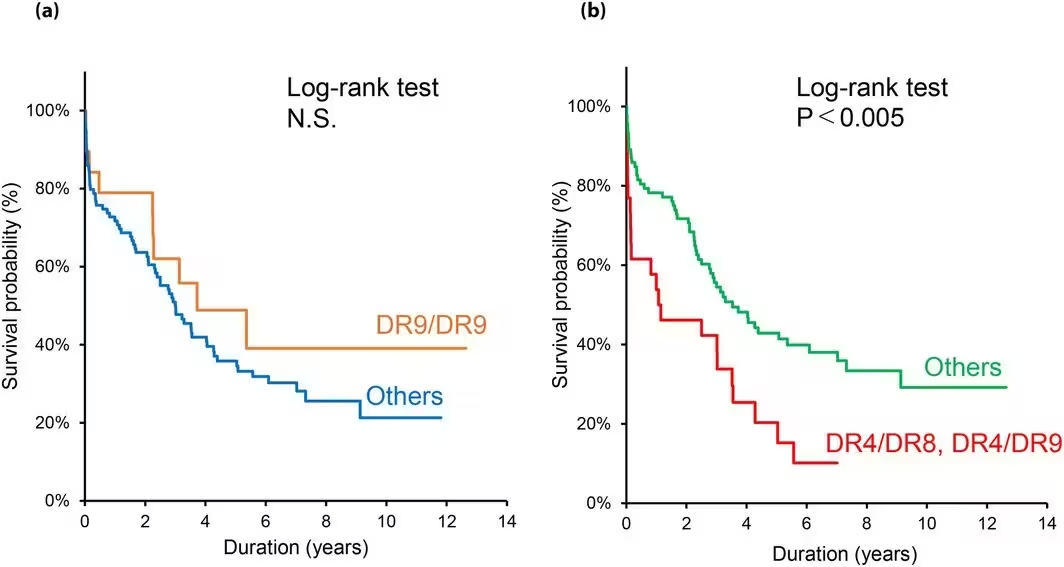
Furthermore, immunological profiles played a crucial role in predicting outcomes. Patients who tested positive for only a single type of antibody against glutamic acid decarboxylase, an enzyme found inside insulin-producing cells, were significantly more likely to experience long-term remission. In contrast, patients carrying specific high-risk human leukocyte antigen genetic variants, specifically the DR4/DR8 or DR4/DR9 genotypes, were significantly less likely to achieve partial remission in the first place, pointing to an underlying genetic barrier against recovery.
What Do These Findings Mean for Future Diabetes Treatments?
The authors note several limitations in their work, including a relatively small sample size drawn exclusively from a Japanese population and the use of a remission scoring system originally validated primarily in children and adolescents. Because data was collected annually rather than continuously, some short-term fluctuations in patient status might have escaped notice.
Despite these caveats, the findings provide valuable insight for designing future clinical trials aimed at preserving pancreatic function. By identifying patients with preserved beta cell reserves and specific antibody profiles early in the disease course, physicians may soon be able to select ideal candidates for targeted therapies designed to prolong the honeymoon period and improve long-term health outcomes.
The research was published in Journal of diabetes investigation on November 22, 2026.
This article has been fact checked for accuracy, with information verified against reputable sources. Learn more about us and our editorial process.
Last reviewed on .
Article history
- Latest version
Reference(s)
- Kawasaki, Eiji., et al. “Predictors of sustained partial remission in acute‐onset type 1 diabetes: Prospective longitudinal study in Japanese type 1 diabetes (
TIDE ‐J).” Journal of Diabetes Investigation, November 22, 2026 Wiley, doi: 10.1111/jdi.70493. <https://doi.org/10.1111/jdi.70493>.
Cite this page:
- Posted by Raj Joshi