Can Modern Targeted Skin Drugs Achieve True Disease Modification
A comprehensive review of seven chronic inflammatory skin diseases reveals that while biologic therapies offer exceptional symptom control, true disease modification remains exceptionally rare.
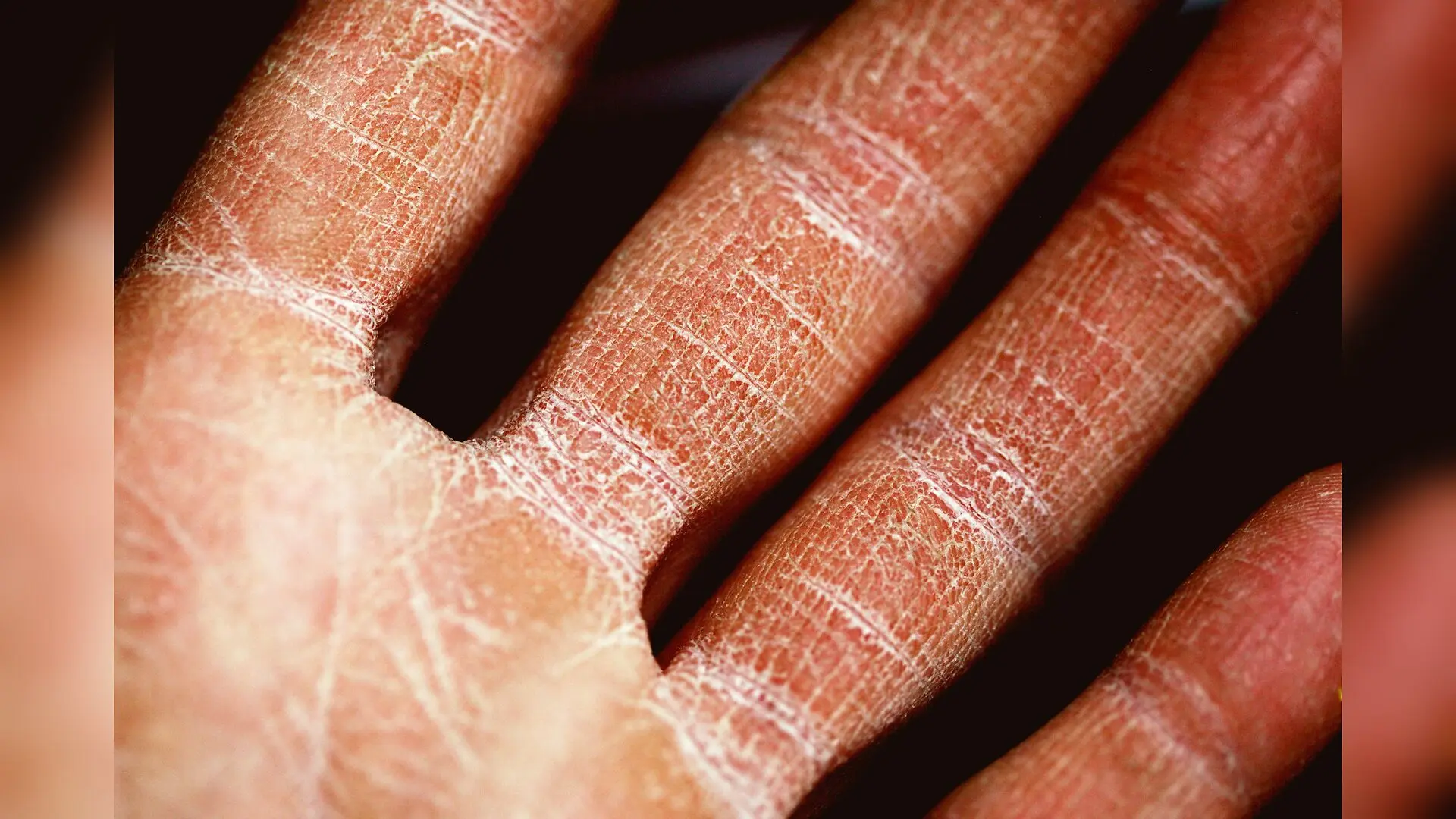
Skin specialist Andrea Marani from Infermi Hospital in Italy and colleagues have evaluated seven major chronic immune-mediated inflammatory skin diseases, including psoriasis and atopic dermatitis, to determine whether modern targeted treatments can fundamentally alter the long-term course of disease rather than just clear symptoms temporarily.
Traditional dermatology has relied on a control-and-clear model, suppressing flare-ups as they appear without changing the underlying disease trajectory. In recent years, however, researchers have proposed shifting toward disease modification, a concept borrowed from rheumatology where therapies aim to halt progression and achieve lasting remission.
To assess where medicine currently stands, the review, published in the Journal of Inflammation Research, evaluated seven distinct conditions: atopic dermatitis, vitiligo, hidradenitis suppurativa, alopecia areata, autoimmune bullous diseases, chronic spontaneous urticaria, and psoriasis. The authors analyzed whether current drugs can prevent permanent damage, modify disease-driving biology, or induce treatment-free remission.
Which skin conditions suffer permanent structural damage?
The researchers divided the evaluated conditions into two distinct groups depending on whether chronic inflammation causes irreversible structural harm. Conditions like hidradenitis suppurativa, a painful inflammatory skin condition causing recurrent nodules and scarring, accumulate permanent tissue damage such as dermal tunnels and fibrosis. In these cases, disease modification primarily focuses on preventing cumulative injury through early and sustained inflammatory control.
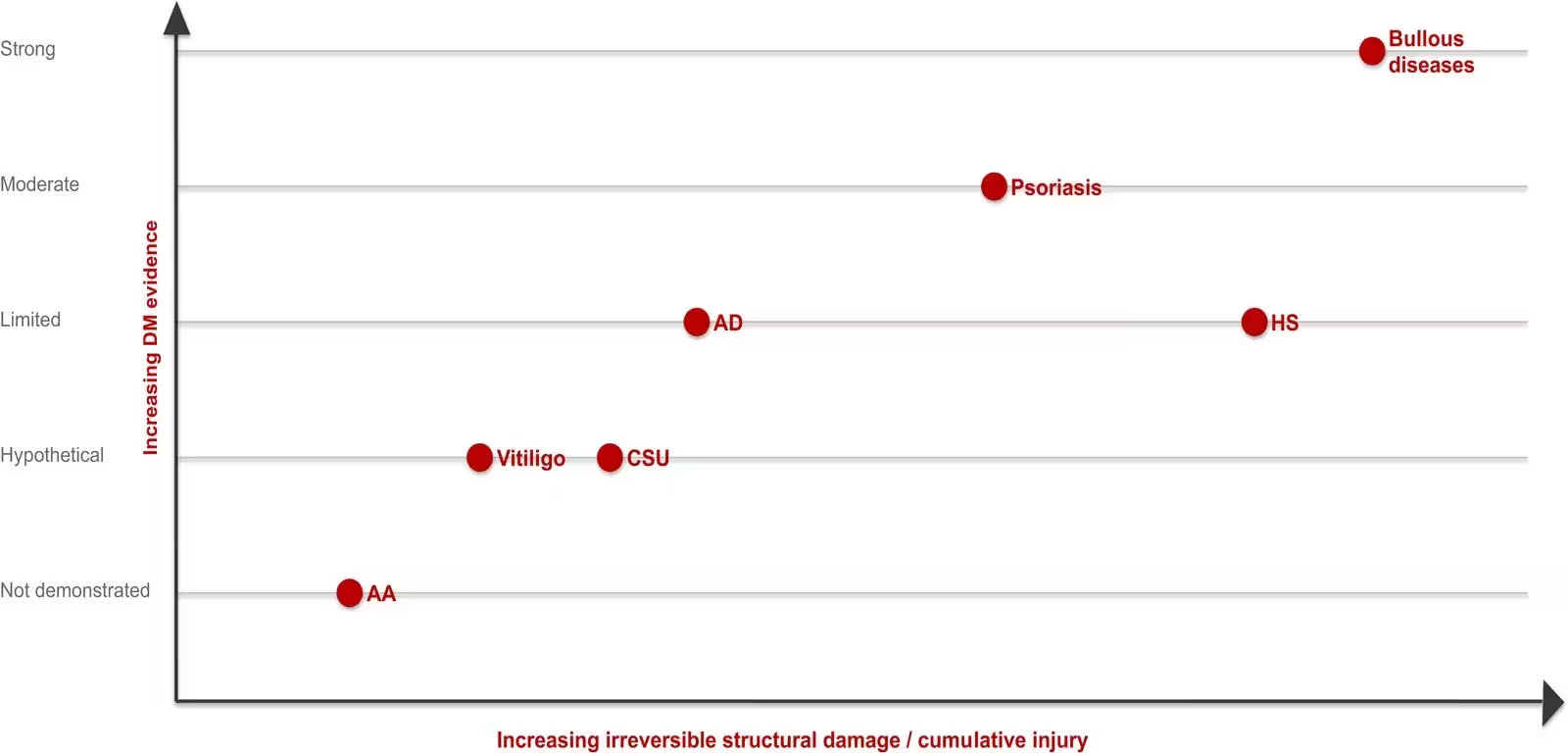
By contrast, conditions without permanent structural damage, such as atopic dermatitis and alopecia areata, are evaluated based on their ability to achieve sustained treatment-free remission and restore immune homeostasis. Across all seven conditions, the authors found that most advanced therapies excel at disease control while patients take the medication, but true disease modification remains rare.
What did researchers discover about current biologic therapies?
Among all evaluated diseases, autoimmune blistering conditions showed the clearest example of disease modification through a specific treatment. In pemphigus vulgaris, a severe blistering disorder caused by rogue immune proteins attacking skin junctions, the anti-CD20 monoclonal antibody rituximab combined with short-term corticosteroids successfully induced durable treatment-free remission and lasting immune remodeling.
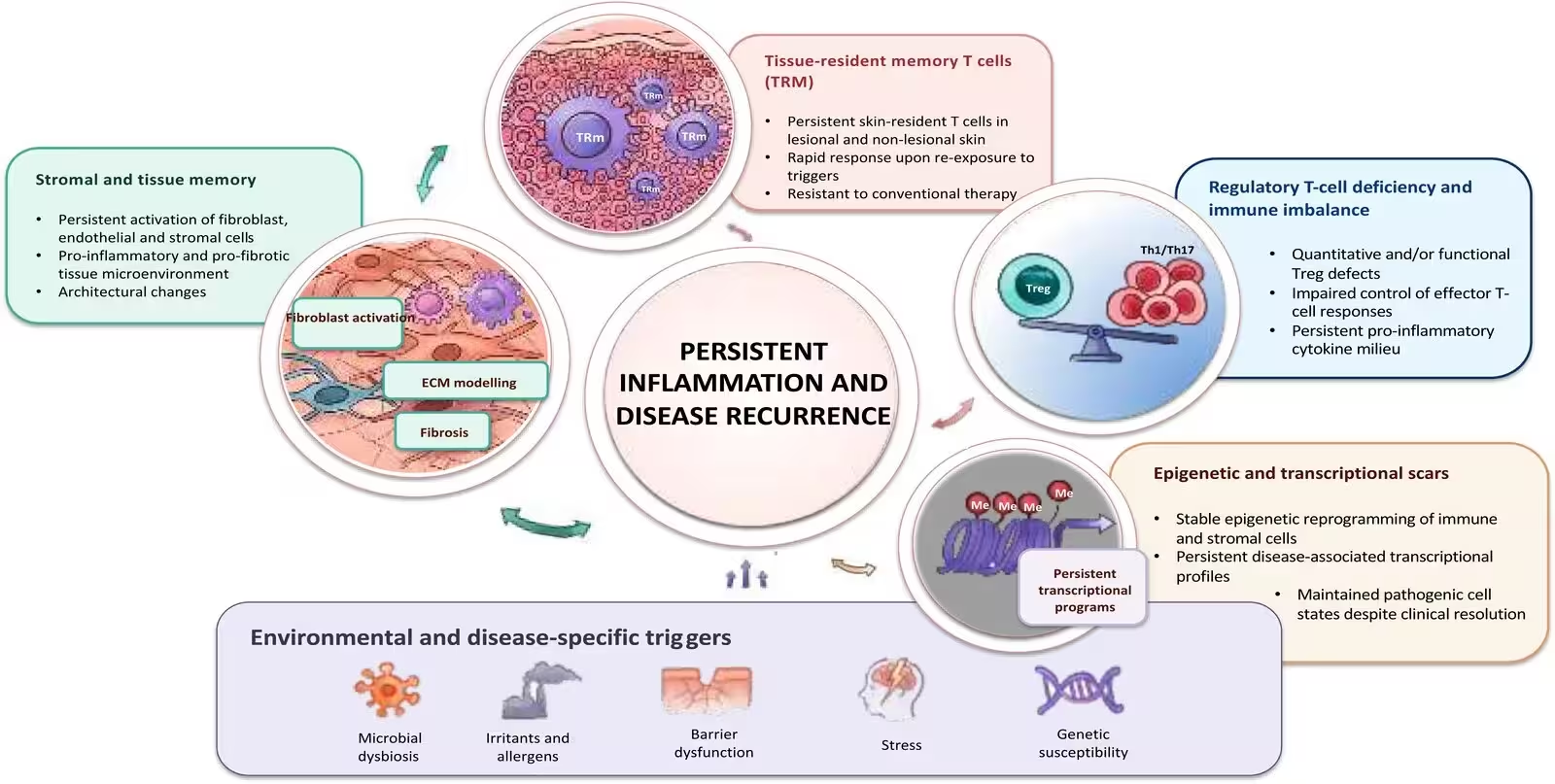
For plaque psoriasis, selective interleukin-23p19 inhibitors like guselkumab and risankizumab represent the most advanced model. These targeted therapies achieve high rates of clear skin and deeply modulate tissue-resident memory T cells, which are specialized immune cells that stay behind in healed skin and drive future flare-ups. However, even with these advanced biological treatments, most patients still experience a return of symptoms after stopping therapy, indicating that underlying inflammatory memory persists.
What biological barriers prevent permanent cures?
The review highlights several persistent hurdles that prevent modern drugs from achieving permanent disease modification. Even when skin appears clinically healed, microscopic examinations reveal lingering molecular scars, epigenetic alterations, and tissue-resident memory T cells that rapidly reactivate inflammation when treatment stops.
Furthermore, the popular hypothesis proposing a therapeutic window of opportunity, suggesting that very early treatment might permanently alter disease evolution, remains unproven because clinical trials have not directly randomized patients to early versus delayed intervention. The authors concluded that while modern targeted therapies have transformed disease management, rigorous clinical trials incorporating treatment-withdrawal phases and biomarker tracking will be essential to prove true disease modification in dermatology.
The research was published in Journal of inflammation research on November 17, 2026.
This article has been fact checked for accuracy, with information verified against reputable sources. Learn more about us and our editorial process.
Last reviewed on .
Article history
- Latest version
Reference(s)
- Marani, Andrea., et al. “Where are We Regarding Disease Modification in Cutaneous IMIDs?.” Journal of Inflammation Research, vol. Volume 19, November 1, 2026, pp. 1-40. Informa UK Limited, doi: 10.2147/JIR.S540837. <https://doi.org/10.2147/JIR.S540837>.
Cite this page:
- Posted by William Moore