Municipal Solid Waste Converted Into Water Filtering Carbon That Removes Eighty Four Percent of Toxic Pollutants
Chemical activation of urban refuse hydrochar creates a microporous structure capable of capturing hazardous industrial chemicals from contaminated water.
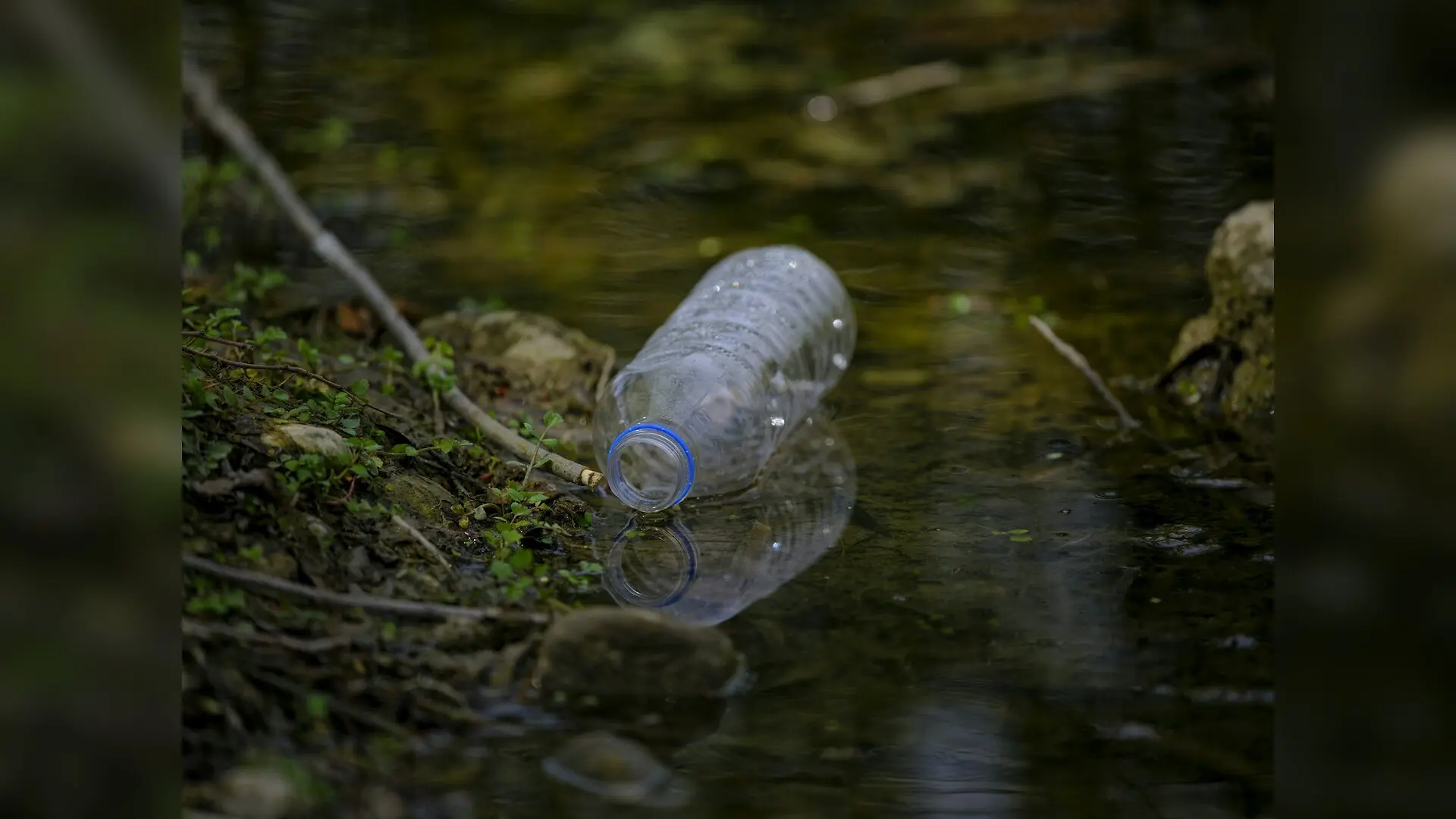
Municipal solid waste can be successfully converted into a high-performance filtering material that removes up to eighty-four percent of toxic industrial pollutants from water. Researchers evaluated a sustainable method to transform discarded urban refuse into porous carbon particles capable of capturing hazardous chemicals.
How Can Urban Waste Clean Contaminated Water?
The global demand for activated carbon, an industrial material widely prized for cleaning air and water, has traditionally relied on coal mining and fossil fuel resources. To address environmental concerns, researchers are increasingly investigating biomass and municipal garbage as alternative carbon precursors. In this study, the team focused on the under-sieve fraction of mechanically treated municipal solid waste, which consists largely of paper, wood, and plastic fragments that would otherwise end up in landfills or incinerators.
Converting this heterogeneous solid waste requires an energy-efficient thermal technique known as hydrothermal carbonization, where feedstock is heated in water under mild subcritical pressure to create an intermediate solid called hydrochar. The team then chemically activated this hydrochar using potassium hydroxide pellets under a nitrogen atmosphere. The detailed experimental procedures and analytical findings were published in ACS Omega by lead author E. Stefanelli and colleagues from the University of Florence.
What Are the Optimal Conditions for Maximum Pollutant Removal?
The efficiency of the resulting activated hydrochar depends heavily on preparation parameters such as the activation temperature and the mass ratio between potassium hydroxide and the hydrochar. Using a statistical modeling approach called response surface methodology, the investigators tested temperatures ranging from five hundred to seven hundred degrees Celsius alongside impregnation ratios between zero point five and one point five. Scanning electron microscopy revealed that mild activation leaves the material too compact with limited porosity, whereas excessive severity leads to structural collapse and pore widening.
The material prepared at six hundred degrees Celsius with a potassium hydroxide to hydrochar ratio of one point zero developed an ideal narrow micropore network. This specific carbon structure yielded a total specific surface area of four hundred forty square meters per gram. When tested against toxic organic compounds known as BTEX, which include benzene, toluene, ethylbenzene, and xylene isomers, this optimized sample achieved a total removal efficiency of eighty-four percent from contaminated water over a forty-eight hour test period.
Why Does This Waste-Derived Sorbent Target BTEX Compounds?
BTEX compounds are hazardous industrial chemicals with low water solubility that originate from petroleum leakage, fuel spills, and chemical manufacturing. Exposure to these volatile organic pollutants poses serious risks to human health, affecting both the central nervous system and respiratory functions. Strict regulatory frameworks mandate rigorous monitoring because these contaminants frequently infiltrate surface waters and groundwater supplies used for drinking water.
The experiments demonstrated a clear adsorption hierarchy, where xylene showed the highest removal rate at over ninety-seven percent, followed by ethylbenzene, toluene, and benzene. This trend occurs because more hydrophobic and larger molecules possess a stronger affinity for carbon surfaces due to enhanced intermolecular forces. Furthermore, the activation process leaves behind essential surface functional groups, including hydroxyl and carboxyl groups, which actively bind with organic pollutants.
What Challenges Remain Before Industrial Implementation?
While the waste-derived carbon material exhibits excellent adsorption capacities, certain practical limitations must be addressed before commercial deployment. The analysis showed that ash content in the activated samples is relatively high, ranging from seventy to eighty-three percent, due to mineral residues present in the original urban waste stream. This high mineral content can increase particle density and potentially influence mechanical stability during repeated industrial cycles. Future research will investigate the mechanical strength and attrition behavior of these carbon sorbents to ensure they perform reliably in continuous-flow water treatment systems.
The research was published in ACS omega on November 22, 2026.
This article has been fact checked for accuracy, with information verified against reputable sources. Learn more about us and our editorial process.
Last reviewed on .
Article history
- Latest version
Cite this page:
- Posted by William Moore