Informal Settlement Warming Faster Than Surrounding City Over Five Decades
Nighttime temperatures are climbing rapidly in a Johannesburg informal settlement, compounding climate risks for vulnerable residents.
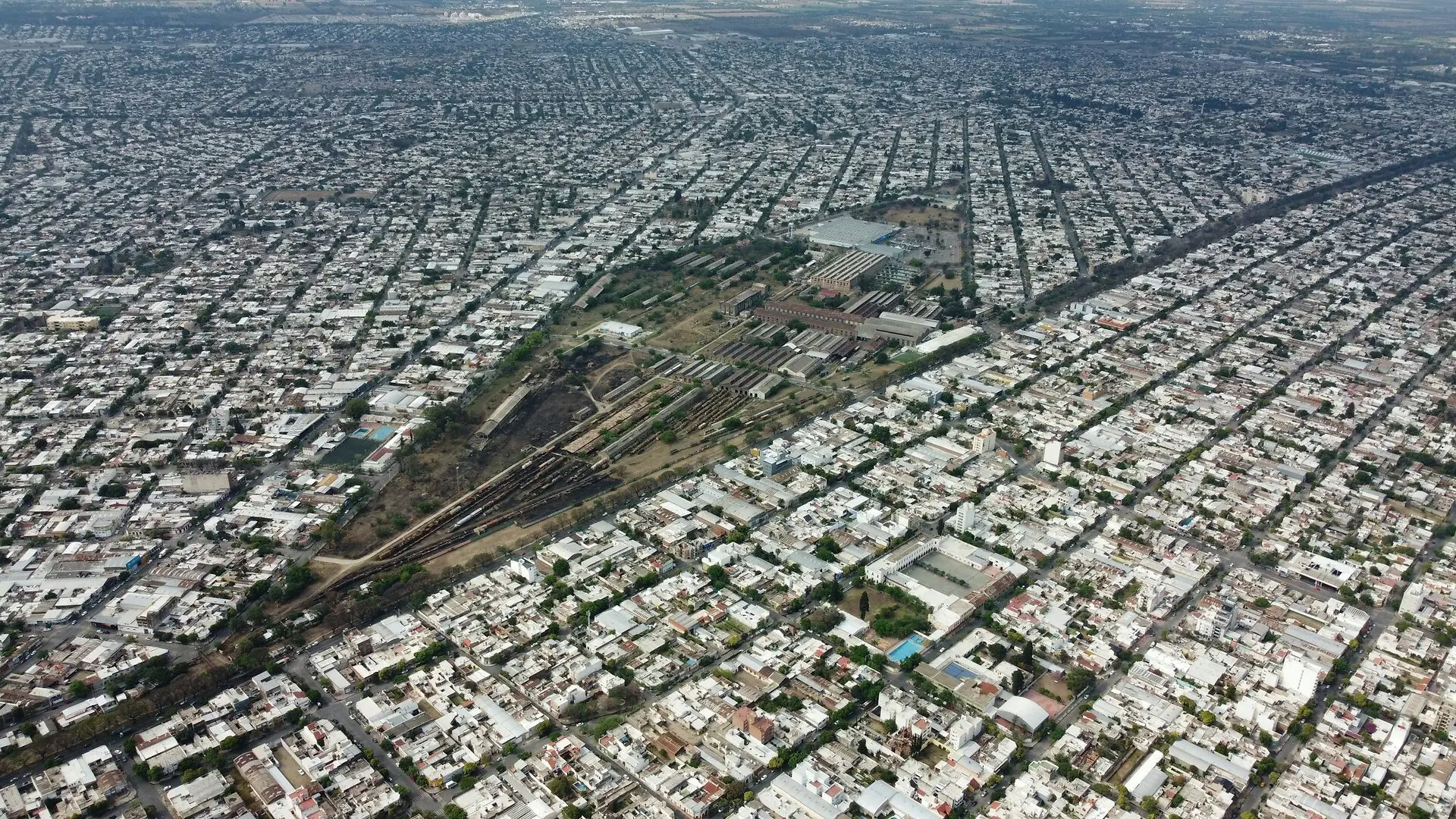
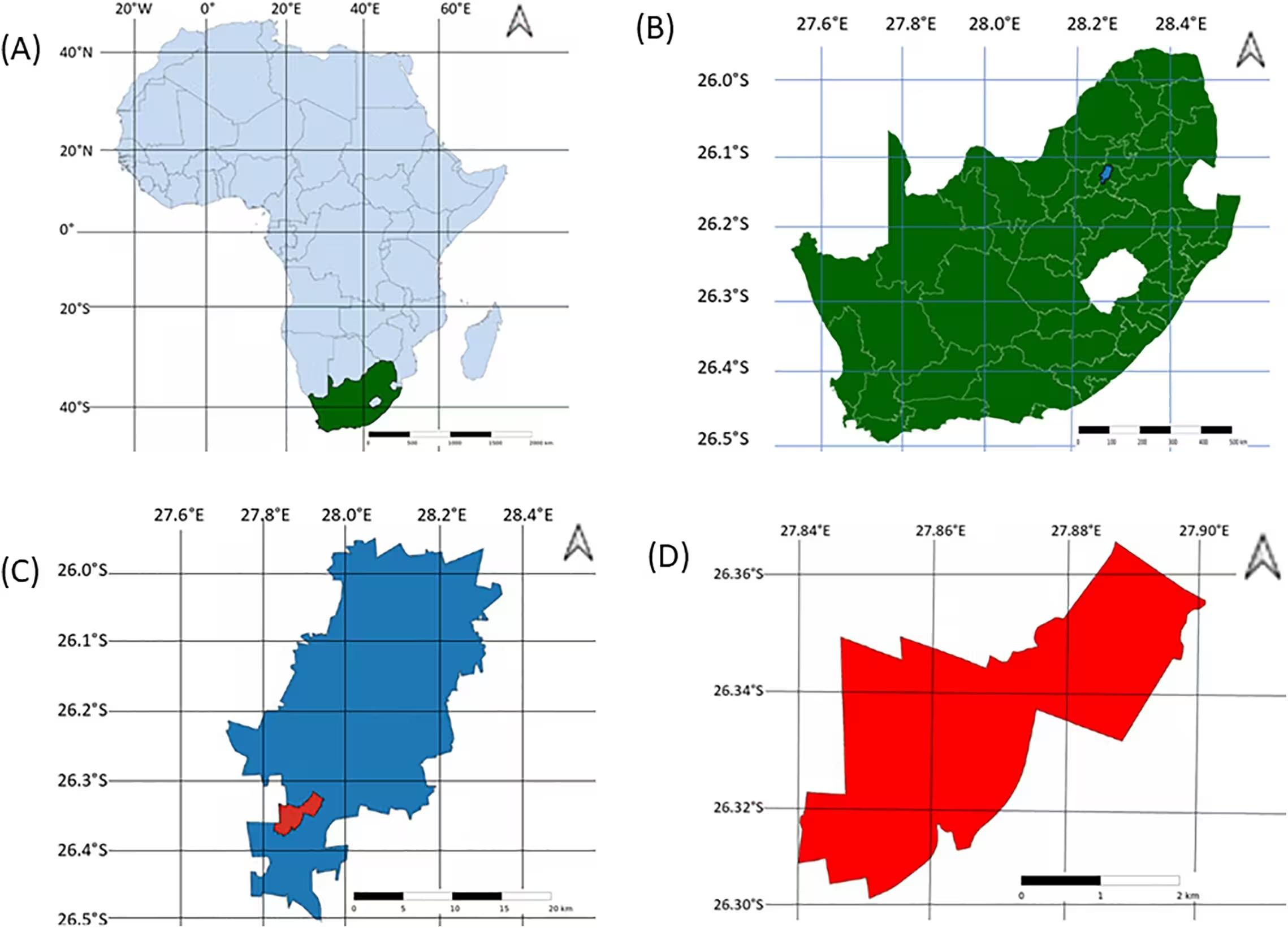
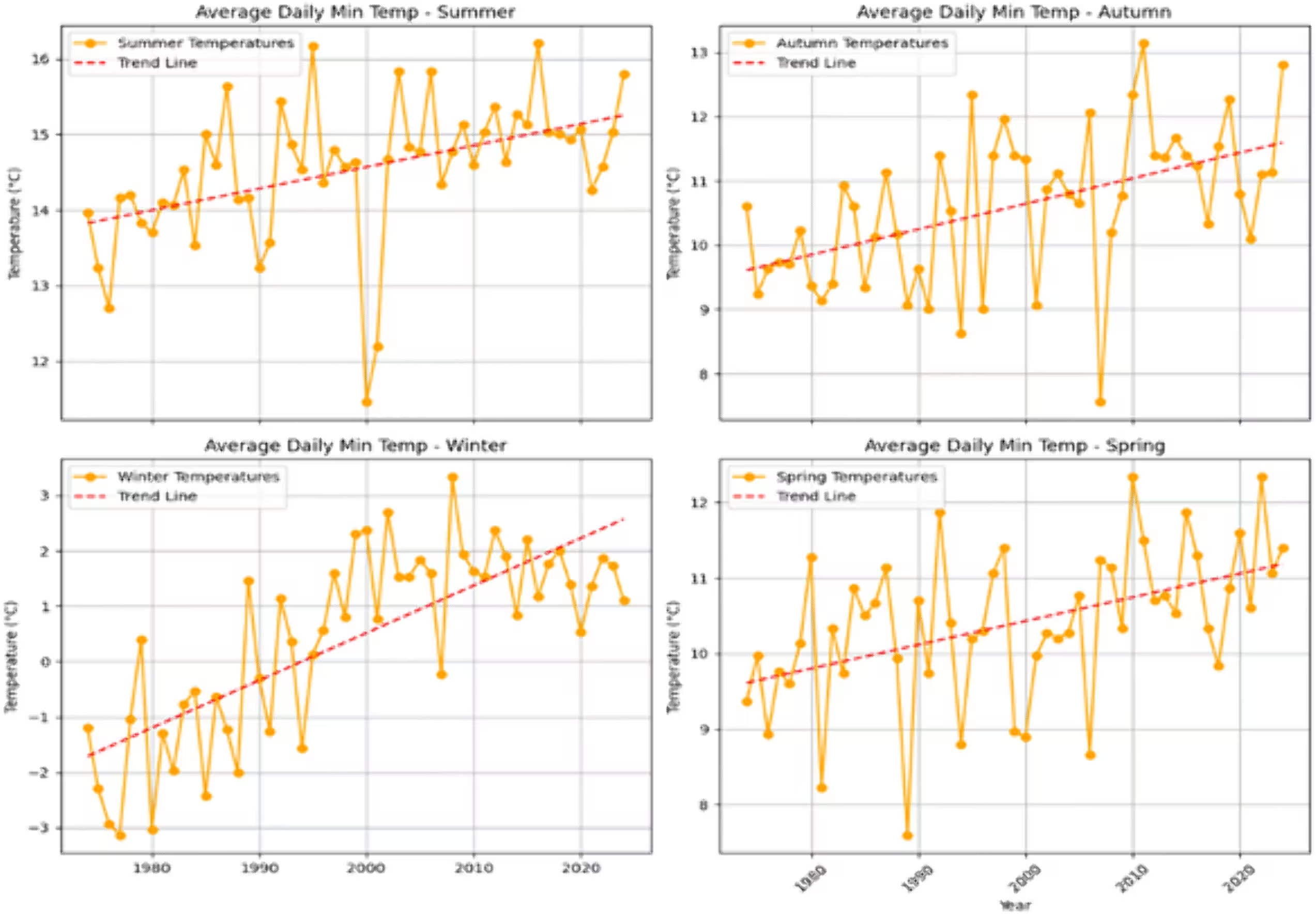
Residents of Thembelihle, a densely populated informal settlement in Johannesburg, are facing a sharp and steady climb in local temperatures that far outpaces historical baselines. Over a five-decade observation period from 1974 to 2024, daily minimum temperatures in the settlement rose at a rate of 0.0505 degrees Celsius per year, while maximum temperatures increased by 0.0391 degrees Celsius annually. These findings highlight a growing environmental health challenge for the roughly 35,000 residents living across the 19-square-kilometre area, where inadequate housing and limited infrastructure amplify thermal stress.
To understand how these microclimates fit into broader regional patterns, researchers examined long-term weather records alongside metropolitan datasets. The analysis was published in PLOS Climate, detailing the application of robust statistical tools such as the non-parametric Mann-Kendall test and Sen’s slope estimation to detect monotonic trends in temperature and precipitation. By aggregating annual time series and adjusting for serial autocorrelation, the research team confirmed that the warming signals are statistically significant and robust against seasonal fluctuations.
Decoding Five Decades of Regional Weather Shifts
The study evaluated daily weather records from the South African Weather Services station at Zuurbekom, alongside satellite and reanalysis data covering the wider Johannesburg metropolitan area. While average daily maximum temperatures in Thembelihle showed a strong upward trajectory, the analysis revealed that nighttime temperatures are rising even faster than daytime highs. Seasonal breakdowns further showed that winter nights are warming at a striking rate of 0.0857 degrees Celsius per year, whereas spring days experience the fastest daytime warming at 0.0593 degrees Celsius annually.
Rainfall data told a more complex story of high year-to-year variability rather than a simple long-term decline. Thembelihle recorded a mean annual rainfall of 636.35 millimetres, which sits below the broader Johannesburg average of 704.78 millimetres and exhibits significantly higher standard deviation. While overall total annual precipitation showed no statistically significant linear trend, specific rainfall indices across the metropolitan region pointed toward intensifying extremes, including a significant increase in the highest number of consecutive dry days and heavier single-day downpours.
Why Informal Settlements Face Heightened Climatic Pressures
The combination of persistent warming and erratic rainfall creates compounding risks for urban informal settlements. Thembelihle features high population densities, informal dwellings with poor thermal insulation, and restricted access to reliable water and sanitation networks. These physical and socio-economic constraints limit the community’s adaptive capacity, leaving residents acutely exposed to heatwaves, drought conditions, and the potential spread of waterborne illnesses during heavy downpours.
Furthermore, the data identified severe drought years, such as 1984, 1999, 2003, and 2005, where annual rainfall dropped below 384.14 millimetres. Many of these severe dry spells coincided with large-scale climatic drivers like the El Niño-Southern Oscillation, which historically suppresses summer precipitation across southern Africa. The study notes that Thembelihle experienced nine localized drought years where the wider Johannesburg area did not record similar deficits, pointing to microclimatic or topographic factors that increase local vulnerability.
What Comes Next for Urban Resilience Planning
The authors emphasize that addressing these escalating climate risks requires a dual adaptation framework. At the regional level, municipal authorities must coordinate water resource management to account for shifting spatial rainfall gradients, which generally display wetter conditions in the east and north and drier patterns in the south. At the local scale, targeted interventions are urgently needed within informal settlements.
Recommended resilience measures include upgrading thermal performance in dwellings, introducing passive cooling and shaded communal spaces, expanding safe water access, and improving stormwater drainage to prevent pooling. By bridging citywide climate strategies with community-specific action, policymakers can better safeguard vulnerable urban populations against the compounding threats of rising temperatures and erratic precipitation.
The research was published in PLOS Climate on November 20, 2026.
This article has been fact checked for accuracy, with information verified against reputable sources. Learn more about us and our editorial process.
Last reviewed on .
Article history
- Latest version
Reference(s)
- Matamanda, Sailas Hussein., et al. “Urban climate dynamics in informal settlements: Spatiotemporal rainfall and temperature variability in Thembelihle, Johannesburg.” PLOS Climate, vol. 5, no. 11, November 20, 2026, pp. e0000871 Public Library of Science (PLoS), doi: 10.1371/journal.pclm.0000871. <https://doi.org/10.1371/journal.pclm.0000871>.
Cite this page:
- Posted by William Moore