How Australian Media Frames a Core Chinese Diplomatic Slogan
A decade-long analysis of news reports reveals how geopolitical tensions and translation shifts shaped the reception of a major political concept.
A decade-long analysis of Australian mainstream news reporting reveals that media coverage of China’s core diplomatic slogan has grown substantially, shaped by geopolitical friction and shifting translation choices. The concept known in official translations as a community with a shared future has increasingly appeared in Australian newspapers between 2013 and 2023, according to a recent empirical investigation.
The study, published in PLOS One, examined a specialized corpus of 207 news reports comprising 277,834 tokens retrieved from the Factiva database. Researchers Yuxin Zhou and Xiaoqian Li tracked diachronic frequency, lexical variants, thematic focus, and media stance across publications such as The Australian, The Sydney Morning Herald, and The Age.
Tracing a Decade of Fluctuating Coverage
Media attention surrounding the Chinese diplomatic vision displayed significant volatility over the ten-year period, culminating in a peak of 48 articles in 2021. Initial reporting between 2013 and 2016 remained sparse following the concept’s introduction by Chinese leadership in late 2012. Moderate increases occurred in 2015 during major international forums, while a sharp spike coincided with the COVID-19 pandemic years of 2020 and 2021 as global interdependence became a central topic of public discourse.
The authors note that although reporting volumes moderated after 2022, coverage maintained a robust baseline of more than 15 articles annually. This sustained presence indicates that the diplomatic concept moved beyond an initial phase of novelty to become a recurring reference point in Australian media discussions about international affairs.
Translation Shifts and Terminological Evolution
The analysis identified more than ten distinct English translational variants used across the media landscape. Initially, Australian reports frequently employed the phrase community of common destiny. However, researchers observed that the term destiny often carries fatalistic or theological connotations in English that do not align with the proactive, development-oriented ethos of the Chinese vision.
Following an official transition in terminology, Australian media gradually adopted community with a shared future, which accounted for 56.7 percent of total instances in the corpus. The shift from the preposition of to with also signaled a transition from passive attribution to active engagement in lexical choices, though terminological fragmentation persisted for several years.
Thematic Focus and Editorial Stances
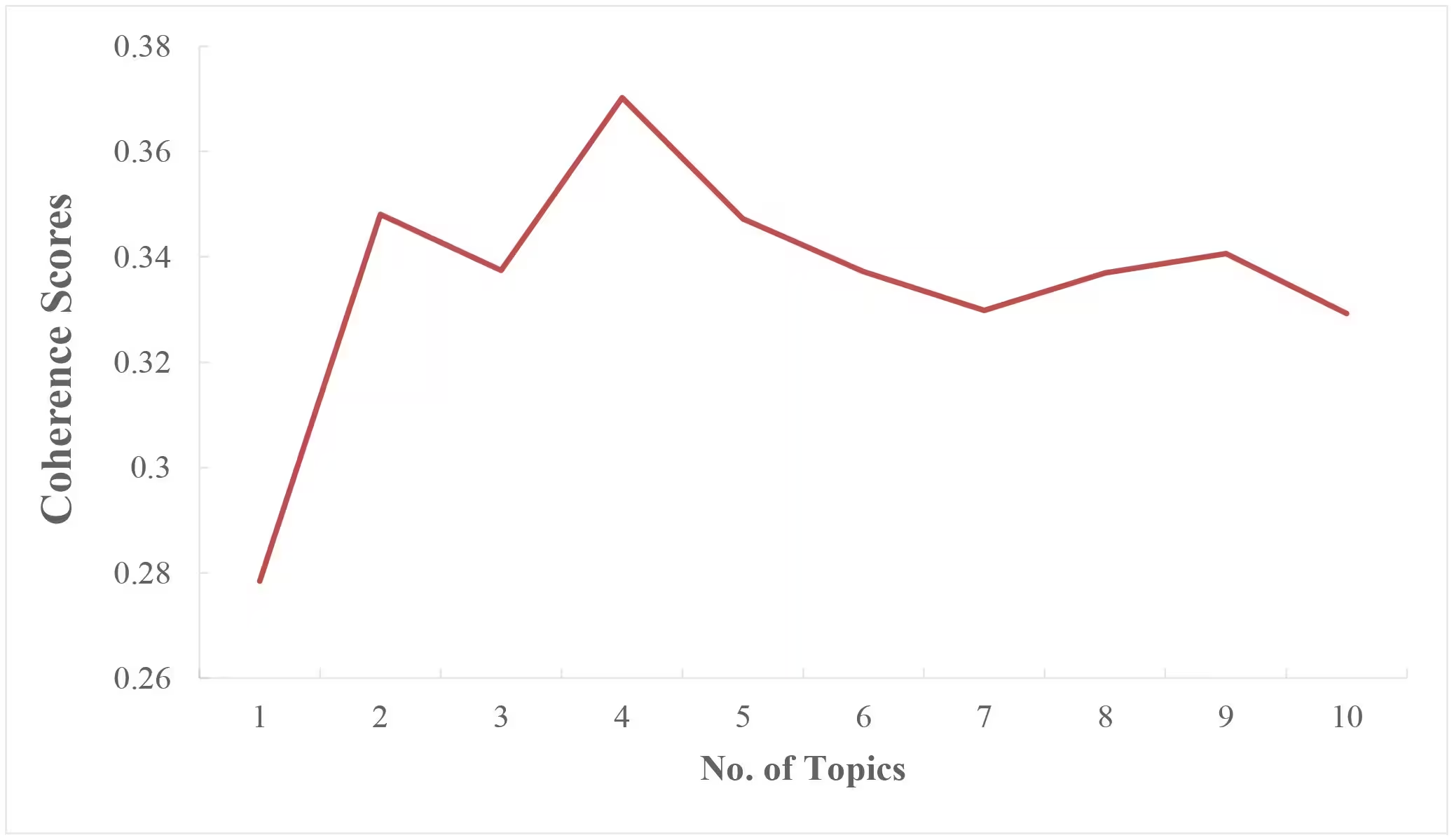
Using Latent Dirichlet Allocation topic modeling, the researchers grouped media coverage into four primary themes. These topics encompassed China’s international influence, domestic politics and leadership, bilateral relations with Australia, and global development and cooperation. Intertopic distance mapping confirmed substantial overlap between global affairs and multilateral cooperation.
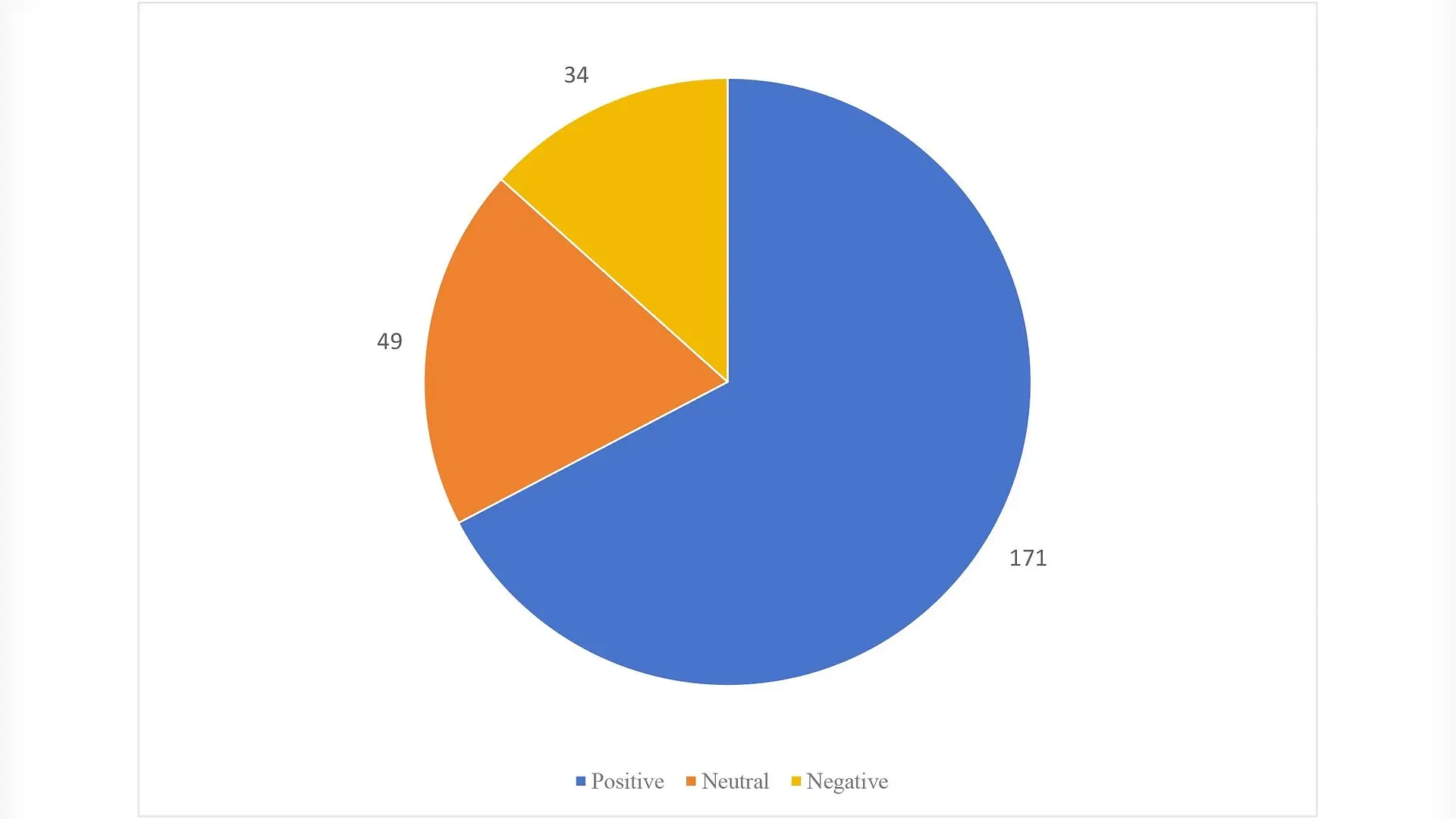
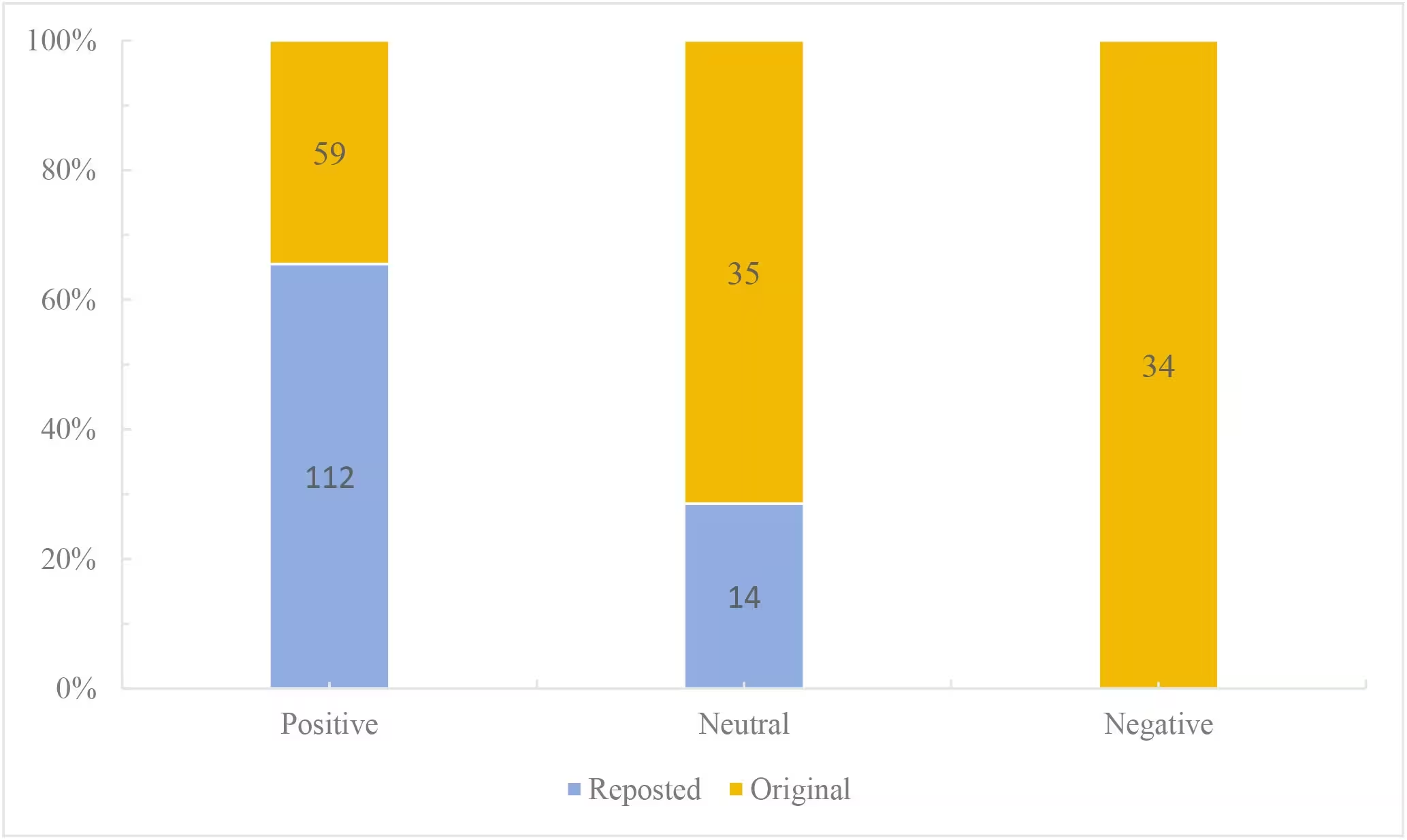
Sentiment analysis revealed a sharp division between syndicated content and original journalism. While aggregate figures showed a predominantly positive reception across the entire corpus, closer inspection demonstrated that syndicated articles from state-affiliated networks drove the positive skew. Conversely, all negative evaluations originated exclusively from original Australian reporting.
Among original articles authored by domestic journalists, sentiment was more evenly balanced between positive, neutral, and critical perspectives. Researchers attribute this critical undercurrent to Australia’s strategic position as a security ally of the United States while maintaining deep economic ties with China, which creates an editorial environment marked by both pragmatic engagement and deep-seated geopolitical caution.
The research was published in PLOS One on November 20, 2026.
This article has been fact checked for accuracy, with information verified against reputable sources. Learn more about us and our editorial process.
Last reviewed on .
Article history
- Latest version
Reference(s)
- Zhou, Yuxin., et al. “Disseminating China’s vision: A corpus-assisted discourse analysis of “a community with a shared future” in Australian mainstream media.” PLOS One, vol. 21, no. 11, November 20, 2026, pp. e0362389 Public Library of Science (PLoS), doi: 10.1371/journal.pone.0362389. <https://doi.org/10.1371/journal.pone.0362389>.
- Posted by Michael Ellison