Why Fluoride Toothpaste Protects Teeth Differently Across Regions
A comprehensive review of over 12,000 participants reveals how daily brushing habits impact tooth decay rates across diverse Nigerian communities.
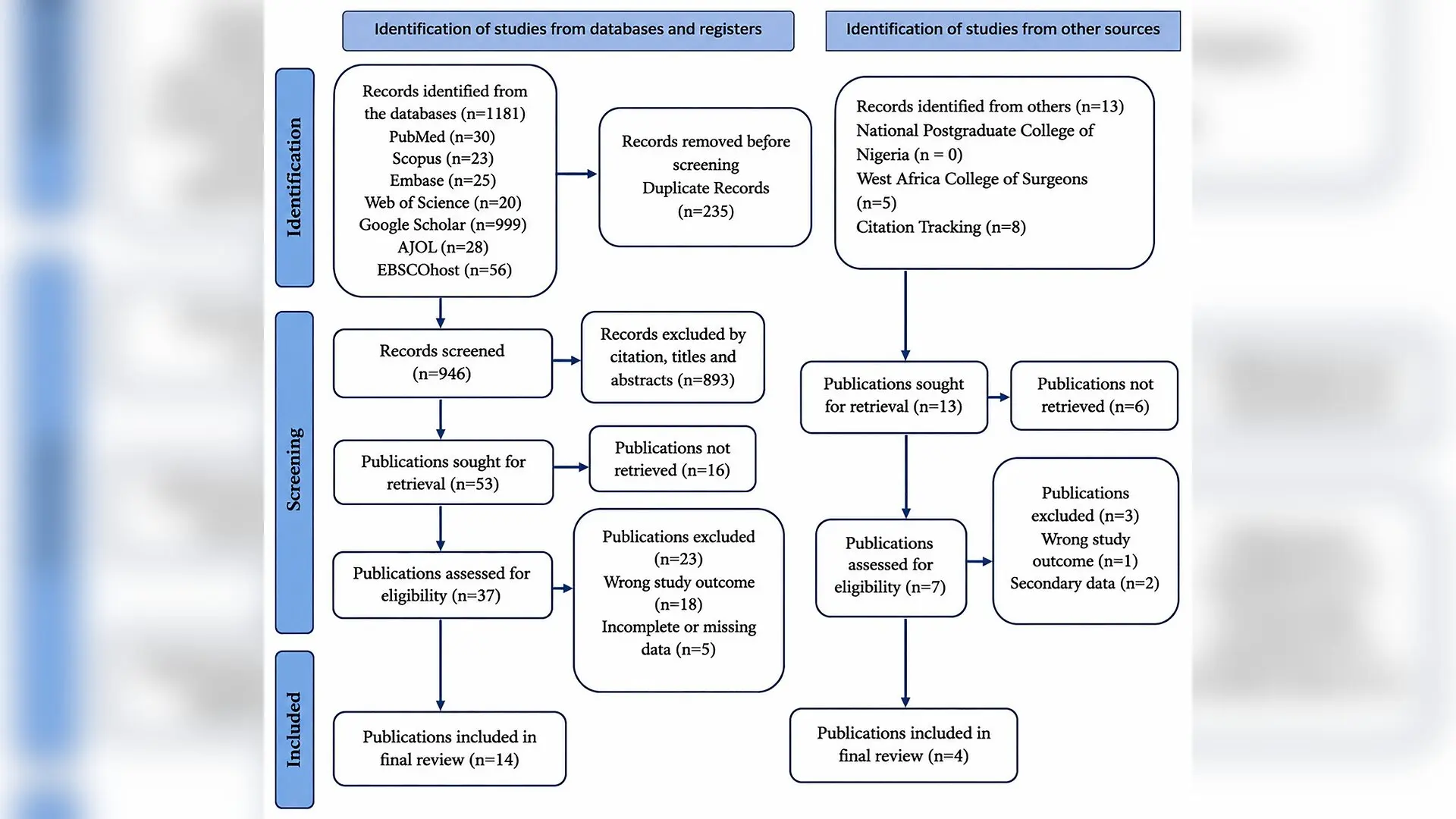
Dental caries affects about 3.5 billion people worldwide, presenting a major public health challenge that links poor oral health to systemic conditions like cardiovascular and kidney diseases. While simple preventive tools like fluoridated toothpaste exist, their real-world effectiveness can vary wildly depending on local infrastructure and socioeconomic factors. In a new comprehensive evaluation published in PLOS Global Public Health, researchers investigated how well daily fluoride toothpaste protects children and adolescents against tooth decay in Nigeria, where community water fluoridation is absent and professional dental care can be scarce.
How Widespread Is Fluoride Toothpaste Use Across Nigeria Today
The systematic review analyzed 18 observational studies published between 2011 and 2025, encompassing a total of 12,719 participants aged six months to 74 years. Across most suburban and urban settings in the country, the reported prevalence of fluoridated toothpaste use was remarkably high, ranging from 61.9 percent to 95.8 percent. Despite national regulations requiring all commercial toothpaste sold in Nigeria to contain fluoride, access and usage patterns varied considerably by geographic location and community setting. Hospital-based studies consistently reported a higher prevalence of dental caries compared to school- and community-based assessments, reflecting the reality that patients seeking clinic care often already present with more advanced disease.
Dental caries prevalence among the study populations ranged from a low of 3.4 percent to a high of 81.6 percent. In preschool children aged six to 71 months, decay rates spanned between 4.7 percent and 13.5 percent. For individuals with mixed dentition, where both baby and permanent teeth are present, prevalence figures reached up to 79.1 percent in certain urban groups. The researchers noted that dmft and DMFT index scores, which quantify decayed, missing, and filled teeth, tended to be higher in areas where fluoridated toothpaste use demonstrated a clear statistical link to reduced caries rates.
What the Meta-Analysis Reveals About Tooth Decay Protection
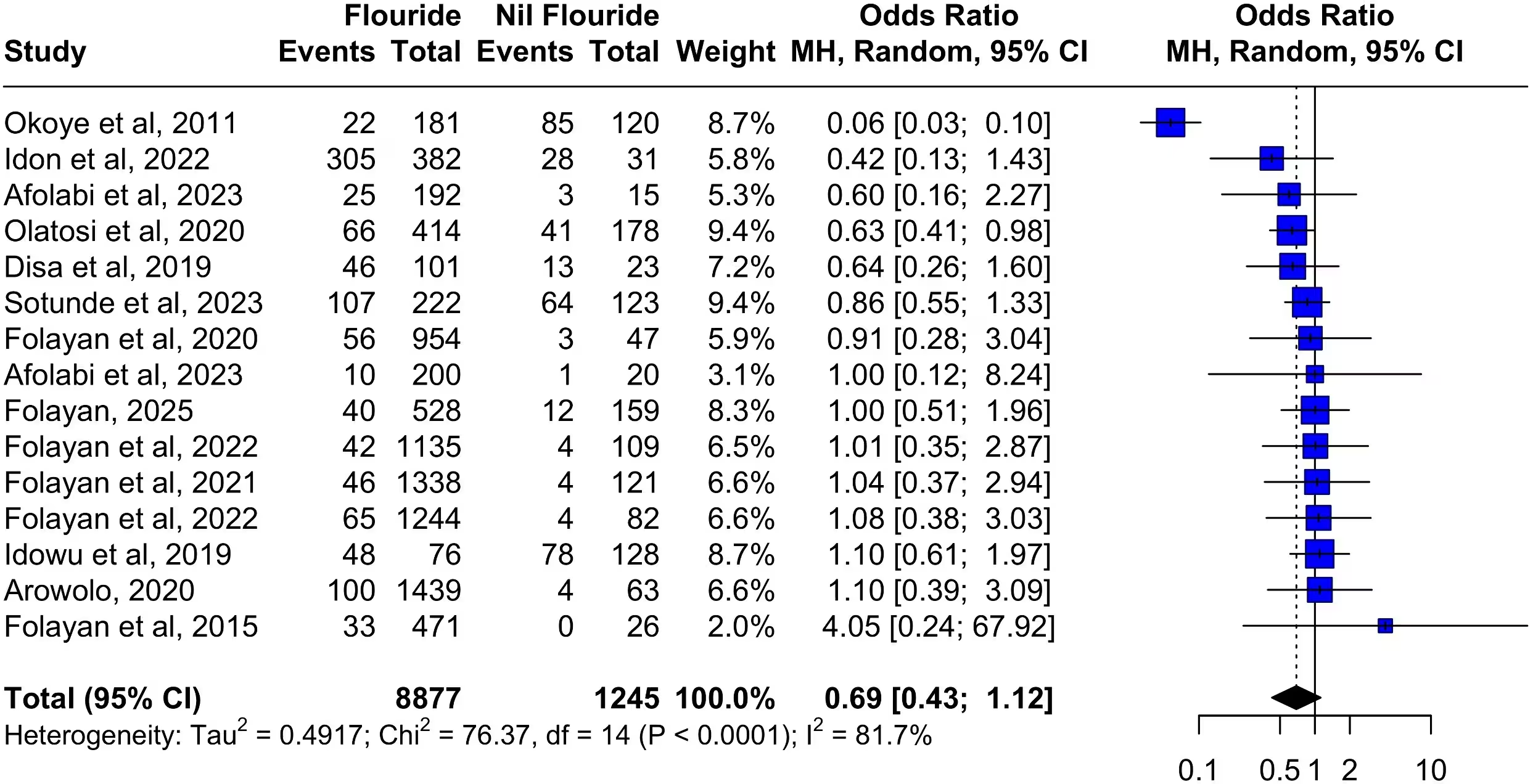
When the authors pooled data from 15 studies in a random-effects meta-analysis, they found that the odds of developing dental caries were 31 percent lower among participants who used fluoridated toothpaste compared to those who did not. However, high statistical heterogeneity across the studies prompted a closer look through leave-one-out sensitivity analyses. Removing a single influential rural study shifted the pooled odds ratio to indicate that individuals using fluoridated toothpaste experienced 16 percent lower odds of having dental caries, with the remaining data showing consistent alignment.
Subgroup evaluations by dentition type revealed that the protective association was slightly stronger in mixed dentition, where participants showed 26 percent lower odds of decay, compared to permanent dentition, which saw a 13 percent reduction. Furthermore, study design played a significant moderating role. Hospital-based investigations reported 41 percent lower odds of caries among fluoride toothpaste users, whereas population-based designs showed a modest 5 percent reduction. Regionally, the protective association remained relatively consistent across both the northern and southern zones of Nigeria, pointing to a widespread foundational benefit regardless of local geographic differences.
Why Regional Differences and Local Infrastructure Matter
The review highlights a curious nuance, noting that while fluoride use is nearly universal in suburban areas, its statistical association with lower caries rates was less consistent there than in rural and urban environments. The authors suggest that suburban populations often benefit from closer proximity to dental clinics, health literacy programs, and school-based preventive initiatives, which may create a baseline of good oral health that dilutes the measurable isolated impact of fluoride toothpaste. In contrast, rural and urban communities dealing with higher baseline caries risks and fewer alternative resources showed a more pronounced protective benefit from daily fluoride use.
The authors emphasize that these observational findings must be interpreted with caution. The included studies were predominantly cross-sectional, meaning they captured a single snapshot in time and could not fully adjust for complex confounders like dietary sugar intake, individual socioeconomic status, and genetic variations in enamel resistance. Furthermore, two of Nigeria’s six geopolitical zones lacked representation in the available literature, and data on adult populations remain sparse.
What These Findings Mean for Public Health Policy Moving Forward
Despite the inherent limitations of observational data, the study underscores the public health value of keeping fluoridated toothpaste accessible and affordable in resource-constrained nations. In environments where systemic fluoride delivery through public water supplies does not exist, brushing with fluoride toothpaste remains the most viable first line of defense against tooth decay. The researchers advocate for context-sensitive oral health policies, suggesting that public health initiatives should prioritize targeted distribution and subsidies in high-risk rural and urban communities while encouraging comprehensive dietary strategies in lower-risk suburban settings.
The research was published in PLOS Global Public Health on November 20, 2026.
This article has been fact checked for accuracy, with information verified against reputable sources. Learn more about us and our editorial process.
Last reviewed on .
Article history
- Latest version
Reference(s)
- Aborisade, Adetayo., et al. “Association between fluoridated toothpaste use and dental caries in Nigeria: A systematic review and meta-analysis.” PLOS Global Public Health, vol. 6, no. 11, November 20, 2026, pp. e0006065 Public Library of Science (PLoS), doi: 10.1371/journal.pgph.0006065. <https://doi.org/10.1371/journal.pgph.0006065>.
Cite this page:
- Posted by Bilal Abbasi