French Labs Test Grassroots Green Strategies To Cut Carbon Footprints
An analysis of 274 sustainability actions reveals how research teams are attempting to balance scientific output with planetary boundaries.

French research laboratories are testing grassroots strategies to shrink their carbon footprints and navigate the mounting pressures of ecological sustainability. Academic institutions consume vast amounts of natural resources through high-energy instruments, technology procurement, and frequent international travel, prompting a push for systematic self-examination.
To investigate how scientific institutions are tackling these challenges, a team of researchers published an extensive analysis of the Transition 1point5 platform published in PLOS Sustainability and Transformation on November 19, 2026. The platform is an open-source web application created by the French research collective Labos 1point5, allowing volunteer laboratories to share the environmental measures they have put into practice.
How French Laboratories Are Documenting Their Carbon Footprint
Before any laboratory can publish mitigation actions on the web platform, it must first calculate its greenhouse gas emissions using a companion tool called GES 1point5. This tool is designed to align with official carbon accounting methodologies while accommodating the unique operational structures of French public research. The new study evaluated 274 distinct actions submitted by 69 volunteer laboratories between December 2023 and June 2025.
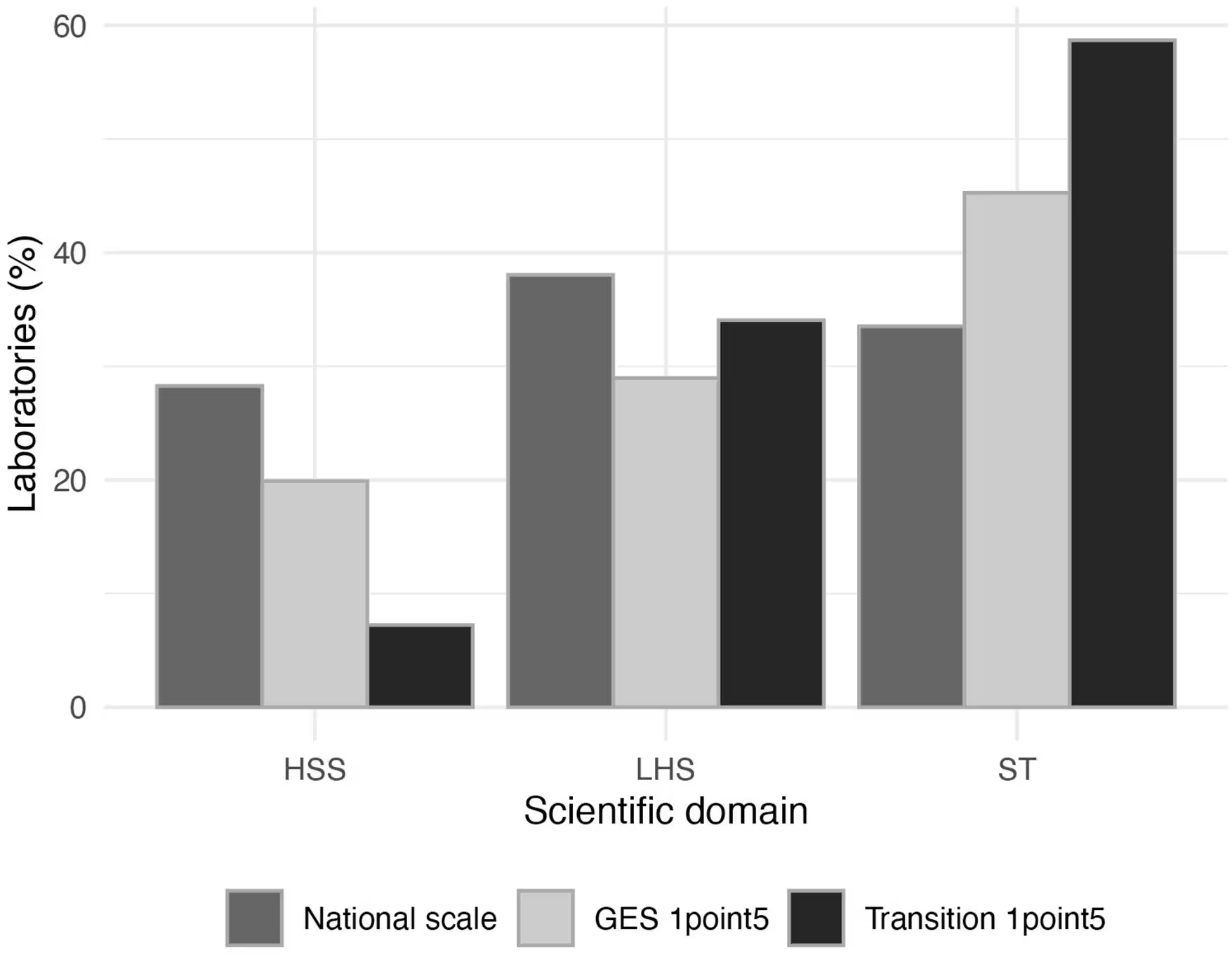
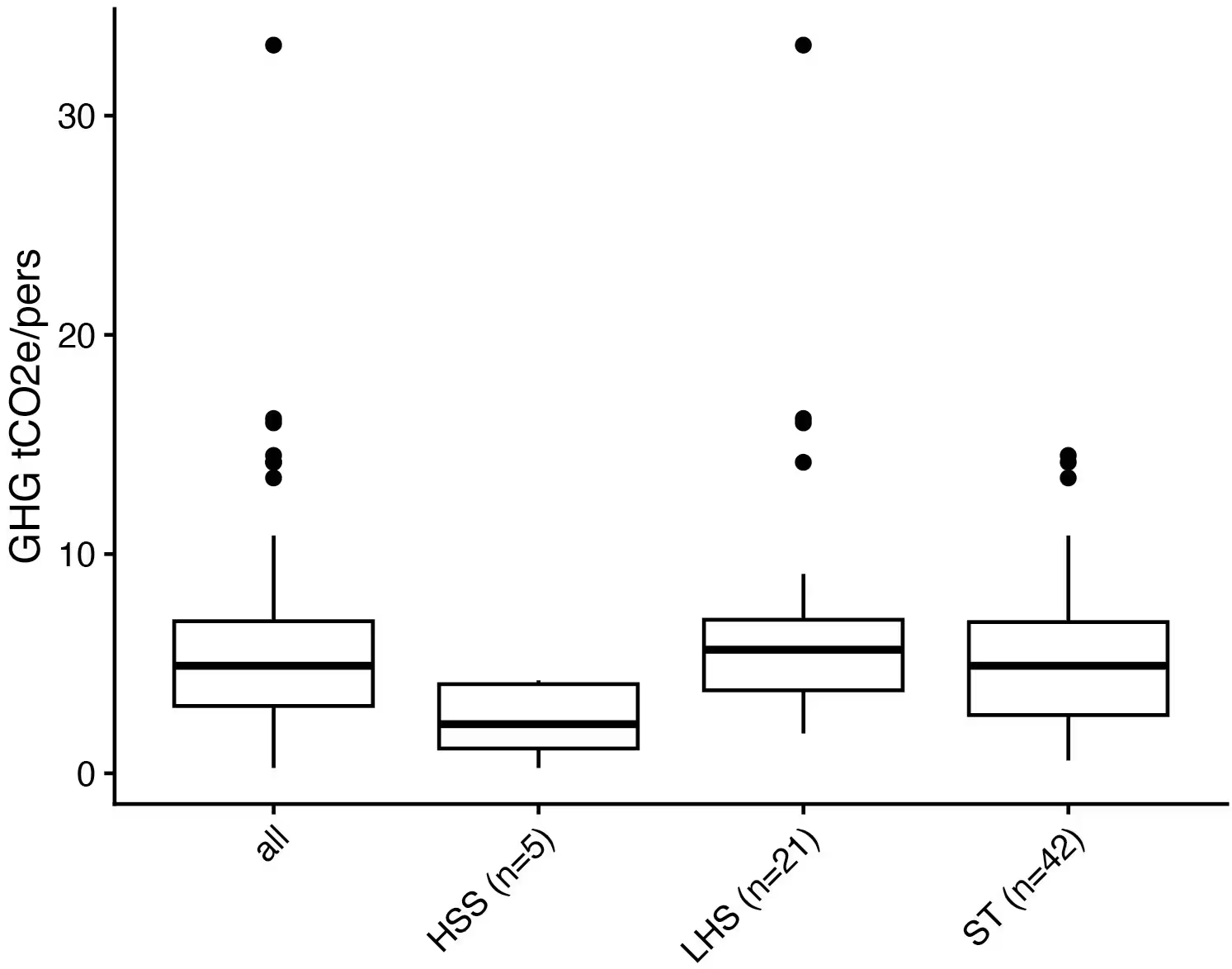
The analyzed institutions span three primary scientific domains, including life and health sciences, sciences and technology, and human and social sciences. Across these groups, reported emissions averaged 5.9 tonnes of carbon dioxide equivalent per staff member annually, aligning closely with wider national averages for scientific facilities. However, individual footprints varied widely from 0.2 to 33.2 tonnes per person, largely depending on the intensity of laboratory equipment and travel requirements.
What Kinds of Reduction Actions Are Scientists Choosing?
The evaluation revealed a strong reliance on grassroots engagement rather than top-down enforcement. About 43 percent of the recorded initiatives were driven by volunteers, and roughly half of all implemented measures were entirely optional for staff members. Awareness-raising initiatives accounted for 31 percent of all shared actions, while everyday eco-friendly gestures made up 14 percent.
More structural organizational changes, such as drafting transition plans, setting up specialized working groups, or holding participatory workshops, appeared less frequently but pointed toward deeper institutional reflection. For instance, laboratories experimented with adjusting ultra-low temperature freezers from minus 80 degrees Celsius to minus 70 degrees Celsius after careful sample preservation tests, successfully cutting energy use without compromising biological storage.
Why Tracking Direct Emissions Reductions Remains Difficult
Despite hundreds of registered actions, the authors emphasize that connecting specific green measures to immediate drops in greenhouse gas inventories is complex. Many actions target areas that are difficult to quantify directly in standard carbon accounting frameworks, such as waste reduction or digital equipment lifespans.
Furthermore, standard carbon accounting relies heavily on the financial cost of purchased goods, meaning that investing in durable, high-quality local equipment can temporarily inflate a laboratory’s reported emissions score despite offering long-term environmental benefits. The researchers also noted that pandemic-related disruptions during 2020 and 2021 heavily skewed travel emissions, making it difficult to isolate the ongoing impact of voluntary local policies.
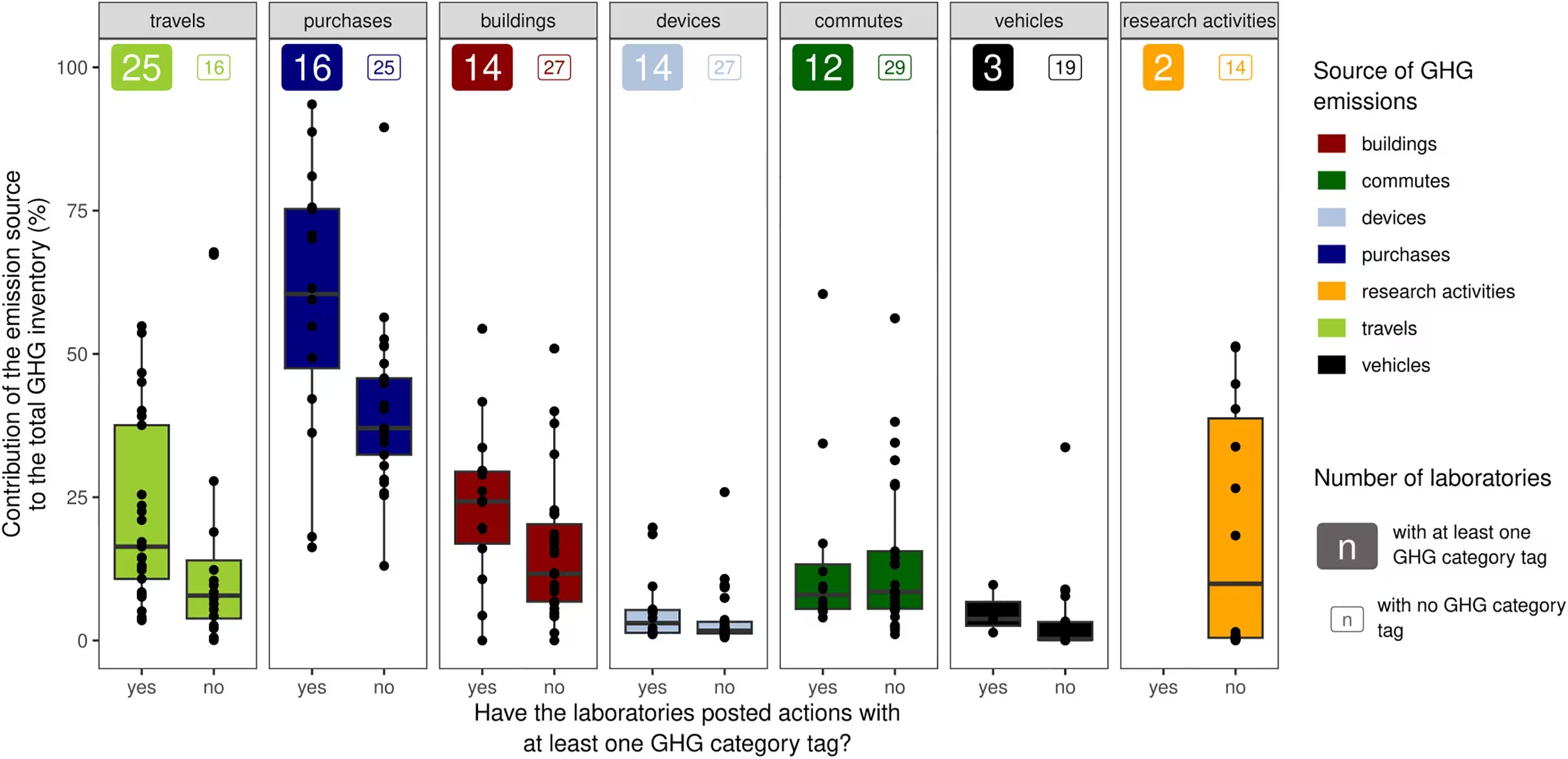
The study highlights that there is no single transition path for research facilities. While some teams began their sustainability journeys by adopting strict reduction charters and targeting high-emission sectors like travel and buildings, others focused on long-term educational workshops and community discussions.
Ultimately, the authors conclude that transforming public research requires moving beyond passive awareness toward structural changes in how science is evaluated and conducted. As the platform expands to include more institutions and international participants, it provides a valuable framework for understanding how scientific communities can operate within planetary boundaries.
The research was published in PLOS Sustainability and Transformation on November 19, 2026.
This article has been fact checked for accuracy, with information verified against reputable sources. Learn more about us and our editorial process.
Last reviewed on .
Article history
- Latest version
Reference(s)
- Savoia, Annunziata., et al. “Transition 1point5, the platform for French academic research laboratories engaged in their environmental transition.” PLOS Sustainability and Transformation, vol. 5, no. 11, November 19, 2026, pp. e0000305 Public Library of Science (PLoS), doi: 10.1371/journal.pstr.0000305. <https://doi.org/10.1371/journal.pstr.0000305>.
Cite this page:
- Posted by Anjali Singh