COVID-19 Linked to Higher Vein Clot Risk in Bevacizumab-Treated Cancer Patients
A French nationwide study of nearly 59,000 oncology patients reveals an increased hazard of venous thromboembolism following coronavirus infection.
When cancer patients receiving the common tumor-shrinking drug bevacizumab contracted SARS-CoV-2, researchers discovered they faced an elevated danger of developing dangerous blood clots in their veins.
Venous thromboembolism, or dangerous blood clots forming in deep veins, represents a leading cause of severe complications and mortality among people undergoing oncology care. Antiangiogenic medications like bevacizumab, which starve tumors by blocking blood vessel growth, are already known to heighten vascular risks. To understand how concurrent viral infections alter these risks, a team of investigators analyzed a vast nationwide health registry covering care across France between January 2019 and December 2021.
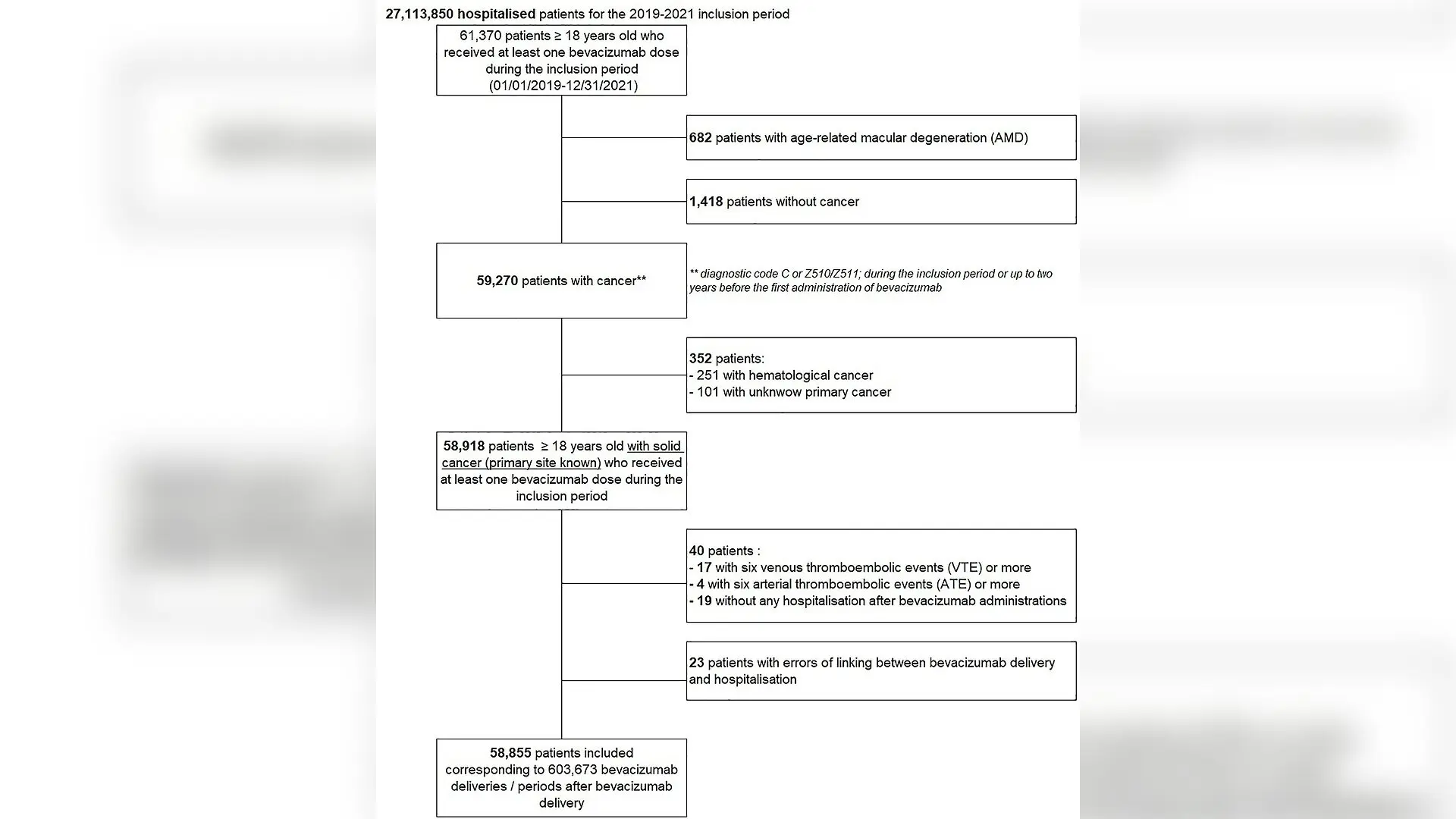
The retrospective investigation, published in PLOS One, included 58,855 adult cancer patients receiving bevacizumab therapy. The participant group had a median age of 67 years, with a slight female majority at 51.9 percent, and roughly 80 percent presented with metastatic disease at the start of observation. Digestive system malignancies, particularly colorectal cancer, accounted for over half of all primary diagnoses in the cohort.
What Did the Nationwide Health Data Reveal About Blood Clot Risks?
During the multi-year study period, researchers tracked more than 600,000 separate bevacizumab administrations and recorded 5,589 venous thromboembolic events alongside 1,926 arterial thromboembolic events, which involve clots traveling through arteries to the brain or heart. The overall incidence rate for venous clots stood at 11.95 per 100 person-years.
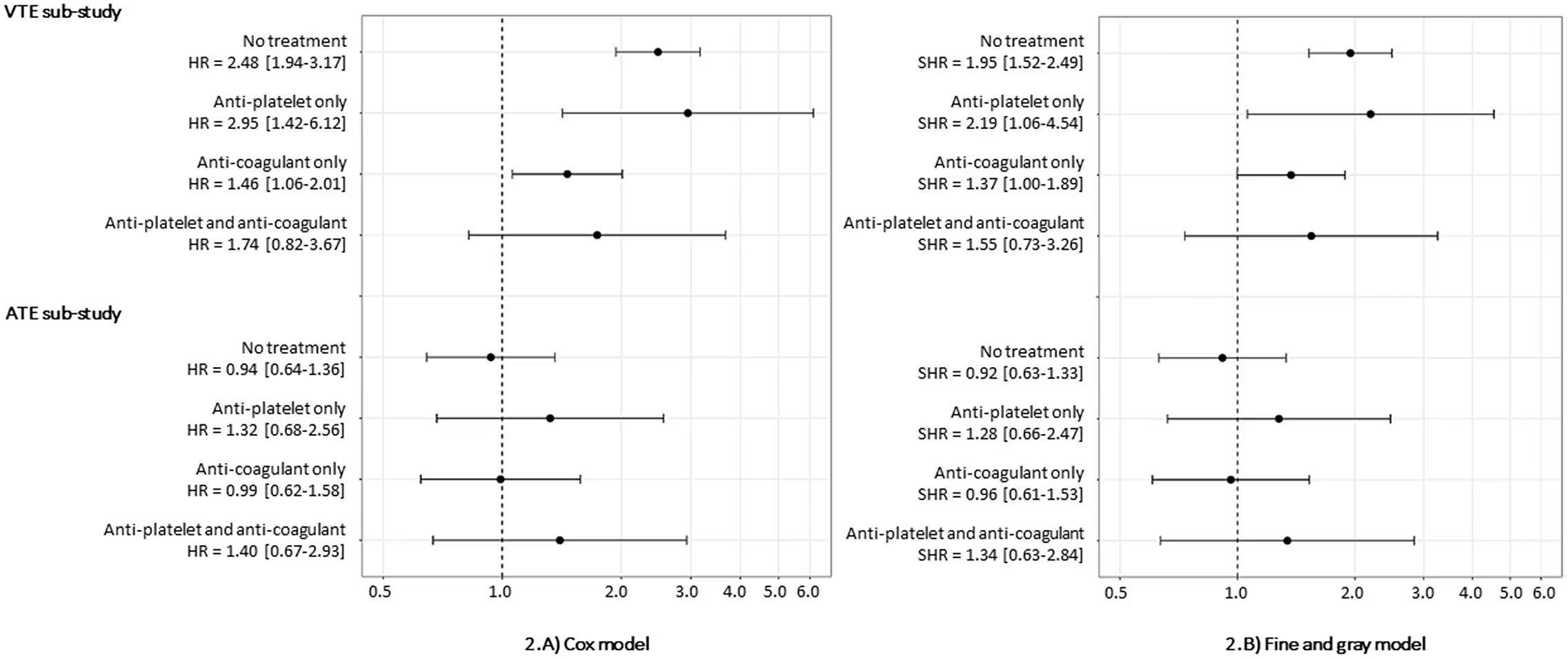
When tracking patients diagnosed with COVID-19, the incidence rate for venous clots jumped to 30.38 per 100 person-years during the immediate 30-day window following infection. Statistical models accounting for competing risks, such as mortality, confirmed that a recent COVID-19 diagnosis was linked to an adjusted subhazard ratio of 1.70 for venous thromboembolic events. In contrast, the analysis found no clear statistical association between COVID-19 infection and arterial clots within a subsequent 90-day exposure window.
Why the Absolute Risk Increase Remains Modest for Patients
Despite the elevated relative risk, the authors emphasized that the absolute risk difference for individual patients remained modest in scale. The numbers translated to roughly one additional venous blood clot per 64.6 person-months of COVID-19 exposure, meaning a large pool of exposed individuals is necessary for a single excess event to manifest.
The investigators also examined potential interactions with preventive treatments, noting that anticoagulant medications altered the hazard association in standard Cox modeling. However, they cautioned that administrative health records lack granular clinical metrics like cancer progression status or exact daily medication adherence, which limits definitive conclusions about causality.
The findings highlight the complex interplay between systemic cancer treatments and viral infections, suggesting that clinicians should carefully evaluate vascular health in vulnerable oncology patients who contract respiratory viruses.
The research was published in PLOS One on November 19, 2026.
This article has been fact checked for accuracy, with information verified against reputable sources. Learn more about us and our editorial process.
Last reviewed on .
Article history
- Latest version
Reference(s)
- Migeon, Adrien., et al. “Bevacizumab and thrombosis risk in cancer patients with COVID-19: A national retrospective cohort study (TIC-TAC).” PLOS One, vol. 21, no. 11, November 19, 2026, pp. e0362952 Public Library of Science (PLoS), doi: 10.1371/journal.pone.0362952. <https://doi.org/10.1371/journal.pone.0362952>.
Cite this page:
- Posted by David Anderson