Common Stomach Acid Drugs Do Not Disrupt the Gut Microbiome in Healthy Dogs
A controlled 30-day trial reveals stable nutrient levels and minimal microbial shifts, offering new clarity on veterinary antacid safety.
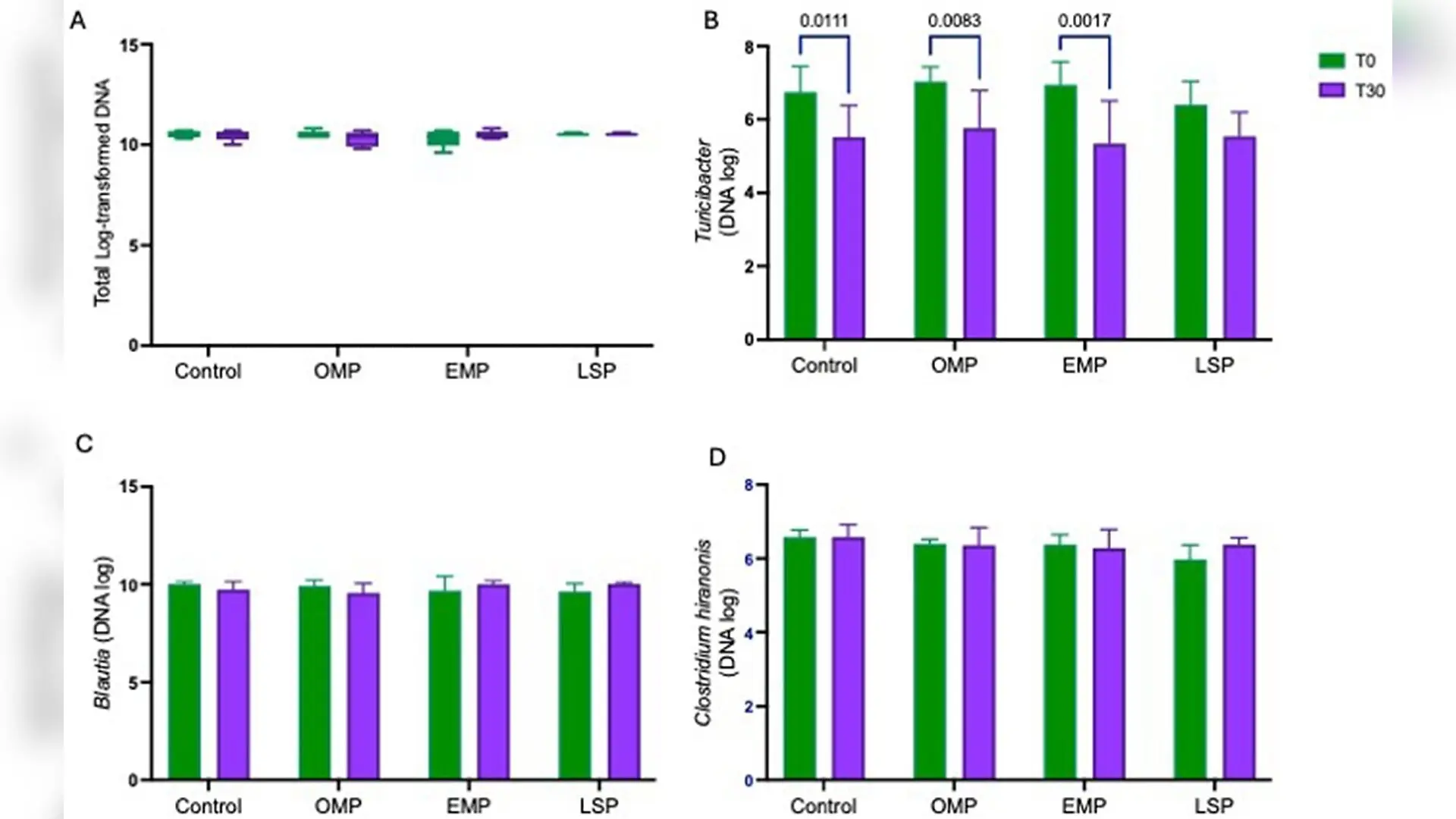
Giving common acid-reducing drugs to healthy dogs for a full month does not trigger major microbial imbalances in the gut, according to a recent clinical investigation. The study, published in PLOS One, tested three widely prescribed proton pump inhibitors to see how they alter the complex community of bacteria residing inside the digestive tract.
Testing Popular Acid Blockers in Standardized Dogs
Proton pump inhibitors are medications that lower stomach acidity by blocking cellular proton pumps, offering relief for conditions like ulcers and severe acid reflux. While highly effective, these drugs have raised concerns among veterinarians regarding whether raising gastric pH might allow unwanted bacteria to flourish in the gut. To isolate the direct chemical impact of these medications from outside variables like poor diet or hidden infections, the research team selected 20 adult Golden Retrievers of similar age and uniform health status.
The animals were divided into four groups of five dogs each. Three groups received twice-daily oral capsules containing standard therapeutic doses of omeprazole, esomeprazole, or lansoprazole, while a fourth group received a placebo. All dogs ate the exact same commercial super-premium dry food and were thoroughly screened and dewormed prior to the trial. Researchers collected blood and fecal samples on day zero and again after thirty consecutive days of treatment to monitor nutritional markers and bacterial populations.
Minor Shifts Without Full-Scale Microbial Disruption
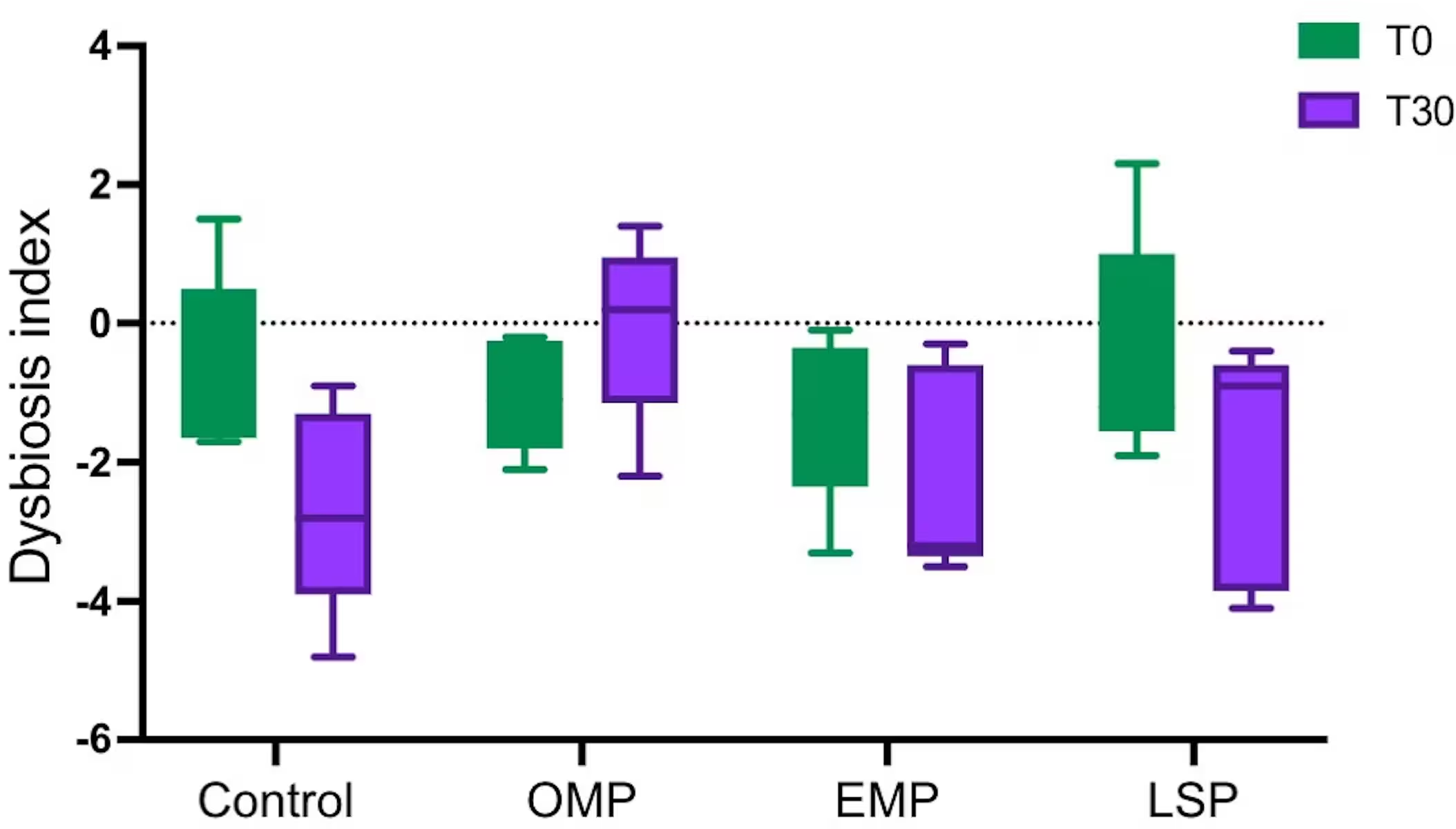
To measure changes in the digestive tract, the team utilized a specialized fecal dysbiosis index, a diagnostic tool that quantifies key bacterial groups using quantitative polymerase chain reaction techniques. The overarching index scores showed no statistically significant differences among the treatment groups after thirty days. Essential nutrient markers in the blood, including vitamin B12, folate, albumin, magnesium, calcium, and iron, remained completely stable and stayed within normal reference ranges across all treated animals.
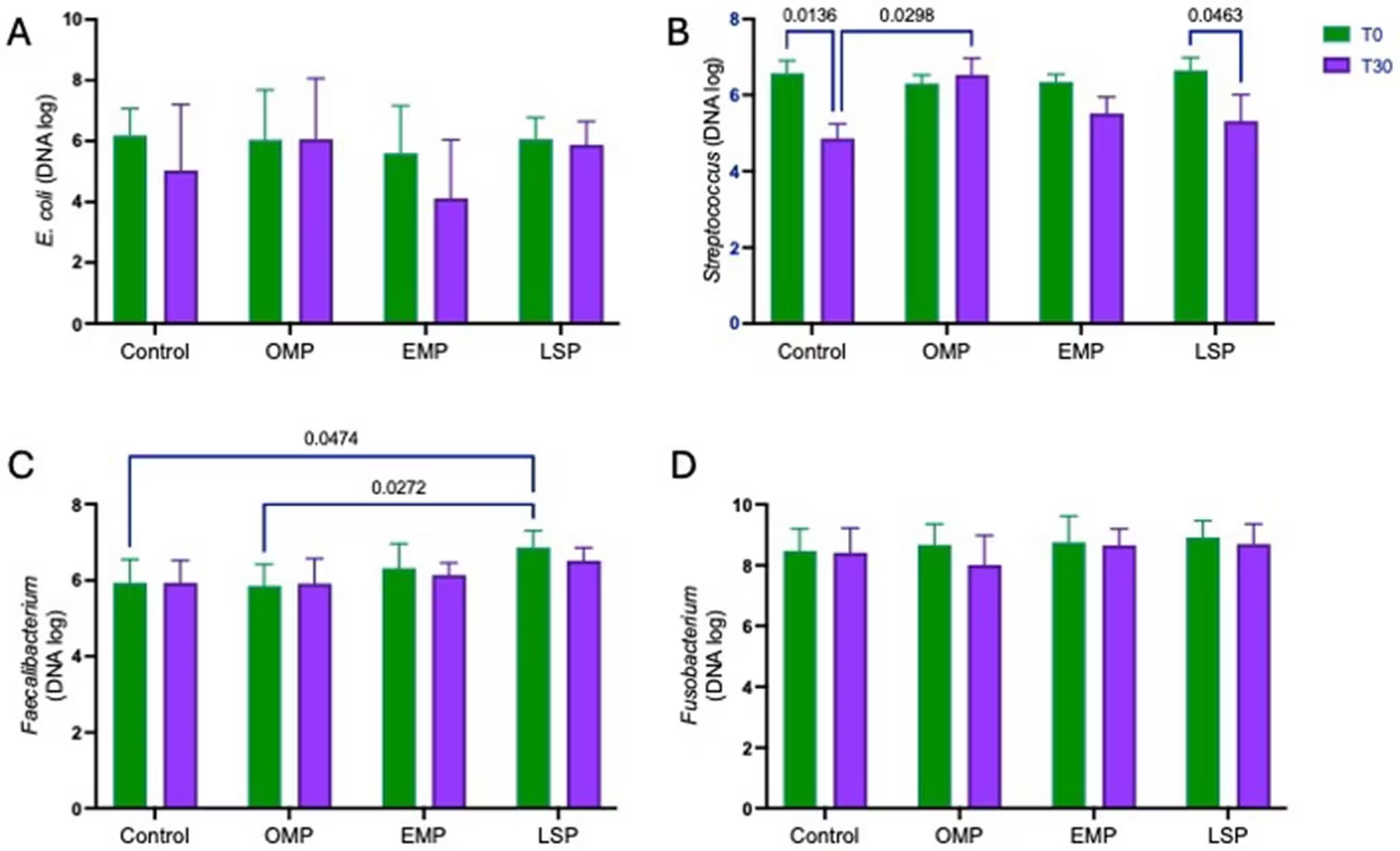
Despite the general stability, researchers did note a few isolated microbial adjustments. Dogs receiving omeprazole experienced a slight rise in Streptococcus bacteria, which are sometimes viewed as opportunistic, alongside a reduction in Turicibacter, a beneficial commensal genus linked to lipid metabolism. However, a similar decrease in Turicibacter also appeared in the placebo group, pointing to natural fluctuations within the canine gut. Meanwhile, dogs given lansoprazole showed a nearly twofold increase in serum gastrin, a hormone released when stomach acid drops, confirming the expected pharmacological activity of the drug.
Interpreting Results Beyond Controlled Laboratory Settings
The authors emphasize that these reassuring findings apply strictly to healthy animals with an already balanced baseline microbiome and controlled diets. In everyday veterinary practice, patients receiving acid suppressants are often sick, elderly, obese, or taking other medications like antibiotics or steroids that already stress the digestive ecosystem. Consequently, while a month of therapy in robust dogs did not cause clinical dysbiosis, the same drugs might behave differently in compromised patients.
Future studies will need to examine whether diseased animals experience more severe microbial disruption when prescribed stomach acid reducers. For now, the evidence suggests that short-term antacid therapy in healthy dogs is relatively benign, but clinicians should still exercise thoughtful judgment rather than prescribing these medications as routine preventatives.
The research was published in PLOS One on November 20, 2026.
This article has been fact checked for accuracy, with information verified against reputable sources. Learn more about us and our editorial process.
Last reviewed on .
Article history
- Latest version
Reference(s)
- Romano, Felipe Saab., et al. “Effects of proton pump inhibitors on serum and fecal biomarkers and intestinal microbiota in dogs.” PLOS One, vol. 21, no. 11, November 20, 2026, pp. e0361194 Public Library of Science (PLoS), doi: 10.1371/journal.pone.0361194. <https://doi.org/10.1371/journal.pone.0361194>.
Cite this page:
- Posted by Anjali Singh