Digital Diet App Use Linked to Better BMI and Metabolic Health in Corporate Study
Regular meal logging on smartphone apps correlates with improved blood pressure and cholesterol in Japanese workers, though short-term medical costs remain unchanged.
Employees who frequently logged their daily meals using an automated diet management smartphone application achieved measurable improvements in body mass index and other metabolic indicators over a two-year study period. The research tracked real-world app usage among corporate workers in Japan to understand how digital health self-monitoring impacts physical well-being and health care expenditures in workplace settings.
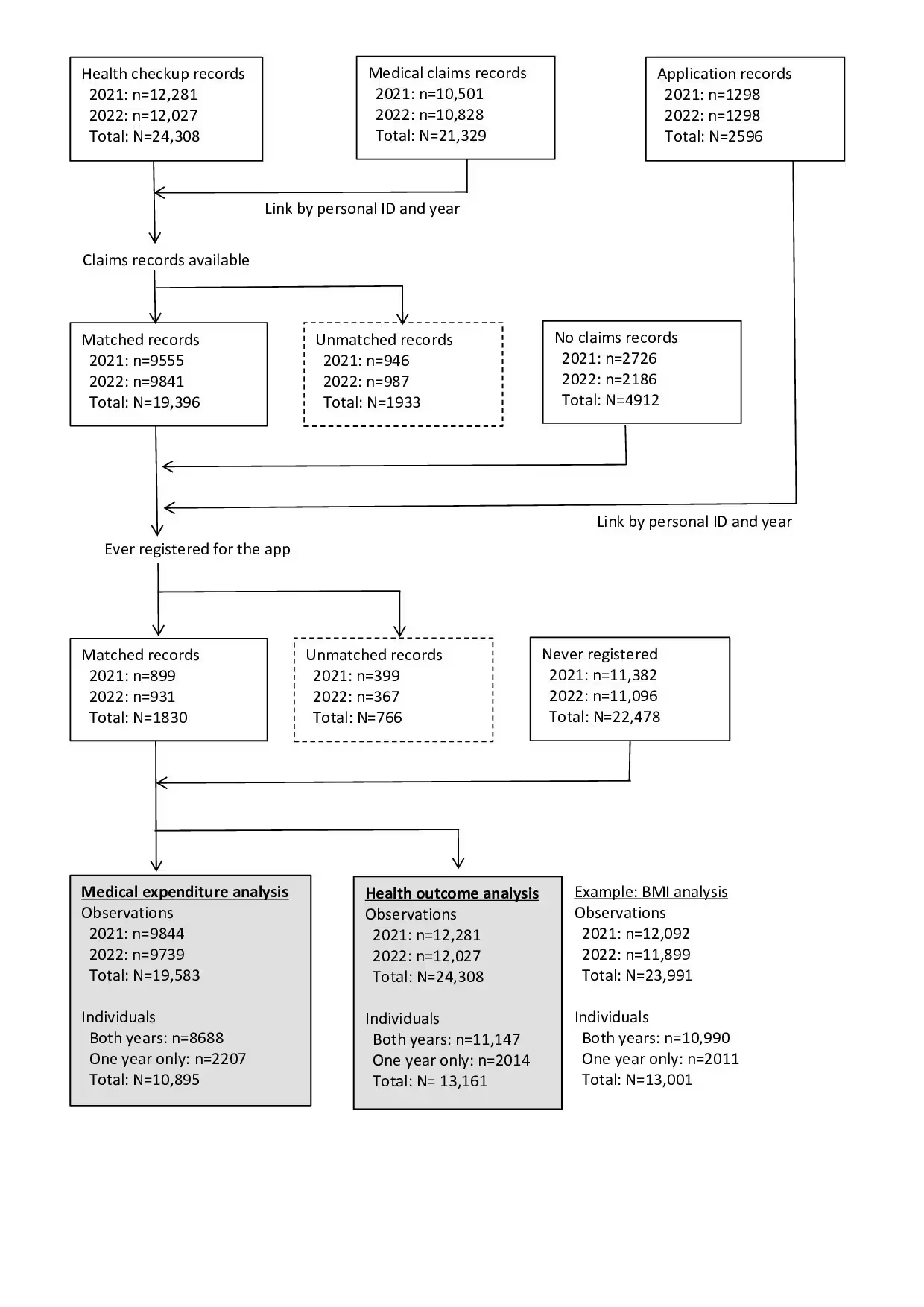
The investigation, published in JMIR mHealth and uHealth in November 2026, was conducted by Fusae Okaniwa from Yamagata University, alongside Fengming Chen and Hiroshi Yoshida. The researchers analyzed individual-level panel data covering the years 2021 and 2022 by linking app usage records, annual health checkup records, and medical claims data from a major Japanese corporate group encompassing over twelve thousand employees. The primary exposure variable measured the average daily number of meal logs recorded during the ninety days prior to each participant’s health checkup.
How Does Meal Logging Frequency Shape Health Metrics?
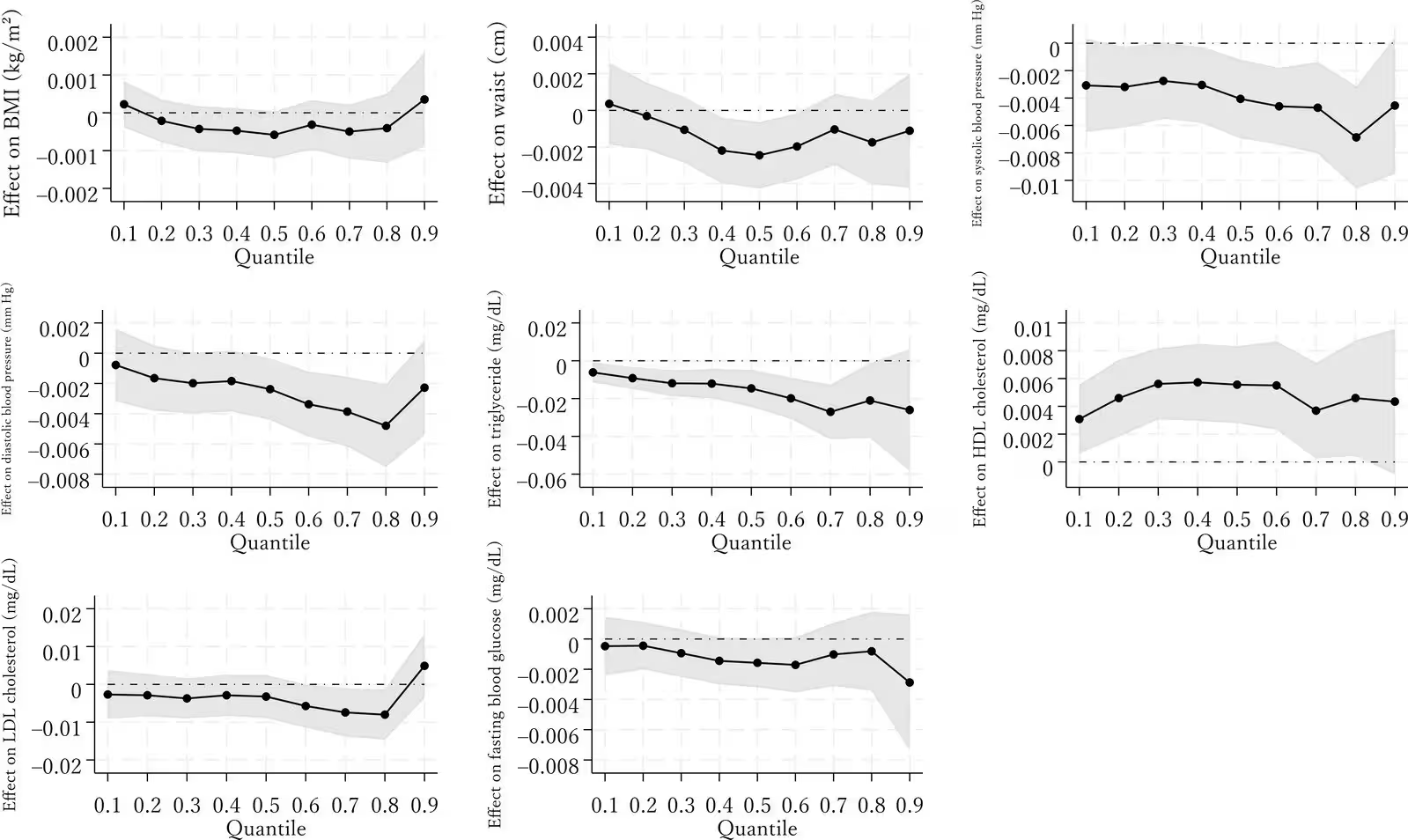
The analysis revealed that more frequent app use was associated with lower body mass index values among both men and women. For male participants, higher recording frequencies also correlated with improvements in waist circumference, blood pressure, and low-density lipoprotein cholesterol, which is commonly referred to as bad cholesterol. Among female participants, increased app usage correlated with lower probabilities of meeting the criteria for metabolic syndrome and abnormal blood glucose levels.
When examining age demographics, the researchers found that users aged forty years or younger experienced significant reductions in body mass index, waist circumference, and low-density lipoprotein cholesterol. In contrast, participants aged fifty years or older showed improvements primarily in blood pressure, low-density lipoprotein cholesterol, metabolic syndrome risk, and blood glucose outcomes rather than significant body mass index changes. Individuals who already met metabolic syndrome criteria at baseline demonstrated app-related improvements that were roughly twice as large as those seen in healthier participants, indicating that individuals with poorer initial health derived greater physiological benefits from regular self-monitoring.
Why Did Medical Expenses Remain Unchanged in the Short Term?
Despite clear physiological improvements in weight and metabolic markers, the study found no statistically significant association between app usage and short-term medical expenditures over the ten months following health checkups. The authors noted that this null finding likely stems from two main factors. First, the observed effect sizes on physical indicators were modest and may not have been large enough to drive immediate cost reductions in health care utilization. Second, lifestyle interventions typically influence intermediate risk factors like blood pressure and body weight long before downstream financial savings materialize from prevented chronic diseases.
The investigation also highlighted several methodological limitations inherent to observational research in corporate environments. Approximately thirty percent of app records could not be linked to health checkup or medical claims databases due to missing or incorrectly entered health insurance identification numbers. Furthermore, because the dataset relied on voluntary meal logging, self-reporting bias and unmeasured lifestyle behaviors could influence the outcomes. The authors emphasized that the findings reflect associations rather than proven causal effects, and cautioned that the corporate study population may not generalize to the broader workforce.
What Role Do Automated Feedback and Self-Monitoring Play?
The diet management tool examined in the study, provided by Asken Inc., combined multiple digital features including barcode scanning, photo recognition via artificial intelligence, and automated nutritional feedback generated under the supervision of registered dietitians. Because meal logging and automated feedback occurred simultaneously, the research design could not isolate whether improvements stemmed from the act of self-monitoring alone or from the personalized dietary suggestions provided by the virtual nutritionist. Future investigations tracking individual app components will help clarify the exact behavioral pathways driving these workplace health improvements.
The research was published in JMIR mHealth and uHealth on November 24, 2026.
This article has been fact checked for accuracy, with information verified against reputable sources. Learn more about us and our editorial process.
Last reviewed on .
Article history
- Latest version
Reference(s)
- Okaniwa, Fusae., et al. “Automated Diet Management App Use and Health Outcomes in Japanese Employees: Panel Data Analysis.” JMIR mHealth and uHealth, vol. 14, November 24, 2026, pp. e76036-e76036. JMIR Publications Inc., doi: 10.2196/76036. <https://doi.org/10.2196/76036>.
Cite this page:
- Posted by William Moore