Researchers Find Reduced SETDB1 Gene Expression In Women With Recurrent Pregnancy Loss, But Can Epigenetic Markers Predict Miscarriage Risk
A controlled study of 270 women links altered histone methyltransferase levels to hormonal and metabolic disturbances.

Recurrent spontaneous abortion, defined as the loss of two or more consecutive pregnancies before 20 weeks of gestation, affects about 1 to 5 percent of women of reproductive age and involves complex metabolic, hormonal, and epigenetic factors. In a new study, researchers led by Sigha Unnikrishnan at Genetika, Centre for Advanced Genetic Studies in Thiruvananthapuram, India, investigated how levels of the SETDB1 gene, which regulates chromatin and gene activity, differ in women who have experienced recurrent pregnancy loss.
How Does SETDB1 Expression Differ in Women with Pregnancy Loss?
Successful pregnancy depends on coordinated gene expression during early development, and epigenetic mechanisms like histone modifications are vital for maintaining genomic stability. The study compared 135 women with a history of recurrent spontaneous abortion against 135 healthy, fertile control participants aged 20 to 40 years. Using quantitative real-time polymerase chain reaction, the authors measured relative gene expression levels in blood samples collected from both groups. The analysis revealed that women in the case group exhibited significantly reduced SETDB1 expression compared to the healthy control participants.
What Role Do Hormones and Cholesterol Play in Miscarriage Risk?
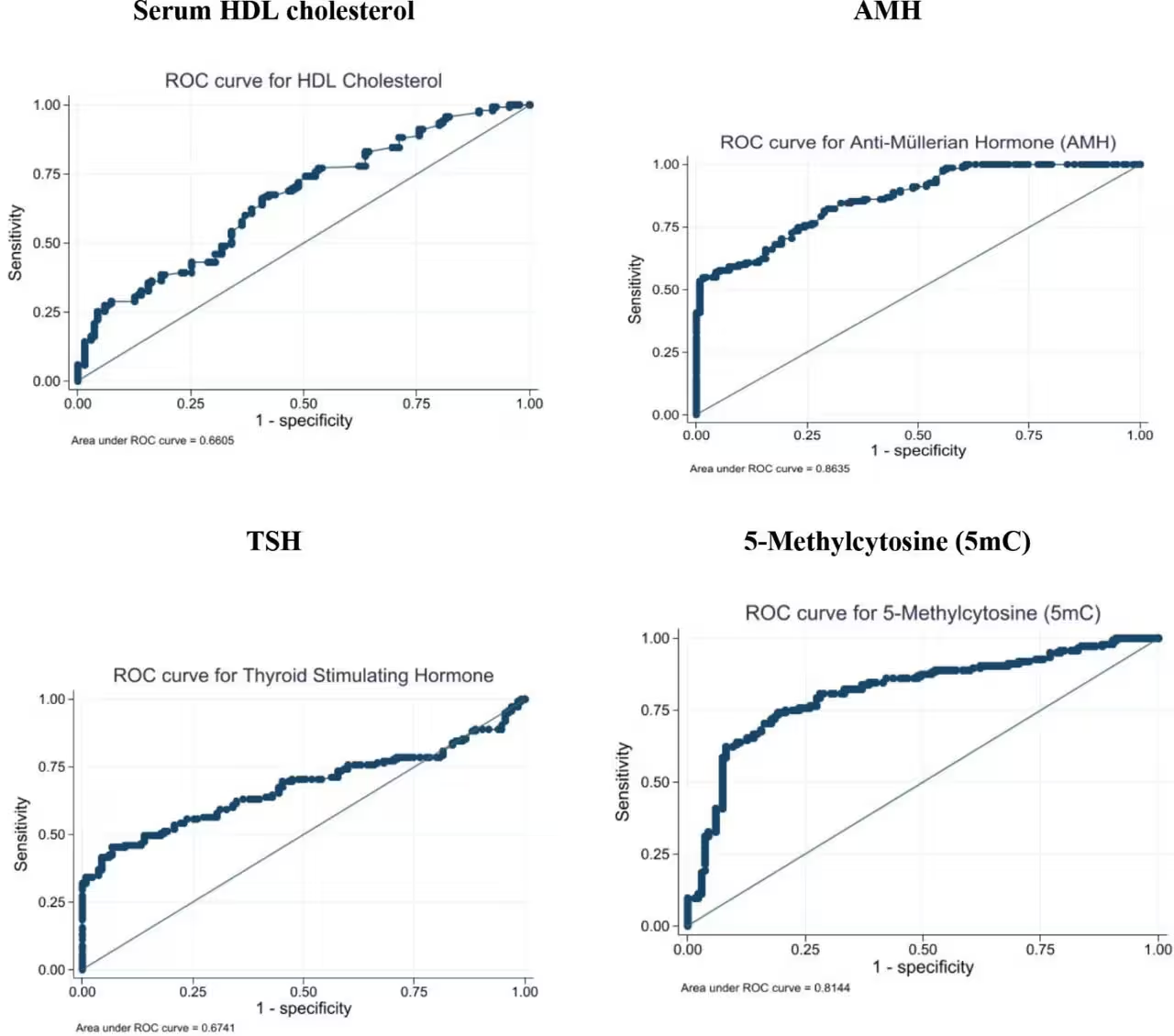
Alongside genetic markers, the team evaluated several metabolic and hormonal parameters that influence reproductive health and early embryonic implantation. Serum thyroid-stimulating hormone levels were significantly higher in women with recurrent pregnancy loss, whereas anti-Müllerian hormone, a marker of ovarian reserve, and high-density lipoprotein cholesterol levels were markedly lower. Elevated thyroid-stimulating hormone can impair endometrial receptivity, while reduced high-density lipoprotein cholesterol may increase oxidative stress and compromise placental perfusion. These findings, published in the Journal of mother and child, suggest that recurrent miscarriage is tied to a combination of endocrine and metabolic disturbances.
Can Environmental Factors and Clinical History Alter Epigenetic Regulation?
The researchers also collected structured questionnaires regarding environmental exposures and documented clinical histories, including polycystic ovary syndrome, cervical insufficiency, and endometrial polyps. A higher frequency of SETDB1 gene dysregulation appeared among women reporting moderate to high exposure to environmental toxins, air pollution, household pesticides, and plastic containers. Furthermore, women with clinical reproductive conditions or a family history of pregnancy loss showed a greater prevalence of altered SETDB1 expression, pointing to a potential intersection between environmental stress, clinical factors, and epigenetic control.
What Are the Diagnostic Limits of These Molecular Biomarkers?
Receiver operating characteristic curve analysis demonstrated that SETDB1 gene expression possessed strong discriminatory performance, yielding an area under the curve of 0.892 with a sensitivity of 77.8 percent and a specificity of 99.3 percent. Multivariable Firth penalised logistic regression confirmed that the association between reduced SETDB1 expression and recurrent pregnancy loss remained significant even after adjusting for metabolic, hormonal, and global DNA methylation markers. Nevertheless, the authors note that the case-control design cannot establish direct causality, and because the work relied on peripheral blood samples rather than reproductive tissues, independent validation in larger longitudinal cohorts is required.
The research was published in Journal of mother and child on November 26, 2026.
This article has been fact checked for accuracy, with information verified against reputable sources. Learn more about us and our editorial process.
Last reviewed on .
Article history
- Latest version
Cite this page:
- Posted by Zubair Ali