Indigenous Women In Alagoas Face A 45 Percent Mental Distress Rate Driven By Poverty And Food Insecurity
A population-based study of 937 women across 11 ethnic groups reveals deep structural drivers of psychological distress.

Researchers in Brazil have found that 45.3% of Indigenous women in the state of Alagoas experience common mental disorders, revealing an urgent mental health crisis linked to poverty, food shortages, and historical inequities.
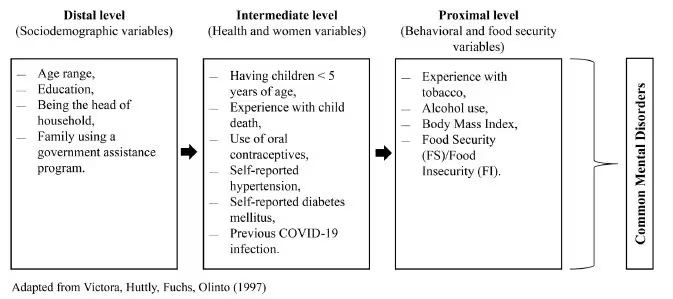
The study, published in the Revista Brasileira de Epidemiologia, surveyed 937 Indigenous women aged 20 to 59 across all 11 Indigenous ethnic groups in the region. Led by Willams Henrique da Costa Maynart and his colleagues at the Federal University of Alagoas, the population-based household investigation used a World Health Organization screening tool known as the Self-Reporting Questionnaire to measure emotional and somatic distress over a 30-day period.
What Are Common Mental Disorders And Why Do They Affect Indigenous Women So Heavily?
Common mental disorders encompass conditions such as depressive and anxiety disorders that significantly impair emotional well-being and daily functioning. While these issues affect populations globally, Indigenous women face compounding hardships stemming from colonization, social exclusion, and structural poverty.
The researchers observed that the prevalence rate of 45.3% among these communities substantially exceeds estimates recorded for the general Brazilian population and mirrors high rates seen among Indigenous groups internationally. The team evaluated numerous socioeconomic, health, and lifestyle factors using a hierarchical statistical model to understand which variables drive this vulnerability.
How Education, Household Leadership, And Family Size Shape Mental Health
Among sociodemographic factors, having fewer than 9 years of formal schooling emerged as a major independent risk factor, increasing the likelihood of mental distress by about 46%. Education often provides better access to basic rights and economic autonomy, which protects psychological health.
Additionally, about 40% of the participants were heads of household, a status also independently associated with higher rates of mental distress. While taking on leadership roles demonstrates resilience, the lack of shared community support or equitable gender roles can place an overwhelming burden on women managing households alone.
The Striking Impact Of Food Insecurity And Chronic Health Conditions
Food insecurity proved to be one of the most powerful predictors of psychological distress in the community, scaling sharply with severity. Women from families experiencing severe food insecurity had more than double the risk of mental disorders compared to those with food security.
Health conditions also played a critical role in the statistical models. Women who reported a previous COVID-19 infection had a 30% higher prevalence of mental distress, while those reporting hypertension showed an elevated risk as well. The authors note that limited health infrastructure and marginalized labor conditions exacerbated these vulnerabilities during the pandemic.
What Are The Limitations And Future Directions For Public Health?
Because the investigation relied on a cross-sectional design, the authors caution that the findings demonstrate associations rather than direct cause and effect. Bidirectional loops likely exist, where severe stress impairs a household’s ability to manage daily resources and secure adequate nutrition.
The research team emphasizes that public health policies must move beyond basic clinical treatment to address systemic challenges. Effective interventions will require intersectoral programs that combine mental health care with guaranteed food security, social protection, and culturally tailored support for Indigenous communities.
The research was published in Revista brasileira de epidemiologia = Brazilian journal of epidemiology on November 20, 2026.
This article has been fact checked for accuracy, with information verified against reputable sources. Learn more about us and our editorial process.
Last reviewed on .
Article history
- Latest version
Reference(s)
- Maynart, Willams Henrique da Costa., et al. “Prevalence and factors associated with common mental disorders among indigenous women: a population-based cross-sectional study.” Revista Brasileira de Epidemiologia, vol. 29, January 1, 2026 FapUNIFESP (SciELO), doi: 10.1590/1980-549720260055. <https://doi.org/10.1590/1980-549720260055>.
Cite this page:
- Posted by Jessica Martin