University Of Washington Researchers Map 1 Million Human Viruses And Reveal Why Most Respiratory Phages Stay Dormant
A new expandable database of 1.15 million viral genomes reveals that most respiratory phages maintain a quiet, temperate lifestyle.
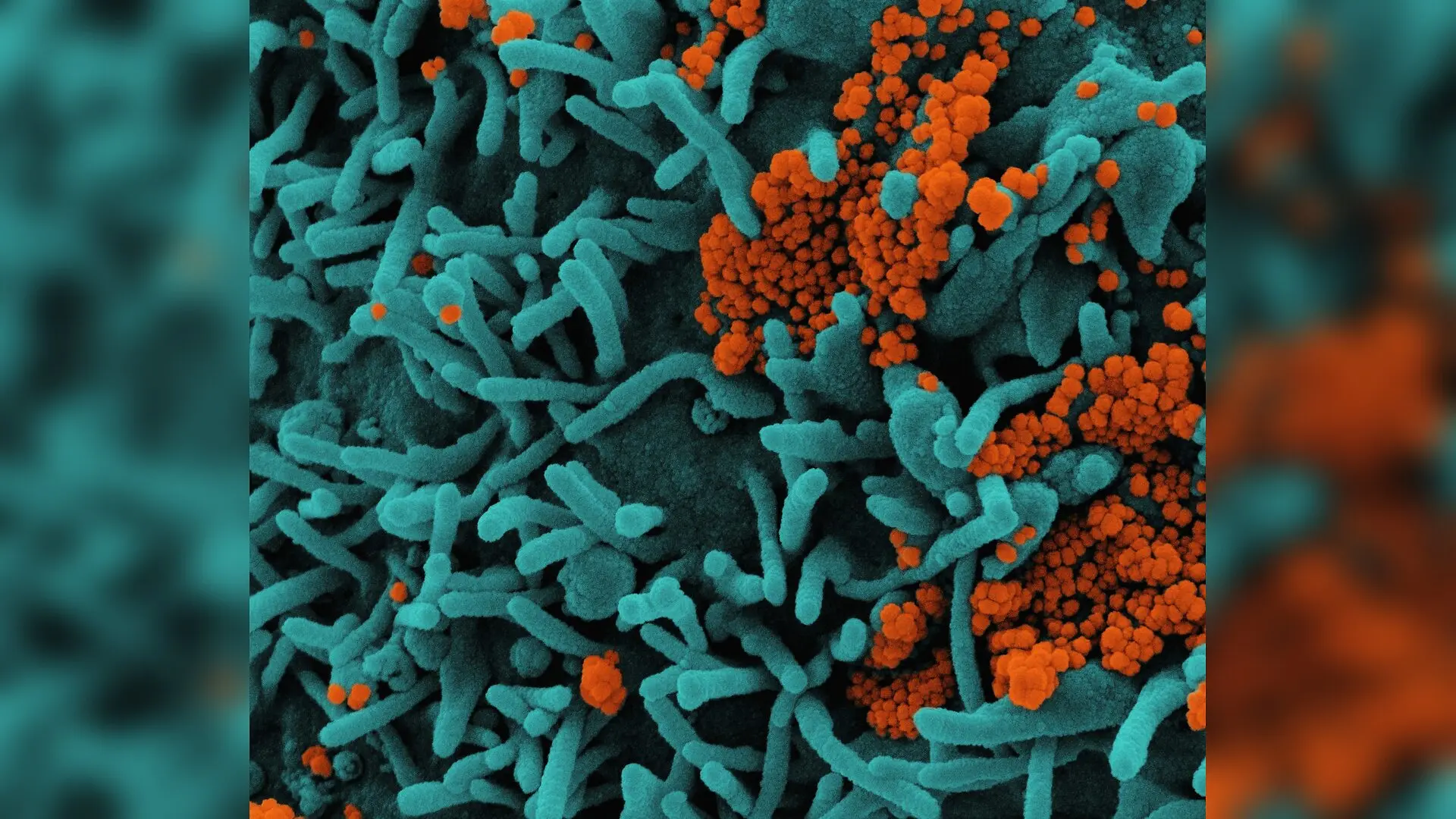
Researchers at the University of Washington mapped 1,150,000 unique virus genomes across the human body, uncovering a vast ecosystem dominated by dormant bacteriophages.
Metagenomics involves sequencing all genetic material found in a biological sample to identify the microbes living there, but analyzing viruses has long been hindered by fragmented databases. Most existing viral catalogs focus heavily on the gut, leaving microbes on the skin, airways, and urogenital tract largely unexplored. Furthermore, traditional computational methods struggle to separate active viruses from dormant viral DNA integrated into bacterial chromosomes.
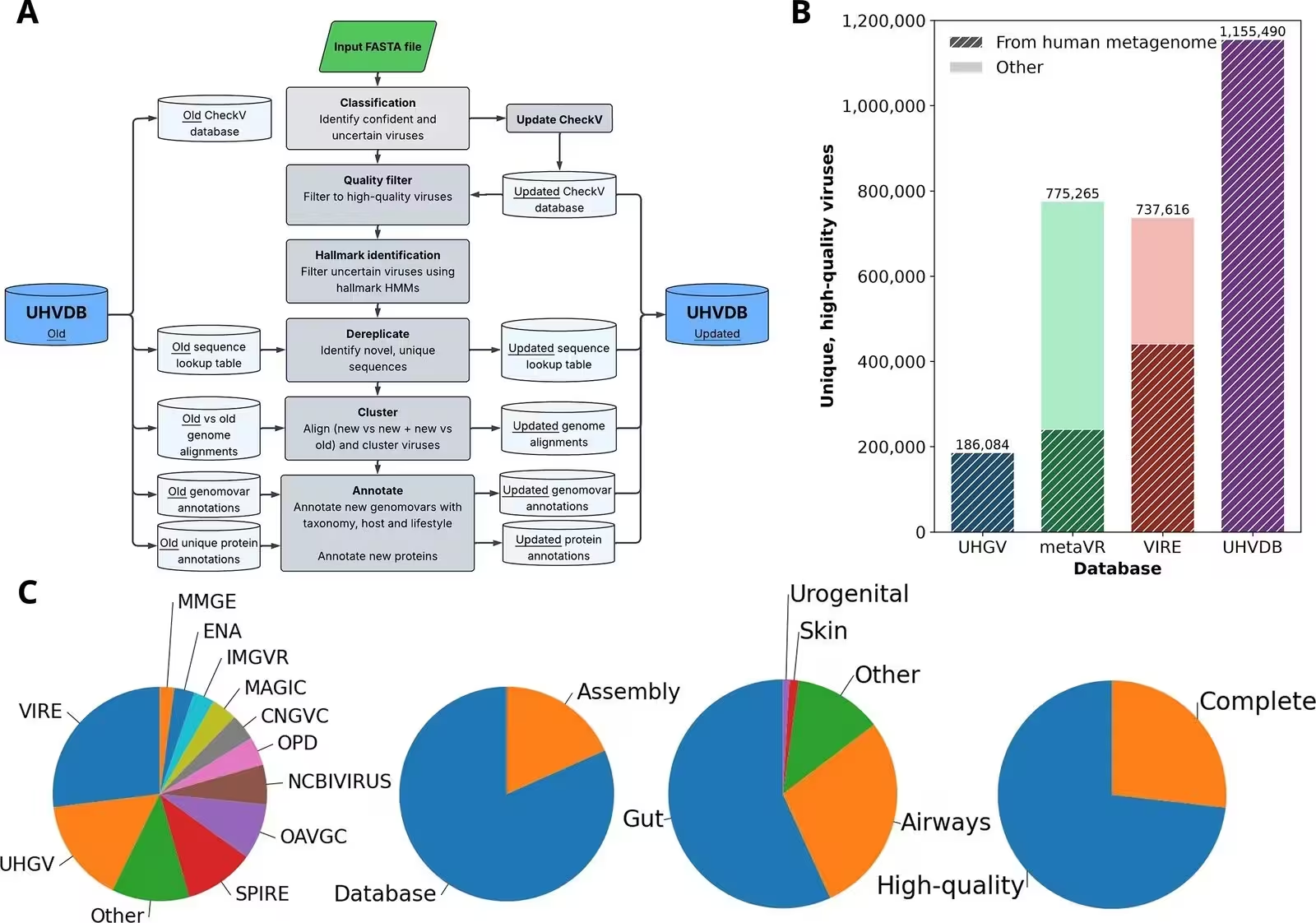
To overcome these hurdles, lead author Carson Miller and colleagues built the Updateable Human Virome Database (UHVDB) and an accompanying open-source toolkit. Their findings were published in Nucleic Acids Research. The new framework successfully integrates 15 pre-existing databases with 79,131 new human metagenome assemblies to create a standardized library of complete, high-quality viral sequences.
How Body Sites Shape Viral Diversity
The team discovered that viral species are remarkably specific to individual anatomical locations. Across the entire database, 92.9% of virus species clusters were found exclusively at a single body site. For example, filamentous phages belonging to the class Faserviricetes appeared frequently in respiratory and skin samples, whereas Malgrandaviricetes dominated gut and urogenital datasets. Viruses capable of infecting human cells, such as Papovaviricetes, accounted for 25.6% of viral genomes recovered from skin samples while remaining rare elsewhere.
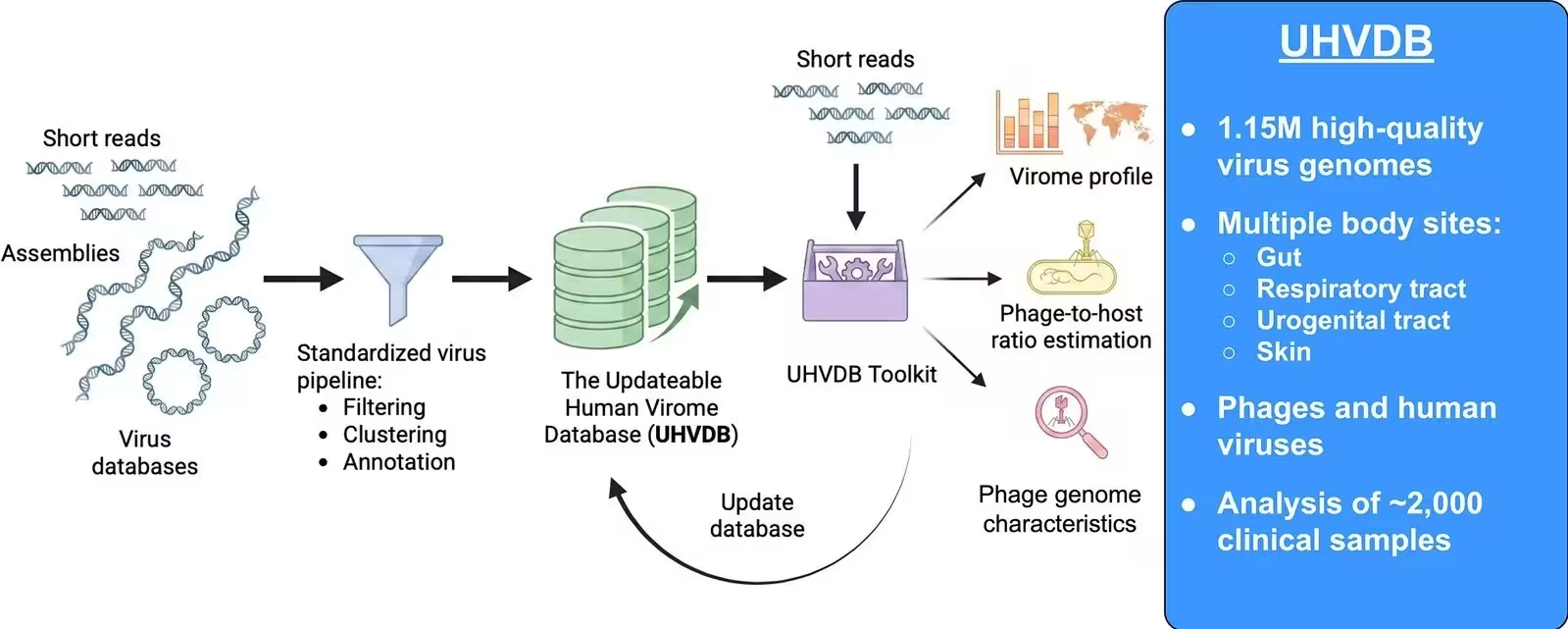
When the authors tested the comprehensiveness of their database against 400 newly sequenced metagenomes, UHVDB achieved higher genetic similarity scores than older repositories. This confirms that expanding sampling beyond the gastrointestinal tract captures a major reservoir of previously unknown viral diversity. Despite this variety, the hierarchical clustering revealed 53,506 distinct genus-level groups and 1,590 family-level groups.
Why Most Respiratory Phages Remain Quiet
To understand viral behavior in chronic illness, the researchers applied their toolkit to 1,949 respiratory samples from patients with cystic fibrosis. Cystic fibrosis lung disease features persistent bacterial infections, making phage therapy an appealing alternative to traditional antibiotics. However, the analysis showed that 74.7% of the identified phages possessed a temperate lifestyle, meaning they integrate into bacterial genomes rather than destroying their hosts immediately.
The team calculated phage-to-host ratios by comparing viral DNA abundance to bacterial gene copy numbers. Most respiratory phages maintained a 1-to-1 ratio with their bacterial hosts, suggesting that active viral replication remains rare in these clinical samples. While conventional pathogens like Pseudomonas aeruginosa occasionally showed elevated replication markers, the widespread dominance of dormant phages suggests that naturally occurring viral attacks are infrequent.
What Distinguishes Active from Inactive Viruses
Distinguishing between lytic viruses that kill bacteria and harmless prophages is essential for environmental and medical applications. By comparing 39 paired fecal samples with and without cellular enrichment, the team identified reliable genomic signals of viral inactivity. Inactive prophages often displayed truncated genomes, low breadth of coverage, and diminished densities of essential structural genes like major capsids and tails.
Applying a minimal filter based on these structural hallmarks successfully retained active viral detections while eliminating roughly 40% of dormant signals. The authors note that while these metrics provide a practical starting point, larger cohorts will be necessary to refine machine learning models for viral activity tracking. The UHVDB toolkit remains fully updateable, allowing researchers to incorporate newly discovered sequences as metagenomic sequencing continues to expand worldwide.
The research was published in Nucleic acids research on November 26, 2026.
This article has been fact checked for accuracy, with information verified against reputable sources. Learn more about us and our editorial process.
Last reviewed on .
Article history
- Latest version
Reference(s)
- Miller, Carson J., et al. “The Updateable Human Virome Database and toolkit: a novel framework for human virome analysis.” Nucleic Acids Research, vol. 54, no. 22, November 26, 2026 Oxford University Press (OUP), doi: 10.1093/nar/gkag1283. <https://doi.org/10.1093/nar/gkag1283>.
Cite this page:
- Posted by Omar Mirza