Satellite Tagging Wounds in Whales Follow Predictable Healing Stages
A multi-year study reveals that shallower whale telemetry implants do not necessarily cause milder tissue responses than deeper anchors.
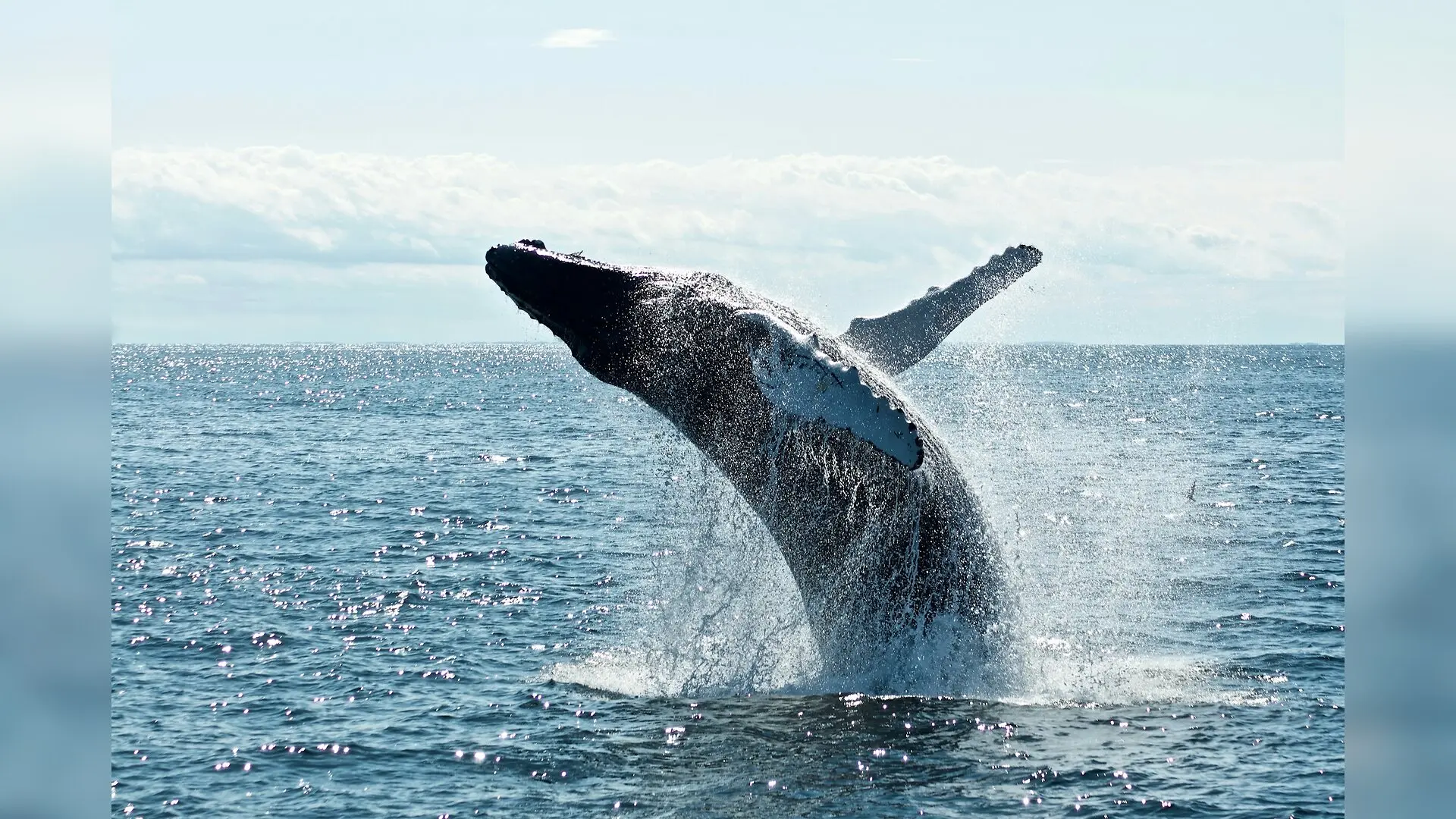
Southern right whales wearing satellite tracking devices experience predictable healing stages, with photographic evidence showing that deeper tissue implants do not cause more severe wounds than shallower ones. The research tracked 41 southern right whales (Eubalaena australis) in the coastal waters of Argentina between 2019 and 2022 to examine how their bodies react to invasive monitoring equipment. The findings, published in Royal Society Open Science, offer new insight into animal welfare during wildlife telemetry studies.
How Whale Wounds Heal Over Seventy Days
Scientists deployed two distinct types of fully integrated consolidated satellite tags: transdermal tags that anchor at or below the muscle fascia layer, and blubber-only tags that anchor exclusively within the subcutaneous blubber. Using high-resolution cameras and drones, the research team monitored the implantation sites for up to 70 days post-deployment. The external wounds followed a clear, four-stage chronological sequence consisting of an initial bulge or swelling, tissue extrusion, tissue remodeling, and final stabilization. Swelling typically peaked within the first 10 days before receding as the wound remodeled.
Why Shallower Implants Did Not Reduce Trauma
Contrary to expectations, tags anchored only in the blubber did not elicit milder wound scores than the deeper transdermal implants. During the initial 30 days of shared observation, blubber-only tags generally exhibited higher swelling scores, greater skin loss, more pronounced blubber extrusion, and deeper tissue depression than their transdermal counterparts. The authors suggest that anchoring configuration and tag-tissue interaction play a more critical role in determining local tissue responses than implantation depth alone.
- Swelling: Reached higher scores in ringed blubber-only tags compared to smooth-surfaced alternatives.
- Skin Loss: Was significantly influenced by tag surface characteristics and anatomical placement on the dorsal surface.
- Tag Egress: Occurred more rapidly in blubber-only deployments, particularly when placed perpendicularly.
Long-Term Health and Reproductive Success
Opportunistic resightings months and years after tagging provided reassurance regarding the long-term health of the animals. Ten females carrying transdermal tags were resighted between 8 and 71 months post-deployment. Most had successfully shed their tags, leaving behind a localized tissue depression and healed scar tissue. Crucially, these females were observed swimming with newborn calves or showing signs of advanced pregnancy, indicating that the temporary tissue response did not impair their reproductive success.
Implications for Future Wildlife Conservation
Telemetry data remain essential for documenting cetacean migration routes, habitat use, and potential overlaps with human activities such as commercial shipping and fishing. By demonstrating that photograph-based assessment can objectively track wound healing without invasive procedures, the study provides a standardized framework for future wildlife monitoring. The authors emphasize that systematic follow-up remains vital to ensure that conservation technology maintains high standards of animal welfare while gathering indispensable ecological data.
The research was published in Royal Society open science on November 18, 2026.
This article has been fact checked for accuracy, with information verified against reputable sources. Learn more about us and our editorial process.
Last reviewed on .
Article history
- Latest version
Reference(s)
- Uhart, Marcela M.., et al. “Photographic assessment of tissue responses to consolidated implantable telemetry tags in southern right whales ( Eubalaena australis ).” Royal Society Open Science, vol. 13, no. 11, November 18, 2026 The Royal Society, doi: 10.1098/rsos.261674. <https://doi.org/10.1098/rsos.261674>.
- Posted by Omar Mirza