Surprising Climate Cycles Can Triple Threatened Fish Numbers
Shorter wet-dry cycles boost Utah Lake’s June sucker population, but continuous water level drops threaten extinction within 150 years.
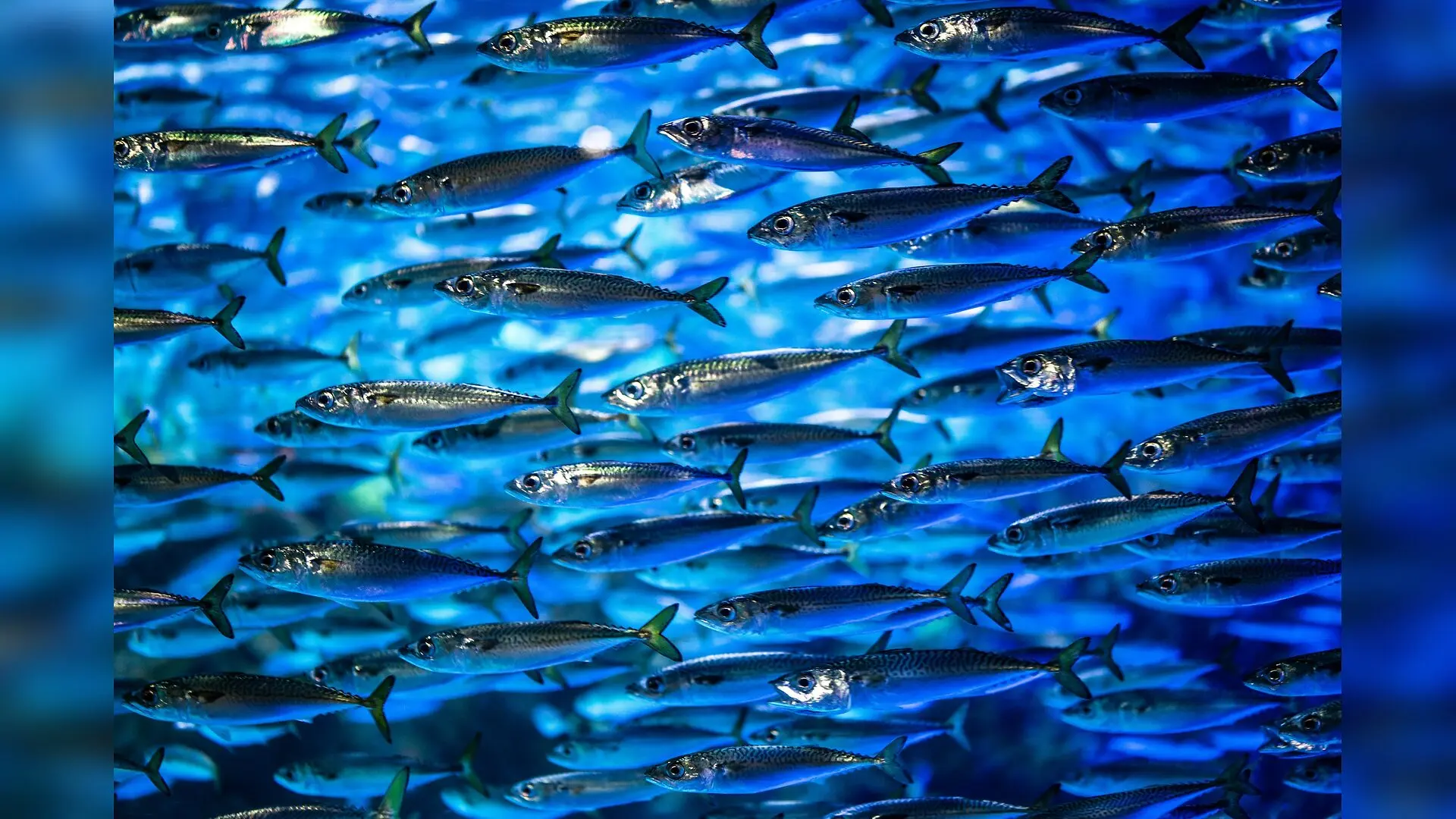
A threatened, long-lived freshwater fish species native to Utah Lake could face surprising demographic shifts under future climate scenarios, with certain rainfall and lake-level cycles actually boosting its numbers before long-term droughts take a heavy toll. Researchers used computer models to project the survival of the June sucker (Chasmistes liorus) over a 200-year span, finding that while erratic river flows and shrinking waters threaten the species, faster wet-and-dry cycles can surprisingly triple the population under specific conditions.
The study, published in Ecology and Evolution, examined how climate change alters the Intermountain West region of North America. Rising temperatures in mountainous areas are turning winter snowfall into erratic rainfall, which destabilizes river flows and causes severe fluctuations in shallow water bodies like Utah Lake. Because June suckers live for decades and reproduce only when environmental conditions align favorably, scientists wanted to know how these shifting weather patterns would impact their survival.
How Do Changing Climate Cycles Impact June Sucker Survival Rates?
To understand these dynamics, the researchers utilized a matrix population model incorporating seven distinct life stages, ranging from young-of-year larvae to adult spawners aged 20 and older. They tested four main climate scenarios over 200 years, including increased river flow stochasticity, a wider amplitude in lake level variations from 1 meter to 1.5 meters, a gradual 0.5-meter drop in average annual lake levels, and shortened wet-dry cycles ranging from 30 years down to 6 years.
The results challenged initial assumptions that all climate alterations would harm the threatened fish. When the natural wet-and-dry climate cycle of Utah Lake was shortened from 30 years down to a 10-year period, the total population of June suckers surged by an impressive 226 percent over 200 years, while adult spawners doubled. The authors suggest this shorter periodicity matches the evolved life history strategy of the fish better than longer cycles.
What Happens When Lake Levels Begin to Drop Continuously?
Despite the positive boost from compressed climate cycles, scenarios involving continuous drops in average water levels spelled disaster for the endemic fish. A cumulative 0.5-meter decline in average annual lake level over the simulation period led to near extinction within 150 years. Even when combined with the beneficial 10-year wet-dry cycle, a continuous downward trend in water depth eventually overpowered the positive effects and drove the population down by 98 percent.
The catastrophic decline stems from the geography of Utah Lake, which is exceptionally shallow with a flat lakebed. A small drop in average water level sharply reduces the total surface area and destroys shallow, vegetated nearshore habitats. Young June suckers rely heavily on these areas as refuge zones to hide from predators during their vulnerable early life stages.
Can Conservation Strategies Save the Threatened Fish From Extinction?
The researchers note that their model held vital rates constant and did not account for natural evolutionary adaptation, largely because hatchery-raised fish are continually added to Utah Lake through ongoing augmentation programs. These hatchery releases help maintain current population numbers around 3,500 spawning adults but may also reduce natural selection pressures by helping young fish bypass early-life survival bottlenecks.
The findings emphasize that water management and conservation programs must focus heavily on preventing long-term lake level declines while maintaining natural hydrological flows. Ensuring that Provo River inflows and lake elevation cycles remain within favorable thresholds will be essential for keeping the June sucker population stable in a rapidly warming world.
The research was published in Ecology and evolution on November 17, 2026.
This article has been fact checked for accuracy, with information verified against reputable sources. Learn more about us and our editorial process.
Last reviewed on .
Article history
- Latest version
Reference(s)
- Orocu, Brenden M.., et al. “Effects of Climate Change on the Population Dynamics of a Long‐Lived Fish.” Ecology and Evolution, vol. 16, no. 11, November 17, 2026 Wiley, doi: 10.1002/ece3.74666. <https://doi.org/10.1002/ece3.74666>.
Cite this page:
- Posted by Omar Mirza