Surprising Study Reveals American Indian Youth Friendships Defy Mainstream Teen Peer Trends
Investigation of Northern Plains reservation schools shows substance use plays almost no role in adolescent friendship formation
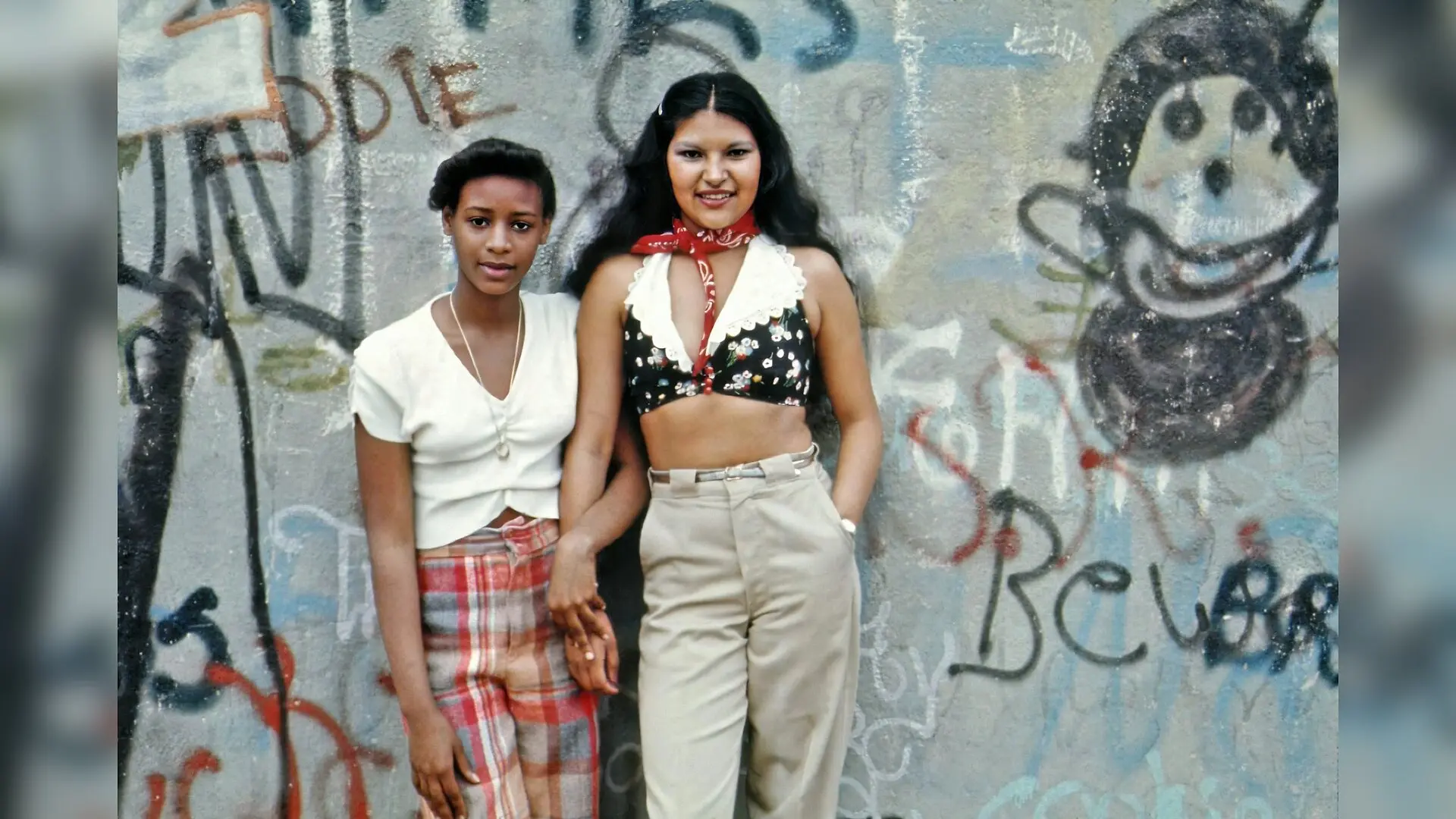
American Indian teenagers attending reservation schools build their friendships around shared classes and mutual trust rather than risky behaviors, according to a social network study that challenges long-held assumptions about adolescent peer pressure. While conventional public health research typically links youth substance use to popularity and friendship formation, investigators discovered that alcohol, tobacco, and marijuana consumption play almost no role in driving peer connections within these indigenous-majority communities.
The research team gathered first-hand social network data from 247 students in the 9th and 10th grades across three distinct schools on a Northern Plains reservation. The participating institutions represented a diverse cross-section of educational environments, including a small tribal school in an isolated village, a larger tribal school, and a private college-preparatory institution. To analyze the complex web of peer interactions, the study published in PLoS One utilized advanced statistical frameworks known as exponential random graph models.
When analyzing the structural forces shaping adolescent relationships, the authors identified several universal mechanisms that cut across different cultures. Mutual reciprocity stood out as a powerful driver of connection, with reciprocity rates ranging from 93.3 percent to 97.7 percent across the schools. Students also exhibited a strong tendency toward triadic closure, meaning that friends of friends frequently became friends themselves.
Demographics Dictate Ties While Substance Use Fades Into the Background
Demographic commonalities emerged as the primary scaffolding for adolescent friendships in these reservation schools. Shared grade levels, gender identities, and sexual orientations consistently predicted whether students formed ties with one another. These demographic patterns mirrored the social sorting seen in racially heterogeneous schools studied by past researchers.
However, individual attributes that typically predict friendships in mainstream schools showed little to no influence in this reservation context. Substance use, including alcohol, tobacco, and marijuana, showed no consistent association with sending or receiving friendship nominations. Depressive symptoms and the strength of American Indian identity affirmation similarly failed to act as major organizing principles for peer selection.

Cultural Context and Community Norms Reshape Adolescent Ecologies
The absence of substance-driven friendship formation highlights the unique social ecology of American Indian reservation schools. In mainstream, racially diverse schools, risky behaviors often confer social status and serve as a currency for peer acceptance. In contrast, tight-knit reservation communities often prioritize kinship obligations, collectivism, and egalitarianism over individual status competition.
The investigators noted that substance use and emotional distress are frequently viewed through the lens of historical trauma and systemic challenges rather than as individual deviance or status symbols. Consequently, these behaviors do not function as social magnets for friendship. The findings suggest that standard network-based prevention programs, which rely on the assumption that youth befriend peers who use substances, may require significant recalibration to fit culturally grounded community environments.
Institutional Variations Across Reservation Settings
While substance use generally did not dictate social ties, the research revealed subtle variations across the three participating schools. The private preparatory school, which operated in a more status-conscious environment, exhibited a centralized popularity hierarchy and a slight positive association between alcohol use and the initiation of friendships. Larger school sizes and distinct institutional settings appeared to amplify certain peer differentiation patterns.
The authors acknowledge several limitations, including the cross-sectional design of the survey, which captures a single snapshot in time and cannot distinguish whether students select friends with similar traits or influence one another over time. Future longitudinal studies will be essential to track how these networks evolve during critical school transitions and to explore strengths-based connections that can inform culturally resonant health interventions.
The research was published in PloS one on November 17, 2026.
This article has been fact checked for accuracy, with information verified against reputable sources. Learn more about us and our editorial process.
Last reviewed on .
Article history
- Latest version
Reference(s)
- Zhang, Shuwen., et al. “Beyond generalizations: Understanding adolescent social networks in American Indian communities.” PLOS One, vol. 21, no. 11, November 17, 2026, pp. e0362373 Public Library of Science (PLoS), doi: 10.1371/journal.pone.0362373. <https://doi.org/10.1371/journal.pone.0362373>.
- Posted by Linda Wilson