Researchers Sequence Seven New Placozoan Genomes And Reveal Polyplacotoma Possesses The Smallest Genome Yet
New genomic data from seven placozoan species sheds light on how intron sizes and chromosomal rearrangements shaped the evolution of simple marine animals.
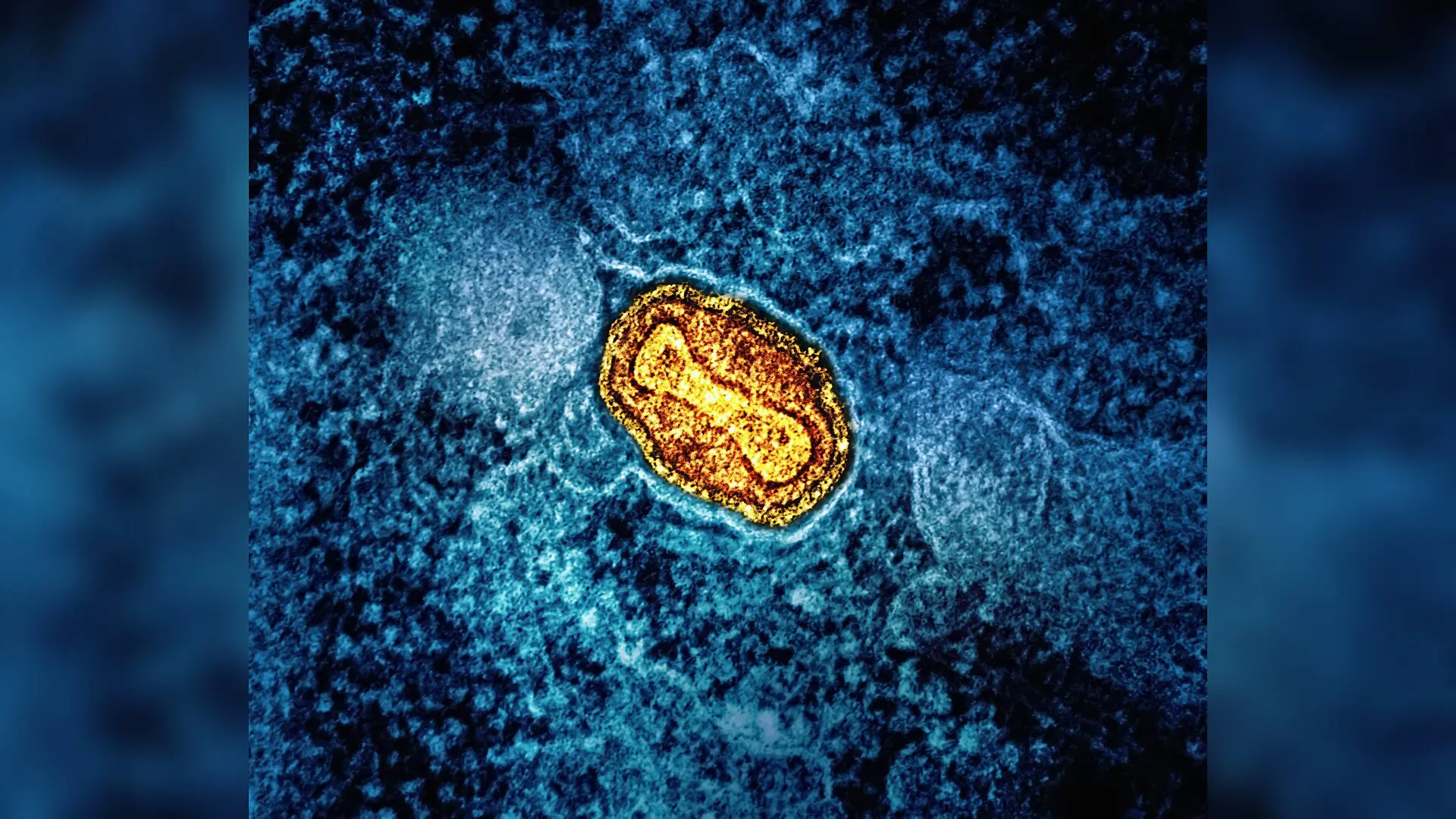
Researchers sequenced 7 novel placozoan genomes to map the evolutionary history of the tiny, nerve-free marine animals, revealing that Polyplacotoma mediterranea possesses the smallest genome in the phylum at just 75 Mb. These animals lack nerve or muscle cells entirely and feature a flat, amoeba-like body plan that has baffled biologists for over a century. Because their microscopic size and cryptic lifestyle make them notoriously difficult to study in the wild, genetic data remain essential for understanding how early animal lineages evolved.
Placozoans are among the simplest living multi-cellular animals, possessing a basic body plan with only a few distinct cell types. While their simple anatomy suggests an ancient split from other animal groups, the exact timeline and relationships within the phylum have remained deeply controversial. Kai Kamm and colleagues from the University of Veterinary Medicine Hannover filled crucial phylogenetic gaps by generating high-quality genomic assemblies, which are published in PLOS One. The team used short read sequencing technology to overcome the major hurdle of obtaining sufficient DNA from organisms that measure only about 10 mm across at their largest.
Why Is Polyplacotoma So Exceptionally Small?
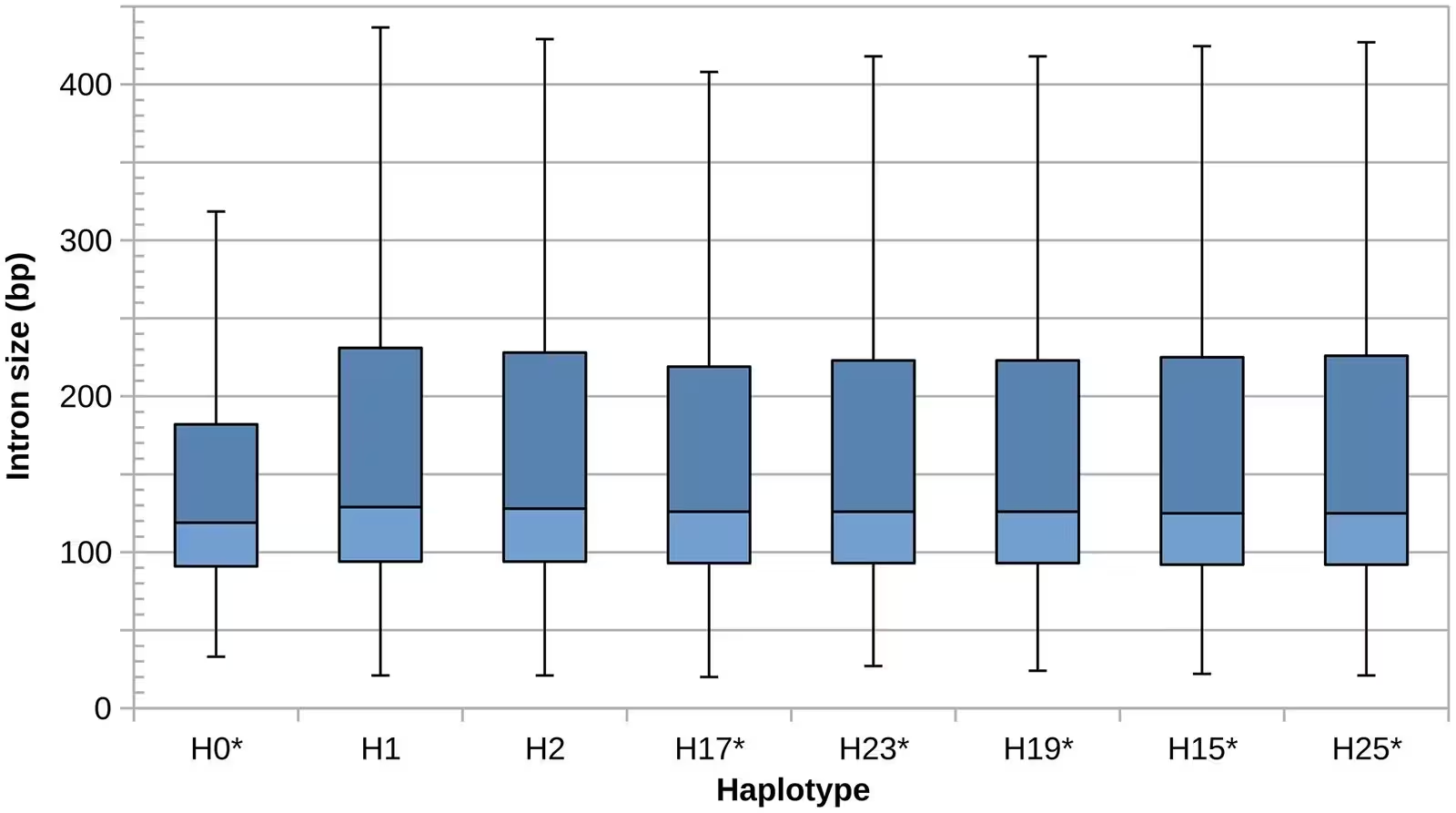
The newly analyzed genome of Polyplacotoma mediterranea stands out by being significantly more compact than any other placozoan sequenced so far. Across the phylum, genome sizes typically range from 75 Mb to 95 Mb, with most species housing around 12,000 protein-coding genes. In contrast, Polyplacotoma makes do with only 10,608 genes and features noticeably shorter introns, which are the non-coding sections interspersed within genes. Statistical analysis showed that the upper quartile of intron sizes is compressed in this species, driving down its overall genomic footprint.
How Do Chromosomal Structures Compare Across Species?
To understand how these genomes shifted over time, the researchers examined synteny, which measures the preserved order of genes along chromosomes. By mapping different genomes against the reference scaffold of Trichoplax adhaerens, the team uncovered varying degrees of chromosomal reorganization. While species within the genus Trichoplax showed high collinearity with almost no major rearrangements, genomes belonging to the class Polyplacotoma displayed extensive inversions and structural breaks. Whole genome alignments confirmed that sequence divergence tracks closely with established taxonomic ranks, mirroring patterns seen in other major animal groups.
When Did Modern Placozoan Lineages First Emerge?
By comparing placozoan genome similarity values against vertebrate, insect, and cnidarian groups with well-dated fossil records, the authors estimated divergence timelines. The data suggest that modern placozoan diversity likely arose through an evolutionary radiation happening 100 to 300 million years ago, rather than dating back to the Cambrian explosion or earlier. This broad time span indicates that many ancient lineages may have gone extinct or await future discovery in marine environments.
The research was published in PloS one on November 25, 2026.
This article has been fact checked for accuracy, with information verified against reputable sources. Learn more about us and our editorial process.
Last reviewed on .
Article history
- Latest version
Reference(s)
- Kamm, Kai., et al. “Seven novel short read genomes of placozoans.” PLOS One, vol. 21, no. 11, November 25, 2026, pp. e0362953 Public Library of Science (PLoS), doi: 10.1371/journal.pone.0362953. <https://doi.org/10.1371/journal.pone.0362953>.
Cite this page:
- Posted by Linda Wilson