Small Startups Outrank Tech Giants in New Generative AI Consumer Preference Study
A new survey reveals that users prioritize data accuracy and low subscription fees over brand recognition when choosing artificial intelligence tools.
When five hundred consumers were surveyed about generative artificial intelligence services, they revealed a surprising preference for smaller startup providers over tech giants, provided the tools offer accurate information and clear pricing.
The research, published in PLOS One by Minjung Shon, investigates how everyday users evaluate different features of generative artificial intelligence applications. The study examines how factors such as data accuracy, source transparency, bias verification, and monthly subscription fees influence consumer choices and market competitiveness.
Why Do Consumers Prioritize Accuracy Over Real-Time Updates?
Generative artificial intelligence refers to computing systems that generate entirely new content based on patterns learned from training data, moving beyond traditional search engines that merely retrieve existing documents. As these applications flood the market, smaller businesses face intense pressure to stand out against major technology conglomerates that possess vast computational power and proprietary datasets. To understand what drives consumer adoption, the author utilized a conjoint analysis combined with a mixed logit model, a statistical technique that evaluates how people trade off various product attributes.
The survey of five hundred adults in the Republic of Korea, conducted in August 2024, revealed that users place the highest value on data accuracy and verification rather than having access to real-time information. Consumers showed a strong willingness to pay an extra three thousand and forty Korean won per month for verified and accurate outputs, compared to about twenty-one hundred Korean won for results reflecting the latest data. This indicates that users treat these applications primarily as decision-support tools for professional and business tasks, where incorrect information carries substantial personal or financial risk.
How Does Pricing Dictate Market Dominance?
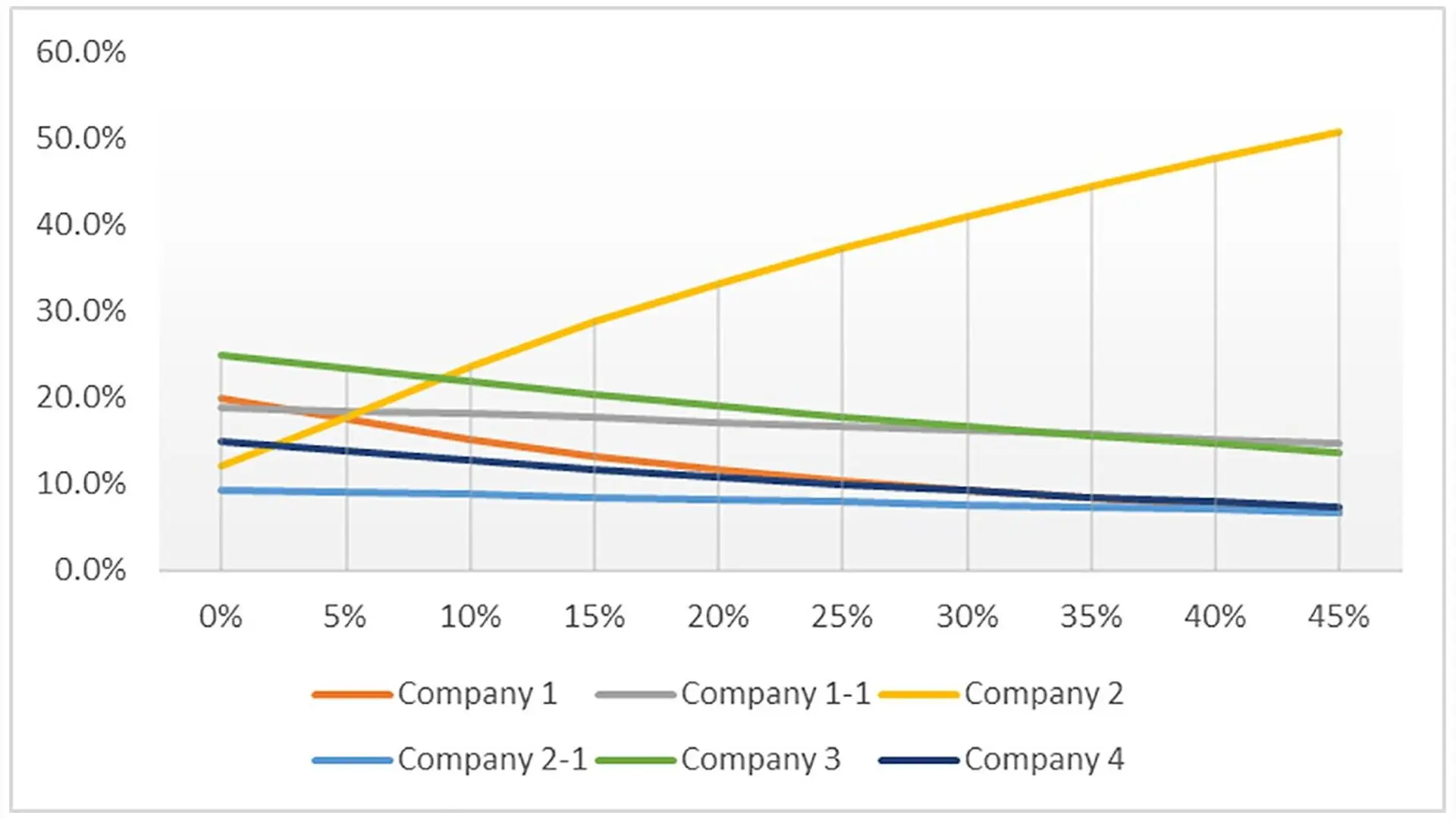
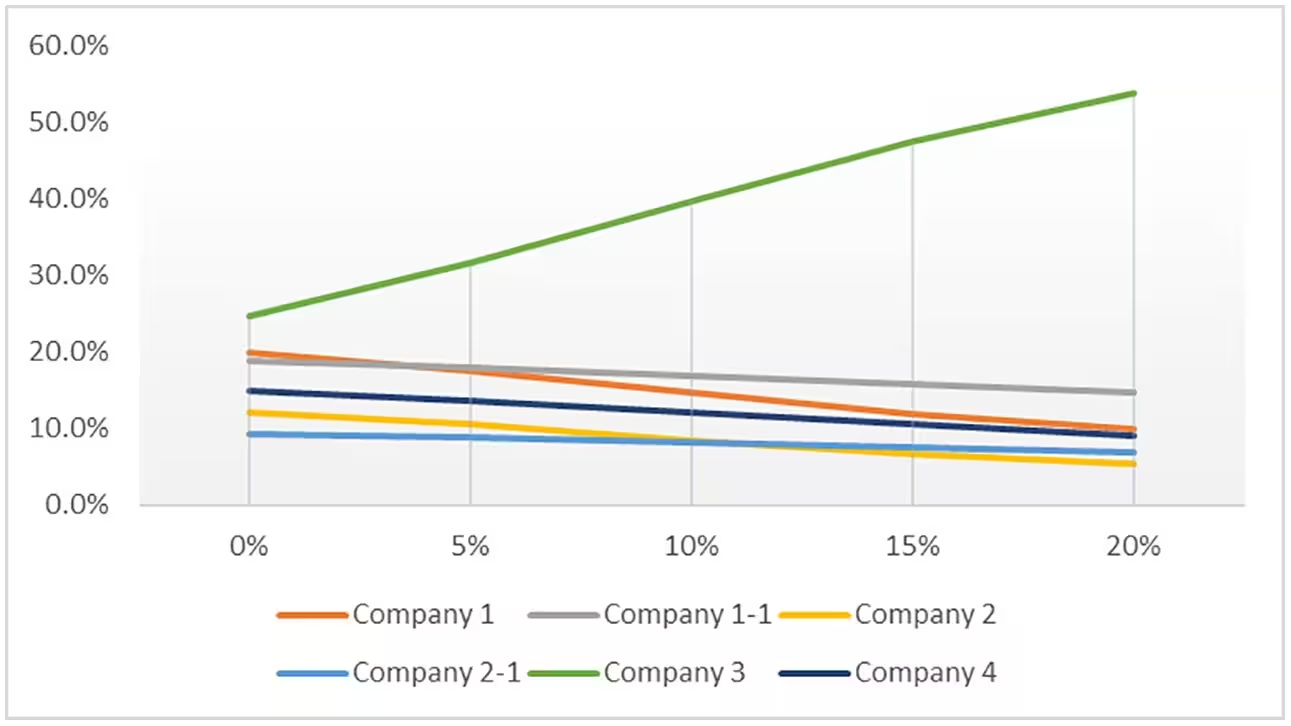
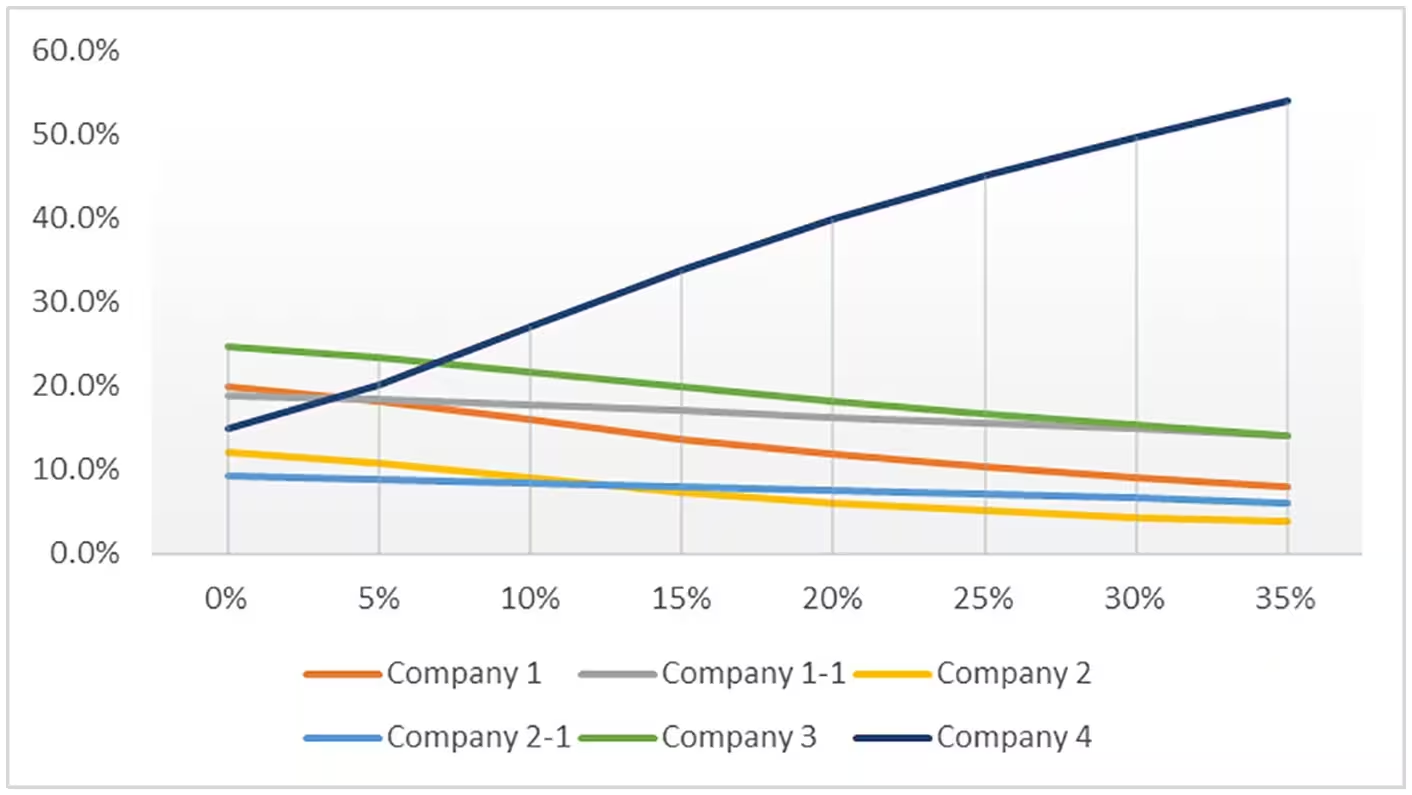
Subscription fees emerged as the single most influential factor in consumer decision-making, accounting for nearly half of the relative importance in the model at 48.49 percent. Market simulations conducted by the author demonstrated that even when a service features strong attribute configurations, price discounts are often required to capture a majority share. For instance, small venture companies offering well-designed business applications could surpass a fifty percent market share with a seventeen percent price reduction, whereas established global conglomerates required discounts of up to forty-four percent to achieve the same dominance due to consumer sensitivity to monthly costs.
Transparency and trust attributes also played a significant role in shaping user preferences. Providing clear data source disclosures increased consumer valuation, as did verifying that training datasets were free from gender, racial, or cultural biases. Interestingly, consumers exhibited a much stronger preference for checking data bias than for verifying personal data protection measures, pointing to an outcome-oriented mindset where users focus primarily on the fairness and reliability of the final output rather than backend privacy protocols.
Can Small Startups Outcompete Technology Giants?
One of the most unexpected findings was that respondents did not exhibit a statistically significant preference for global or domestic conglomerates over the baseline, while small and venture companies received a significantly positive evaluation. Under identical service attributes and pricing, simulated market shares suggested that smaller firms could attract up to 24.8 percent of the market, frequently outperforming large enterprise competitors. The author notes that these findings point to an open application service layer where product quality and feature alignment outweigh brand reputation alone.
However, the study carries important limitations that should be considered. The data relies on stated preferences from a hypothetical choice experiment rather than observed real-world purchasing behavior. Furthermore, because the survey was restricted to Korean consumers with prices denominated in local currency and conducted in late 2024, the specific monetary values and competitive dynamics may not translate directly to other global regions or rapidly shifting technology landscapes. Future research will need to explore how these consumer valuation patterns evolve as generative artificial intelligence matures and expands into business-to-business markets.
The research was published in PLOS One on November 25, 2026.
This article has been fact checked for accuracy, with information verified against reputable sources. Learn more about us and our editorial process.
Last reviewed on .
Article history
- Latest version
Reference(s)
- Shon, Minjung. “Designing competitive generative AI services: Consumer preferences and pricing implications for SMEs and venture companies.” PLOS One, vol. 21, no. 11, November 25, 2026, pp. e0362475 Public Library of Science (PLoS), doi: 10.1371/journal.pone.0362475. <https://doi.org/10.1371/journal.pone.0362475>.
Cite this page:
- Posted by Omar Mirza