Hertie School Expert Reveals Why Water Pollution Evaluations Fail, And How Communities Can Rebuild Trust
Traditional project metrics miss the emotional toll of contamination, but social learning frameworks could bridge the gap.
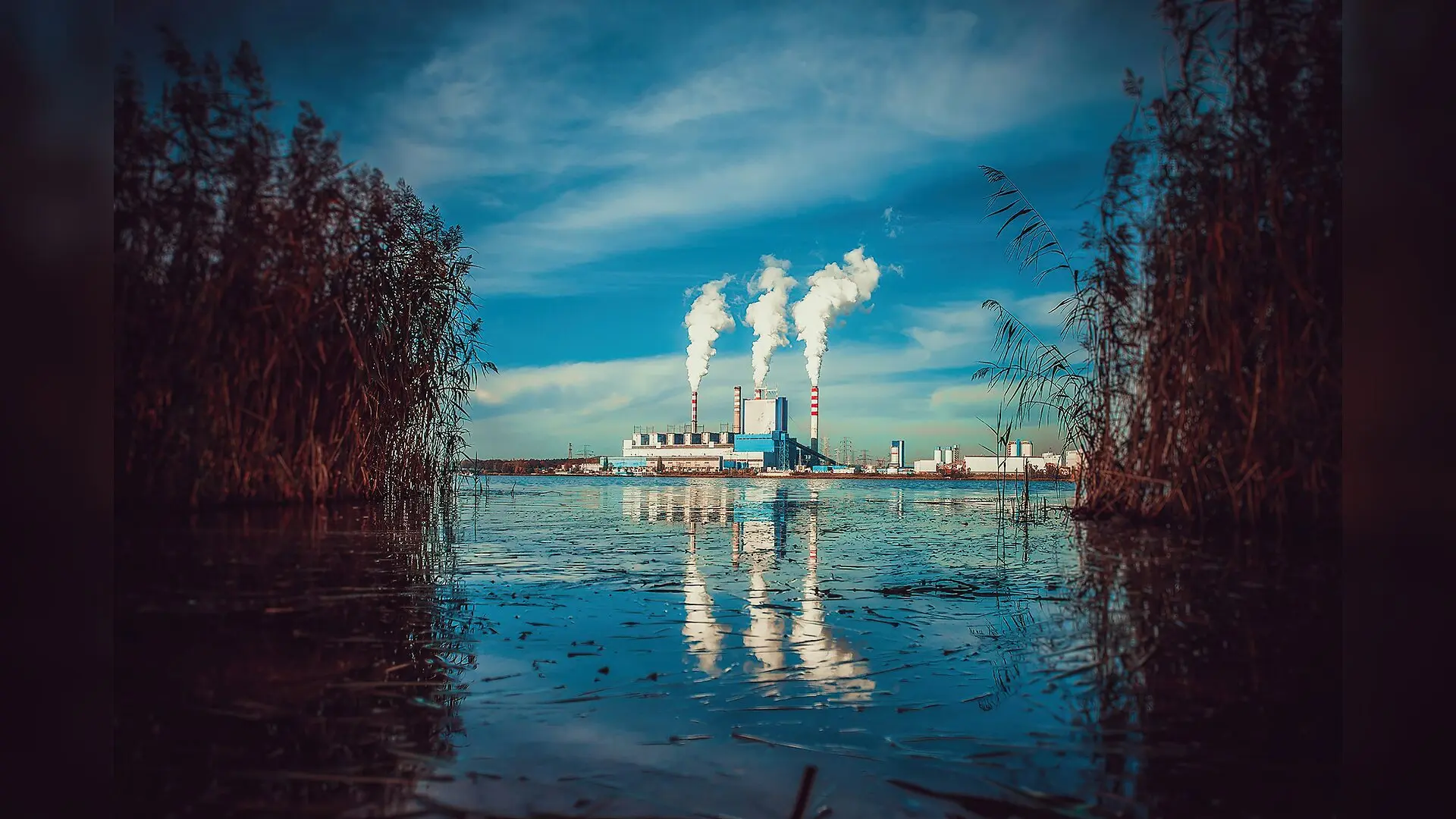
When communities face the profound disruption of water pollution, traditional project evaluations often fail to spark meaningful learning or behavior change. Monika Weber-Fahr, an adjunct professor at the Hertie School of Governance in Berlin, examines why conventional metrics fall short in aquatic environments and proposes a new framework centered on social trust and shared principles.
Evaluations typically aim to ensure accountability or generate learning, but achieving actual behavior change based on external reviews is rare. Water pollution adds an intense psychological barrier to this process because it represents a fundamental breach of trust within a community. When rivers or groundwater suffer contamination from agricultural runoff or industrial waste, the resulting anxiety, anger, and loss of trust hinder open communication. Published in Integrating for Sustainability, the research argues that evaluators must actively address these deep socio-emotional dimensions rather than relying solely on rigid performance targets.
How Did Water Shape Human Societies And Institutions?
Human civilizations have always developed in close connection with water bodies, anchoring settlements along river networks for trade and agriculture. This intimate reliance extends beyond physical survival into cultural values, spiritual beliefs, and political governance structures. In the Netherlands, historic flood management challenges gave rise to regional water authorities as early as 1255, fostering enduring national values of cooperation and communal care. Similarly, traditional systems like the Balinese Subak utilize canals and ritual practices to govern water distribution among farmers in a framework of harmony. These historical ties mean that water pollution does more than degrade a natural resource, as it strikes at the core of community identity and social order.
What Makes Water Pollution So Complex To Evaluate?
Water management is inherently a zero-sum game where one user’s gain often translates to another’s loss, complicating remediation efforts. Contamination sources divide into point sources like factory discharge and nonpoint sources like agricultural pesticides flowing off fields. Global data highlights the scale of the challenge, with only about 56 percent of household wastewater safely treated prior to discharge in 2020. Furthermore, monitoring agencies now face emerging contaminants, including pharmaceuticals and forever chemicals known as PFAS, for which safety standards remain difficult to establish. Because solving these issues requires broad coordination among competing users, standard evaluation methods that ignore local power dynamics and emotional friction struggle to capture the true requirements of recovery programs.
Why Do International Financial Institutions Miss The Mark?
A high-level review of portfolio evaluations from major development banks reveals a significant gap in addressing pollution through trust-building frameworks. Assessments of World Bank and Asian Development Bank water portfolios show that projects frequently focus narrowly on technical performance indicators while omitting principles-based design. Terms associated with trust and social cohesion rarely appear in pollution management evaluations, and cross-departmental collaboration remains difficult to achieve. While some agencies successfully deploy integrated water resources management approaches, explicit efforts to rebuild societal relationships in the wake of contamination events are largely absent from institutional funding strategies.
Could Communities Of Practice Transform Future Evaluations?
To overcome these barriers, evaluators can leverage communities of practice, which are groups of people who interact regularly to solve shared problems and build collective knowledge. Research shows that these collaborative settings generate relational, technical, and transformational value by aligning the human context with the hydrological reality. By embedding evaluation teams within ongoing social learning processes, projects can explore the underlying principles that matter to affected populations. This approach shifts the focus from external judgment to shared ownership, offering a reliable pathway for communities to restore trust and take informed action for cleaner water.
The research was published in Integrating for Sustainability on November 28, 2026.
This article has been fact checked for accuracy, with information verified against reputable sources. Learn more about us and our editorial process.
Last reviewed on .
Article history
- Latest version
Reference(s)
- Weber-Fahr, Monika. “Building Trust While Learning: Evaluating Actions that Take on Water Pollution.” Integrating for Sustainability, November 28, 2026, pp. 93-112. Springer Nature Switzerland, doi: 10.1007/978-3-032-34870-8_6. <https://doi.org/10.1007/978-3-032-34870-8_6>.
Cite this page:
- Posted by Anjali Singh