University Biology Teacher Training Falls Short In Scientific Reasoning And Needs Major Reforms
New research reveals that disconnected university courses and unguided substitute teaching leave prospective biology educators underprepared for inquiry-based instruction.
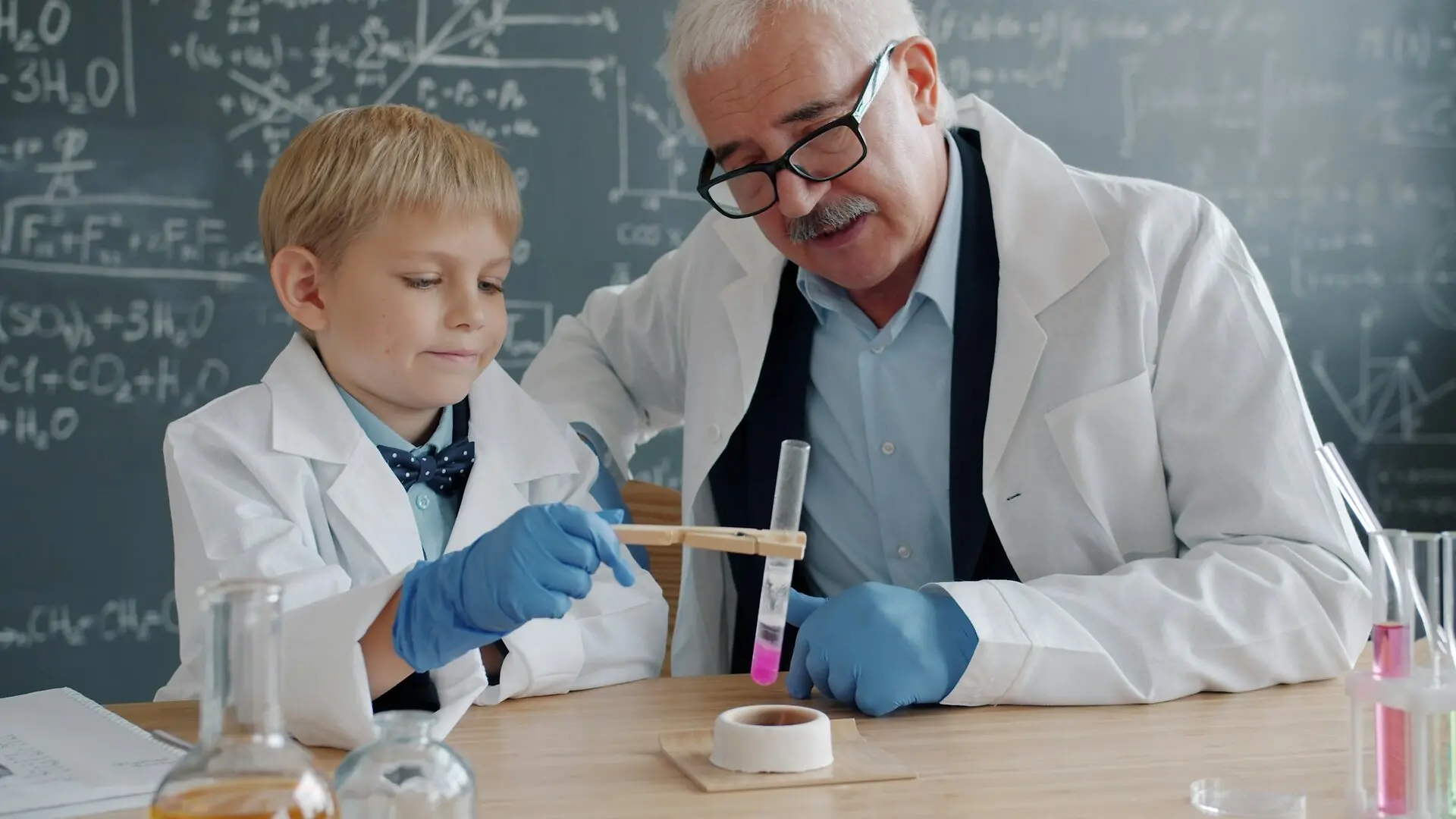
University biology teacher training programs often fail to provide sufficient opportunities for future educators to master scientific inquiry, pointing to a major gap between educational policy goals and actual classroom preparation. Scientific reasoning competencies, which allow students to understand how scientific knowledge is generated and tested, are widely recognized as a core educational target in schools across the globe.
However, researchers note that prospective biology teachers frequently struggle to develop robust methodological knowledge during their undergraduate and graduate studies. Anna Maria Rotermund and Moritz Krell address this structural disconnect in a study published in Forschung zu Kompetenzen der Erkenntnisgewinnung: Zukunftsweisende Praxis, examining how universities can better shape professional competencies during the initial phase of teacher education. The authors explore why current university structures hinder the acquisition of these vital skills and how external pressures like teacher shortages impact professional growth.
Why Methodological Knowledge Stays Low During University Studies
Teacher preparation in Germany and many other regions is traditionally divided into separate phases and subjects. Content knowledge about biology concepts is usually taught in isolation from pedagogical content knowledge, which covers how to teach those concepts effectively to children. This additive structure means that future teachers rarely see how laboratory research connects directly to classroom instruction.
Studies show that prospective teachers make only minor gains in their methodological understanding over the course of a degree. Without explicit instruction and guided reflection on how scientists build hypotheses and analyze data, simply performing standard laboratory tasks does little to improve teaching readiness. The authors emphasize that scientific reasoning is a complex construct requiring long-term, systematic integration rather than isolated coursework.
How Content Knowledge and Teaching Skills Must Intersect
Building effective teaching strategies depends heavily on a solid foundation of subject-specific methodological knowledge. When university courses treat scientific methods as mere background details rather than explicit learning objectives, student teachers struggle to design inquiry-based lessons later on. Effective learning opportunities must combine authentic problem-solving with structured reflection on scientific working methods.
The acquisition of professional competence thrives when future teachers experience gradual, practice-oriented learning environments. Methods such as microteaching, video analysis of classroom interactions, and structured simulations allow students to test instructional strategies in controlled settings. These approaches bridge the gap between doing science in a laboratory and teaching science in a school.
What Happens When Student Teachers Take on Substitute Roles
Widespread shortages of qualified school staff have led to an increasing reliance on university students working as temporary substitute teachers before completing their degrees. While this provides short-term relief for schools, it introduces significant risks for the professional development of future educators. Unsupervised teaching practice often lacks mentorship and forces students to handle complex classrooms without adequate preparation.
The authors warn that taking on substitute teaching too early can overwhelm students and negatively shape their pedagogical beliefs before they finish their university training. Without a structured connection between practical school experiences and academic coursework, these substitute activities can disrupt the cumulative building of professional competencies. Aligning practical school work with university mentoring remains essential to protect the quality of teacher education.
The research was published in Forschung zu Kompetenzen der Erkenntnisgewinnung: Zukunftsweisende Praxis on November 28, 2026.
This article has been fact checked for accuracy, with information verified against reputable sources. Learn more about us and our editorial process.
Last reviewed on .
Article history
- Latest version
Reference(s)
- Rotermund, Anna Maria., et al. “Kompetenzentwicklung angehender Biologielehrkräfte im Bereich der naturwissenschaftlichen Erkenntnisgewinnung.” Forschung zu Kompetenzen der Erkenntnisgewinnung: Zukunftsweisende Praxis, November 28, 2026, pp. 69-81. Springer Berlin Heidelberg, doi: 10.1007/978-3-662-73960-0_6. <https://doi.org/10.1007/978-3-662-73960-0_6>.
Cite this page:
- Posted by Anjali Singh