Amazon River Study Finds Persistent Lead And Mercury Pollution, And Raises Health Alarms
Researchers discover that lead levels in the protected Amapari River exceed safety limits by 8.5 times, threatening local Amazonian communities.
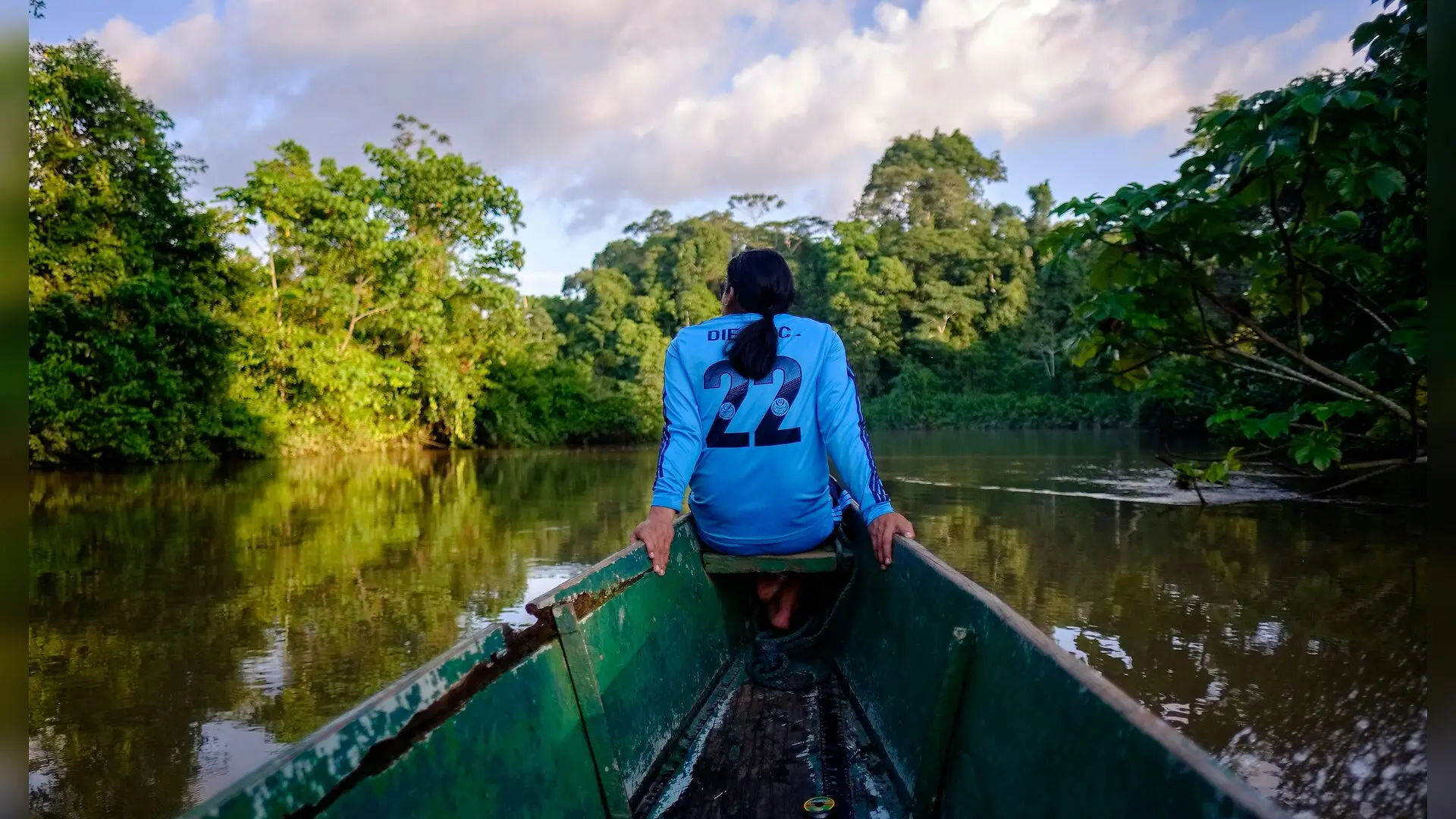
Researchers measuring water quality across 9 sampling sites along a 125 km stretch of the Amapari River in the Amazon basin found widespread contamination by toxic metals including lead and mercury, despite the river originating in a protected conservation unit. The findings, published in ACS Omega by J. Vilhena and colleagues, reveal that lead concentrations exceeded legal safety limits by 8.5 times across every tested location during both dry and rainy seasons.
The Amapari River is a major tributary of the Araguari River in the Brazilian state of Amapá, draining a region historically shaped by both legal and illegal mineral exploration, agriculture, and local communities relying directly on untreated river water. Heavy metals such as lead, copper, and mercury are persistent pollutants that can bioaccumulate in aquatic food webs and pose serious chronic health risks. While researchers expected headwaters within protected nature reserves to remain pristine, diffuse contamination points challenge the protective power of isolated conservation boundaries.
Lead and Copper Levels Exceed Safety Thresholds
During the field campaigns conducted in November 2020 during the dry season and June 2021 during the rainy season, the research team quantified eight different metals. Lead exhibited a mean concentration of 0.085 milligrams per liter, breaching both environmental quality rules and drinking water limits at 100% of the monitored sites. Copper also surpassed environmental standards at every location, recording an average of 0.069 milligrams per liter, while mercury exceeded environmental quality baselines across all sites.
Iron was recorded at the highest overall average concentration at 0.244 milligrams per liter, followed by zinc at 0.179 milligrams per liter. Although iron stayed below national drinking water limits, its levels significantly exceeded the natural background expectations for undisturbed Amazonian waterways. Statistical comparisons demonstrated that concentrations for chromium, copper, iron, nickel, and zinc were significantly higher in the dry season, driven by reduced river discharge and lower water volume that concentrated the pollutants.
Cumulative Health Risks Threaten Local Communities
The study evaluated human health hazards using chronic daily intake models for direct ingestion and dermal absorption. Ingestion emerged as the primary exposure pathway, with iron, zinc, and manganese showing the highest daily intake doses. Because traditional Amazonian populations often drink river water directly and local municipalities draw public supplies from the watershed, these exposure routes carry notable toxicological consequences.
The noncarcinogenic risk quotient for lead alone reached 2.02, comfortably crossing above the safety threshold of 1. When combining the effects of all analyzed metals, the total noncarcinogenic risk index reached 3.03, signaling that multi-metal exposure presents a serious threat. Furthermore, carcinogenic risk estimations for lead and chromium surpassed acceptable regulatory limits for both ingestion and skin absorption pathways.
Geological Background and Human Pressures Collide
The contamination patterns stem from a complex mix of natural rock weathering and intensive human activities spanning decades. Serra do Navio and Pedra Branca do Amapari have hosted iron and gold mining operations since the 1950s, while small-scale agricultural runoff and deforestation further destabilize local soils. The authors note that while correlation analyses linked certain elements like iron and zinc, the cross-contamination cannot be blamed entirely on a single source without further detailed tracking.
The absence of clear spatial downstream accumulation indicates that pollution is diffuse rather than originating from a single point source near the river mouth. The study underscores an urgent need for coordinated environmental monitoring, stricter enforcement of mining regulations, and expanded public health protections for riverine communities facing cumulative metal exposure.
The research was published in ACS omega on November 27, 2026.
This article has been fact checked for accuracy, with information verified against reputable sources. Learn more about us and our editorial process.
Last reviewed on .
Article history
- Latest version
Cite this page:
- Posted by Raj Joshi