Researchers Review 186 Studies And Find Digital Rehab Lacks Cost Tracking
Most studies focus on patient outcomes while ignoring organizational barriers and implementation expenses.

Researchers reviewing 186 studies found that digital home rehabilitation programs rarely track implementation costs or long-term system barriers.
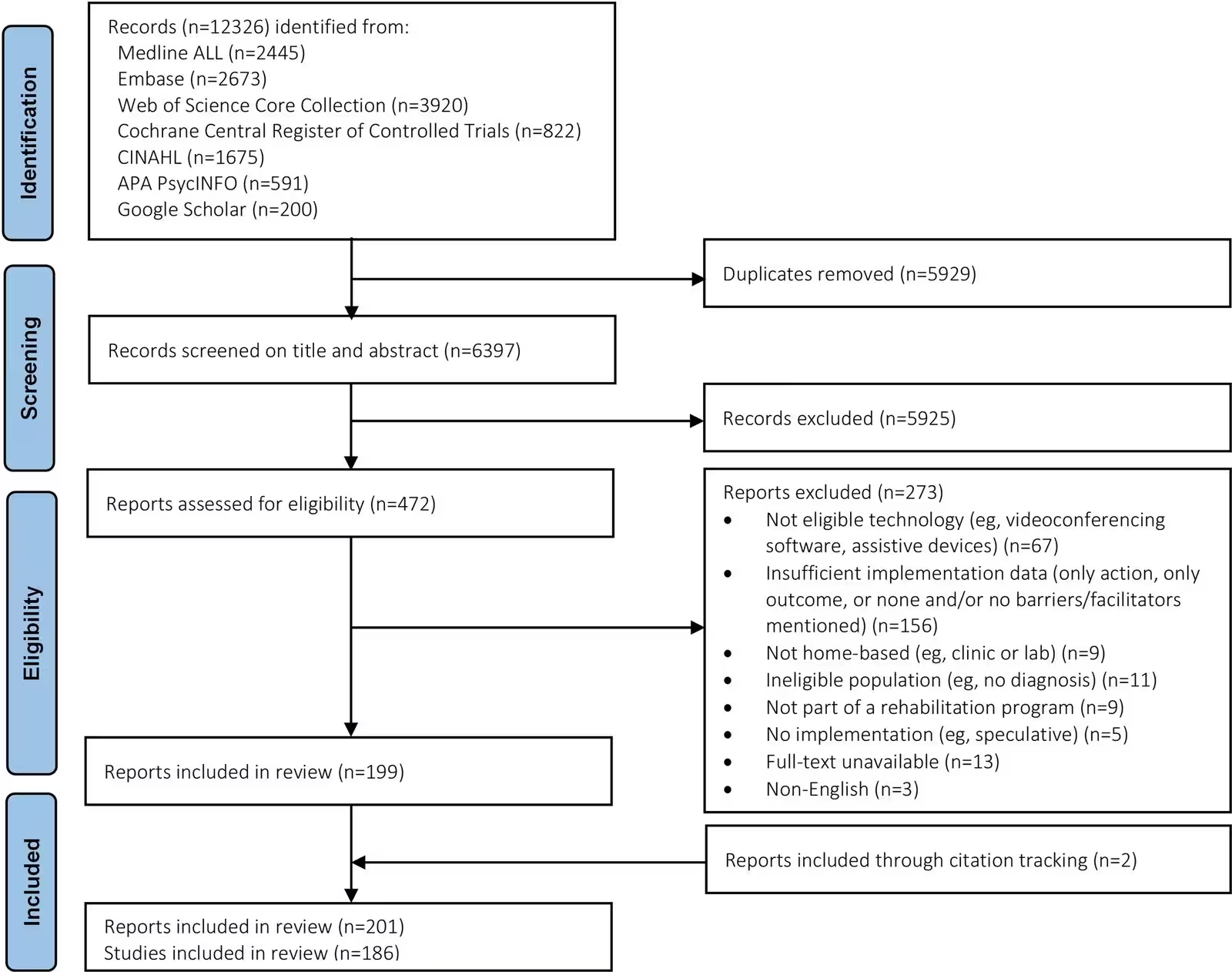
An estimated 2.41 billion people worldwide live with physical conditions that could benefit from rehabilitation, but growing workforce shortages and geographical limits make traditional clinic visits difficult for many patients. To bridge this gap, modern medicine increasingly relies on home-based digital physical rehabilitation, which uses tools like sensors, virtual reality, exergames, and mobile apps to let patients exercise independently with minimal professional oversight. While these digital tools can achieve health outcomes comparable to traditional care and reduce expenses, most pilot projects fail to transition into routine medical practice. To uncover why these technologies struggle to scale, Karlijn Te Boekhorst and colleagues at Erasmus University Rotterdam examined global patterns published in JMIR Rehabilitation and Assistive Technologies.
What 186 Studies Reveal About Digital Health Barriers
The team analyzed 186 unique studies published across 34 countries, finding that 45.2% of research focused on neurological disorders like stroke, while 26.3% targeted musculoskeletal conditions. Digital platforms made up 58.6% of the evaluated technologies, and exergames or serious games accounted for another 25.8%. By applying established implementation frameworks, the authors mapped out what helps or hinders patients and healthcare staff in adopting these systems.
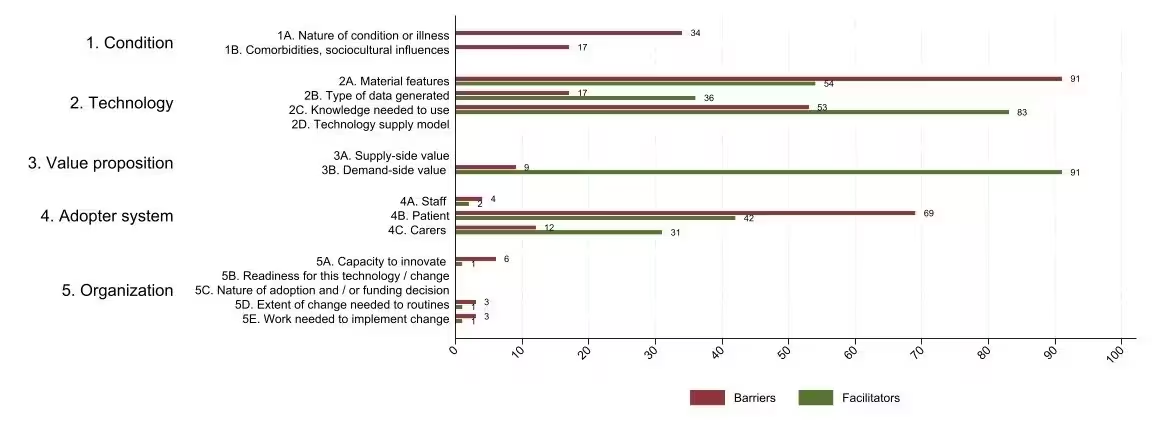
Technical hurdles and patient-related roadblocks emerged as the most frequent obstacles across the literature. Material glitches, complex device setup routines, and a lack of personalized feedback often frustrated users and reduced motivation over time. For individuals dealing with neurological conditions, cognitive impairments and the physical difficulty of operating sensors created additional hurdles that limited independent use.
How Healthcare Teams Train Patients and Support System Adoption
When looking at the specific actions taken to roll out these programs, the researchers found that teams heavily relied on educational meetings, which appeared in 83.3% of the studies. Providing local technical support and sending automated reminders or check-in calls also helped keep patients engaged with their recovery routines. However, none of the analyzed studies formally tested whether a specific implementation strategy directly improved overall success.
Staff constraints inside clinics also restricted broader adoption, as healthcare professionals frequently lacked dedicated time to learn about new devices or troubleshoot technical errors for patients. Furthermore, the review revealed that organizational readiness was rarely assessed before launching a new digital tool, leaving staff to improvise solutions when unexpected workflow conflicts arose.
Why Economic Evaluations and Cost Tracking Remain Incomplete
Only 11.8% of the reviewed studies reported implementation costs, and just 5.4% used formal economic evaluation methods like cost-effectiveness or cost-utility analyses. Even when studies noted that digital home care was cheaper than traditional hospital visits, they routinely failed to account for hidden expenses such as staff time spent reviewing patient progress data and organizing initial training sessions.
Estimates for healthcare professional time varied widely, ranging from short weekly check-ins to several hours of remote monitoring per patient over a single month. Without comprehensive financial tracking, the true economic efficiency of home-based digital rehabilitation remains uncertain for healthcare systems attempting to balance tight budgets.
What Future Research Must Address to Scale Digital Rehabilitation
The authors point out that current scientific literature focuses heavily on short-term patient recovery while overlooking broader organizational and policy factors. None of the included studies identified barriers or facilitators within the wider healthcare system domain or examined how technologies adapt and survive over extended periods.
Future investigations should adopt multilevel approaches involving technology developers, hospital managers, and policymakers alongside patients and clinicians. By designing studies that prospectively measure implementation costs and evaluate structured rollout strategies, researchers can help secure a permanent place for digital rehabilitation in everyday healthcare.
The research was published in JMIR rehabilitation and assistive technologies on November 25, 2026.
This article has been fact checked for accuracy, with information verified against reputable sources. Learn more about us and our editorial process.
Last reviewed on .
Article history
- Latest version
Reference(s)
- te Boekhorst, Karlijn E., et al. “The Implementation of Technologies Supporting Home-Based Digital Physical Rehabilitation: Scoping Review.” JMIR Rehabilitation and Assistive Technologies, vol. 13, November 25, 2026, pp. e91263-e91263. JMIR Publications Inc., doi: 10.2196/91263. <https://doi.org/10.2196/91263>.
Cite this page:
- Posted by William Moore