Brazilian Health Units Reveal How 18 Percent Faced Climate Disasters, And Why Local Clinics Are The Ultimate Defense
Researchers examine how primary healthcare systems manage extreme weather events before, during, and after disasters strike vulnerable populations.
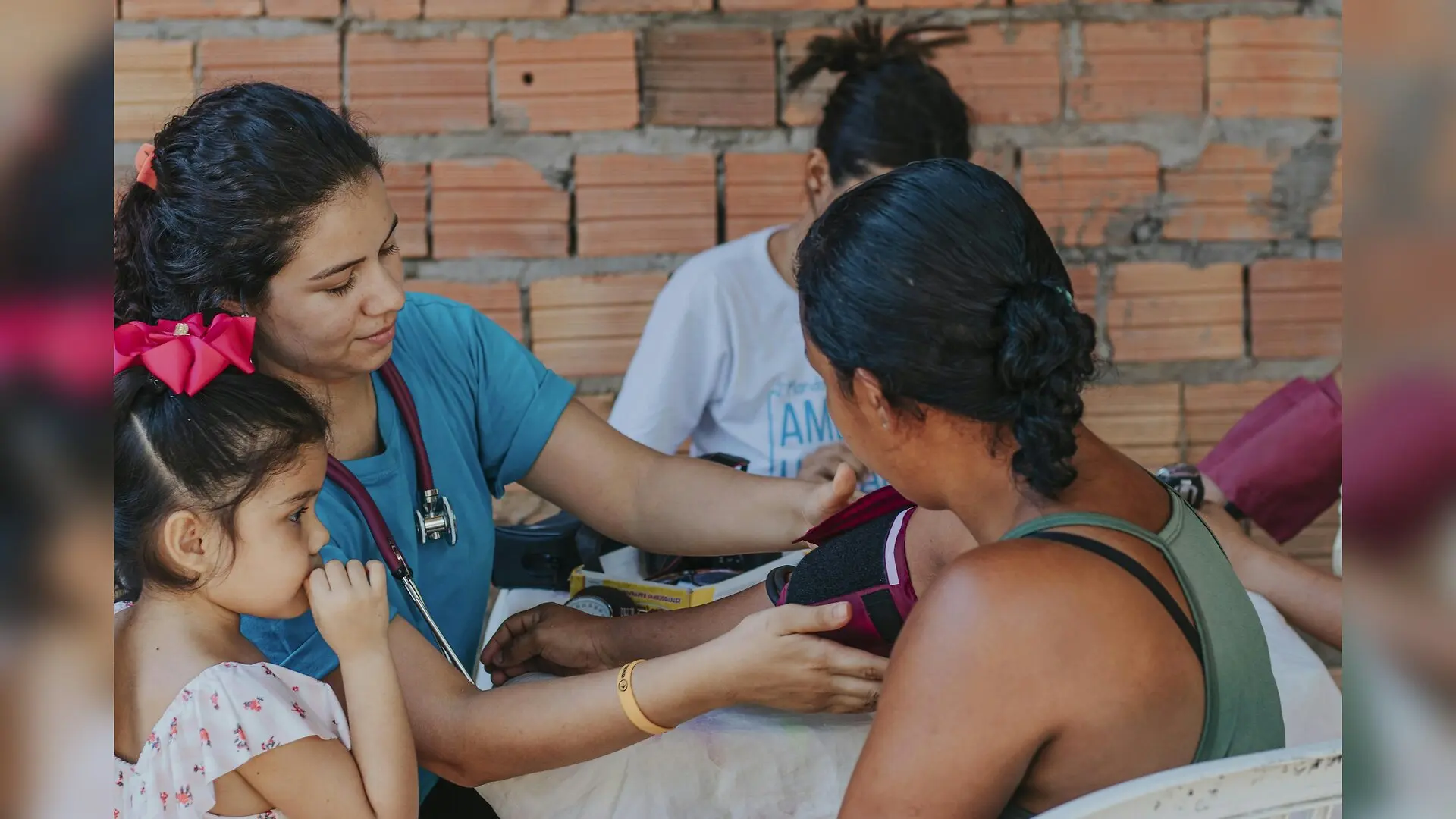
A 2024 census of basic health facilities in Brazil revealed that 18.4% of basic health units suffered environmental or climate-related damage, highlighting severe vulnerabilities as extreme weather events increase in frequency and intensity across the country.
Researchers examined how Primary Health Care acts as a frontline defense throughout natural disasters and climate emergencies. Primary health care refers to essential healthcare made universally accessible to individuals and families in the community, serving as the first point of contact with the health system. Gislani Mateus Oliveira Aguilar and colleagues published in the Revista Brasileira de Epidemiologia that integrating local health units with disease surveillance and community networks is vital for building a climate-resilient public health system.
How Units Prepare Before Disasters Strike
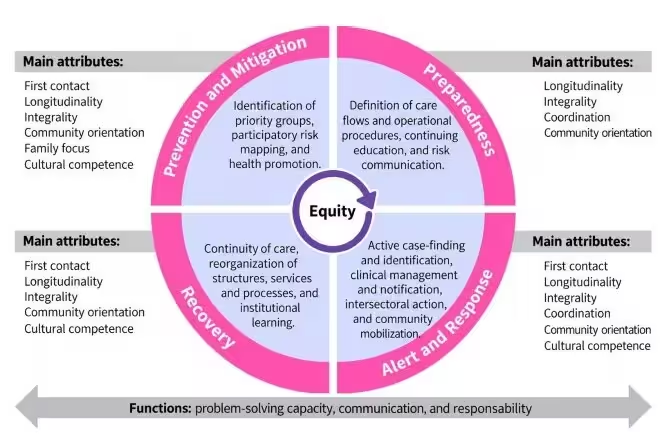
During the prospective phases of risk management, clinics focus heavily on prevention, mitigation, and preparedness. Health teams utilize digital registration tools and participatory mapping to pinpoint vulnerable populations and monitor environmental health risks in their territories.
Maintaining chronic disease management and high vaccination coverage helps reduce the impact of incoming shocks. The study points out that areas with robust local healthcare coverage demonstrate a much higher capacity to cope with extreme weather events.
Managing Immediate Crisis Responses Locally
When disasters actually hit, local clinics manage the initial wave of urgent care needs while maintaining ongoing health services. Community health workers coordinate emergency responses, communicate health risks, and track displaced families taking refuge in temporary shelters.
Psychosocial support remains a major priority during this chaotic phase, requiring multidisciplinary teams to address trauma and community distress. The authors noted that these localized actions prevent health crises from escalating into unmanageable regional emergencies.
Rebuilding Communities During Long-Term Recovery
Post-disaster recovery extends far beyond repairing damaged buildings and restoring basic logistics. Health teams maintain long-term bonds with affected residents to monitor lingering issues like food insecurity, displacement, and worsening chronic illnesses.
Intersectoral coordination with housing, sanitation, and social assistance programs is essential for rebuilding resilient living conditions. This recovery period also provides institutional learning opportunities to refine future contingency plans.
Protecting Vulnerable Populations Through Equity
Climate emergencies disproportionately affect marginalized groups, including traditional communities, indigenous populations, and residents living in precarious urban peripheries. The authors stress that equity must act as a cross-cutting principle guiding all public health interventions.
Despite these strategic advantages, chronic structural limitations and hospital-centric funding models still hinder full integration. Strengthening professional retention and resilient infrastructure remains a priority for adapting the public health system to future climate threats.
The research was published in Revista brasileira de epidemiologia = Brazilian journal of epidemiology on November 20, 2026.
This article has been fact checked for accuracy, with information verified against reputable sources. Learn more about us and our editorial process.
Last reviewed on .
Article history
- Latest version
Reference(s)
- Aguilar, Gislani Mateus Oliveira., et al. “Scaling up climate adaptation: the role of Primary Health Care before, during, and after climate-related disasters.” Revista Brasileira de Epidemiologia, vol. 29, January 1, 2026 FapUNIFESP (SciELO), doi: 10.1590/1980-549720260056. <https://doi.org/10.1590/1980-549720260056>.
- Posted by Raj Joshi