Imperial College London Researchers Reveal Biosolids Spread Millions Of Plastic Particles Into Agricultural Soils And What Happens Next
A new review shows wastewater sludge transfers persistent synthetic particles to farmland, but upstream controls could cut loads by 40 percent.
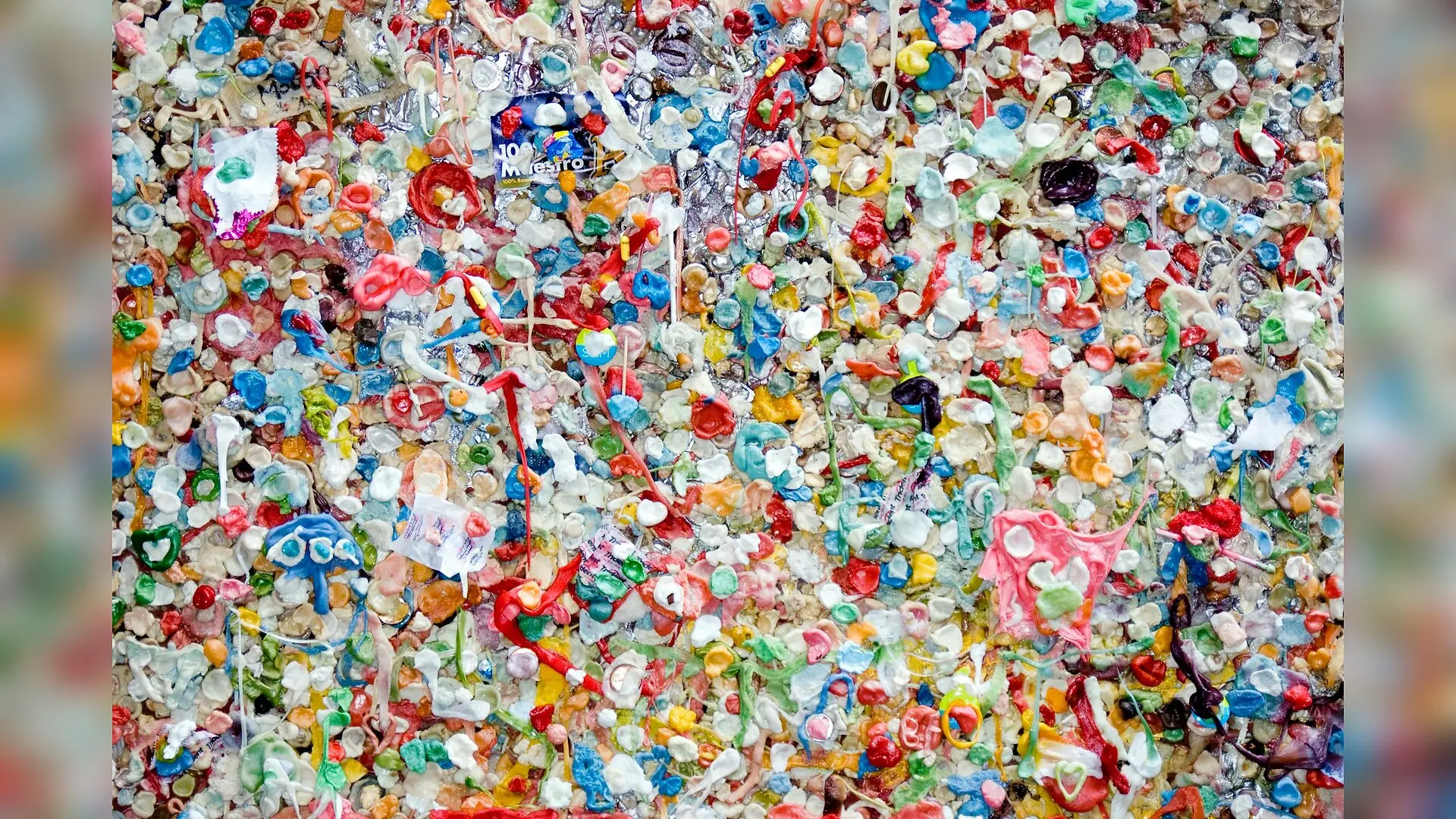
Wastewater treatment works capture up to 99% of microplastics from treated water, but concentrate them into sewage sludge that subsequently transfers millions of tons of plastic particles into agricultural soils worldwide every year. Researchers C. Hunt and N. Voulvoulis from Imperial College London evaluated this hidden transport mechanism and found that standard sludge treatments do not destroy the persistent synthetic fragments.
Plastics have permeated human environments since commercial production expanded exponentially in the 1950s. Their exceptional durability means they persist indefinitely, gradually fragmenting into microplastics measuring under 5 mm and nanoplastics measuring under 1,000 nm. These microscopic particles reach municipal wastewater treatment facilities through domestic washing machines, industrial discharges, and urban stormwater runoff carrying debris from tire abrasion and road markings.
While biological and physical treatment processes successfully produce clean water for environmental discharge, hydrophobic plastic particles partition into the solid waste fraction. The resulting sewage sludge is routinely converted into nutrient-rich biosolids and spread across farmland as fertilizer, creating a persistent environmental cycle where plastic particles infiltrate soils and potentially enter the agricultural food chain. The study is published in Frontiers in Nutrition, detailing the complex pathways from municipal sources to agricultural soils.
How Much Plastic Accumulates in Treated Sewage Sludge?
Global studies reveal a vast range of microplastic contamination in treated sewage sludge, with a median concentration of 22.41 MPs/g of dry weight across 65 international evaluations. The recorded values span six orders of magnitude, ranging from 0.193 to 169,000 microplastic particles per gram. This wide variation stems partly from differing detection techniques and size thresholds used by researchers rather than solely reflecting regional differences in pollution levels.
Agricultural application rates compound this burden over time. For example, long-term soil surveys in the UK demonstrate that four years of sewage sludge spreading caused up to a 1,450% increase in microplastic contamination. Historical soil archives analyzed at Rothamsted Research showed that plastic concentrations rose steeply by 350% between 1997 and 2005, followed by another 183% jump between 2010 and 2022.
What Damage Do Microplastics Cause in Agricultural Soils?
Accumulated plastic particles degrade soil structure, reducing soil aggregation and stability by up to 20%. This physical disruption lowers bulk density, restricts rainwater infiltration, and makes agricultural land more susceptible to erosion and poor aeration. Earthworms and springtails suffer direct physical harm, including gut damage, inflammation, and reduced growth rates after ingesting plastic fragments.
Furthermore, microplastics alter bacterial and fungal communities by forming a specialized surface colonization zone known as a plastosphere that can harbor pathogens and antibiotic resistance genes. These cascading biological effects stunt plant growth by limiting essential nutrient availability, such as nitrogen and phosphorus, by up to 25%, while also lowering seed germination rates and overall agricultural productivity.
Can Upstream Interventions Stop Plastic Flow Before Farmland?
Preventing plastic particles from entering wastewater systems offers a more effective solution than trying to remove them later. Upstream source controls include improving tire durability, mandating washing machine filtration devices, and restricting intentionally added microplastics such as microbeads in personal care products. External washing machine filters can reduce microfibre release to wastewater by approximately 78%, while fine mesh laundry bags achieve a 54% reduction.
Scenario models indicate that combining targeted source interventions could achieve an estimated 40% reduction in the microplastic load arriving at wastewater treatment works. However, many advanced sludge treatment technologies, such as microbial degradation or radiation-based oxidation, remain at an early laboratory or pilot stage, lacking the technical maturity and harmonized monitoring standards needed for full-scale municipal deployment.
The research was published in Frontiers in nutrition on November 28, 2026.
This article has been fact checked for accuracy, with information verified against reputable sources. Learn more about us and our editorial process.
Last reviewed on .
Article history
- Latest version
Cite this page:
- Posted by William Moore