Researchers Find 63 Percent Of Congolese Mothers Delay Antenatal Care, And Age Drives The Gap
A new study at a Congolese clinic reveals that extreme age, young children, and unintended pregnancies drive late antenatal care bookings.

A new clinical study reveals that 63.5% of pregnant women attending their first antenatal appointment at a major referral center in the Democratic Republic of the Congo initiated care past the recommended timeline. Denis Bwana Mbayo and colleagues at the University of Kamina published their findings in JMIR Pediatrics and Parenting, shedding light on persistent health gaps in semirural regions.
Antenatal care refers to the medical supervision, screenings, and health education provided to pregnant women by qualified healthcare professionals to prevent complications. International guidelines recommend scheduling the first visit within the first trimester or by 16 weeks of amenorrhea, which is the absence of menstruation. Delayed bookings make it difficult for medical teams to manage high-risk pregnancies, track fetal development, and deliver timely interventions.
Why Do Mothers Wait Past 16 Weeks For Care?
The cross-sectional investigation examined 203 pregnant women who visited the University Clinics of Kamina between December 1, 2024, and August 30, 2025. Researchers gathered data through face-to-face interviews using structured electronic questionnaires combined with details extracted from official antenatal care cards. The average gestational age at the initial visit stood at 18.5 weeks, with extremes ranging from 4 to 36 weeks.
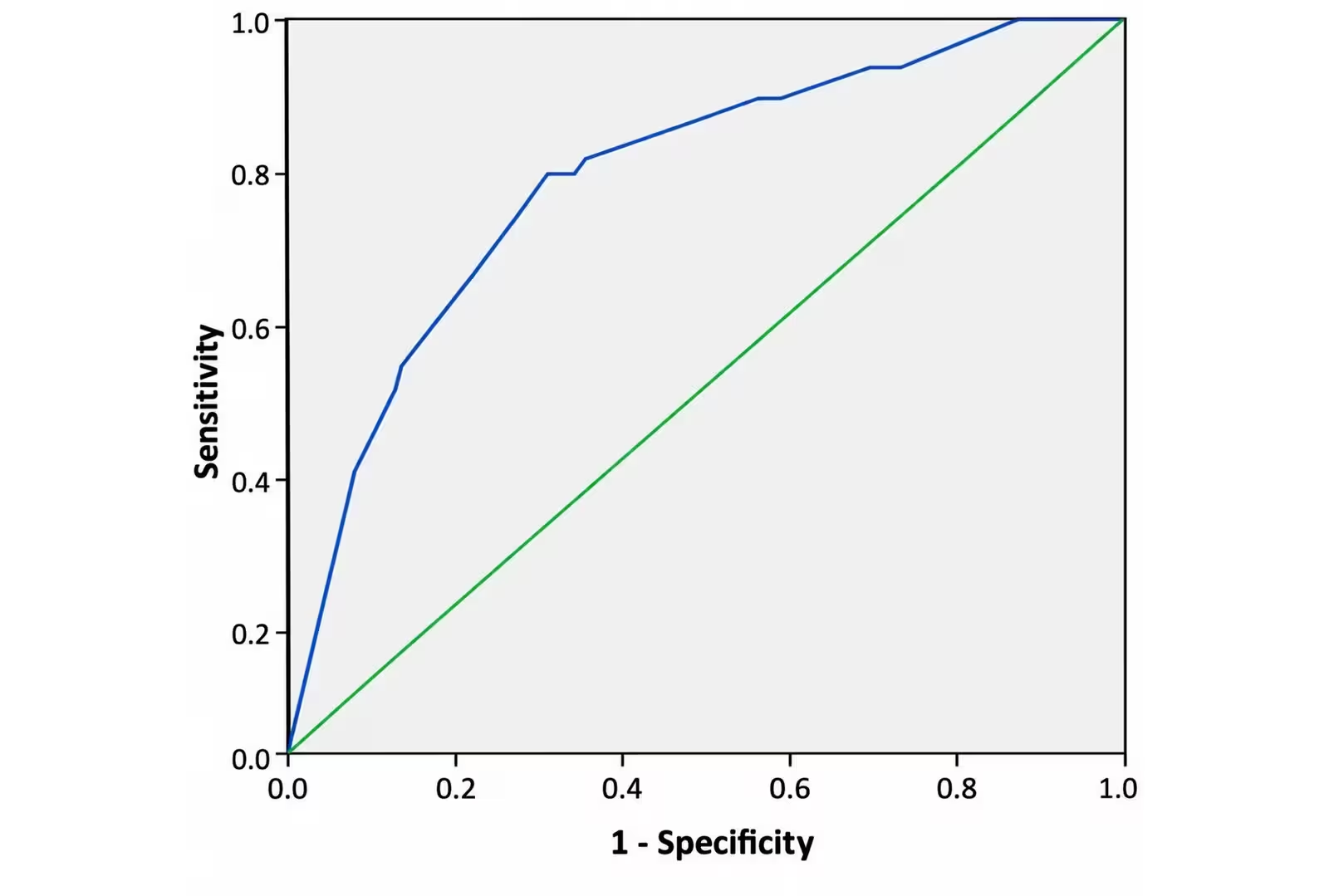
Statistical evaluations isolated several independent predictors linked to delayed appointment bookings. The analysis accounted for multiple sociodemographic, obstetric, and household factors to pinpoint which expectant mothers face the highest risks of postponing medical checkups. The predictive model displayed robust discriminatory power with an area under the receiver operating characteristic curve of 79.4%.
How Do Age And Family Size Impact Healthcare Timing?
Maternal age emerged as a major factor, with adolescents under 20 years and older women past 35 years showing significantly higher odds of late booking. Those at the extremes of reproductive age faced an adjusted odds ratio of 3.74 for delayed attendance. Younger mothers often encounter social stigma, restricted autonomy, or delayed pregnancy recognition, while older mothers may rely on past experiences and underestimate early medical needs.
The age of a woman’s youngest child also heavily influenced booking schedules. Mothers who had a young child aged 2 years or younger faced an adjusted odds ratio of 4.47 for delayed care. Heavy domestic workloads, postpartum fatigue, and closely spaced pregnancies often overlap with reliance on breastfeeding as natural contraception, which can lead to late recognition of a new pregnancy.
What Role Do Partners And Unintended Pregnancies Play?
Unintended pregnancies doubled the likelihood of late medical initiation, showing an adjusted odds ratio of 2.46. Such circumstances frequently involve a lack of early preparation, fear of social judgment, or reluctance to disclose the pregnancy right away. Partner education levels also mattered significantly for household decision-making.
Women whose partners held only secondary education were over 3 times more likely to delay their first visit compared to those whose partners attained university education. Educated partners appear better equipped to understand maternal health requirements, communicate effectively, and provide necessary financial backing. However, the authors note that these observations stem from a single facility and cannot establish direct cause and effect.
The research was published in JMIR pediatrics and parenting on November 25, 2026.
This article has been fact checked for accuracy, with information verified against reputable sources. Learn more about us and our editorial process.
Last reviewed on .
Article history
- Latest version
Reference(s)
- Bwana Mbayo, Denis., et al. “Prevalence and Factors Associated With Late Initiation of Antenatal Care Among Women Attending the University Clinics of Kamina: Cross-Sectional Study.” JMIR Pediatrics and Parenting, vol. 9, November 25, 2026, pp. e100041-e100041. JMIR Publications Inc., doi: 10.2196/100041. <https://doi.org/10.2196/100041>.
Cite this page:
- Posted by David Anderson