Biologic Therapies Show Varying Success Rates in Rare Inflammatory Skin Disease
A comprehensive meta-analysis of 464 treatment courses reveals that interleukin-23 pathway inhibitors achieve higher skin clearance rates than older biologic classes in pityriasis rubra pilaris.
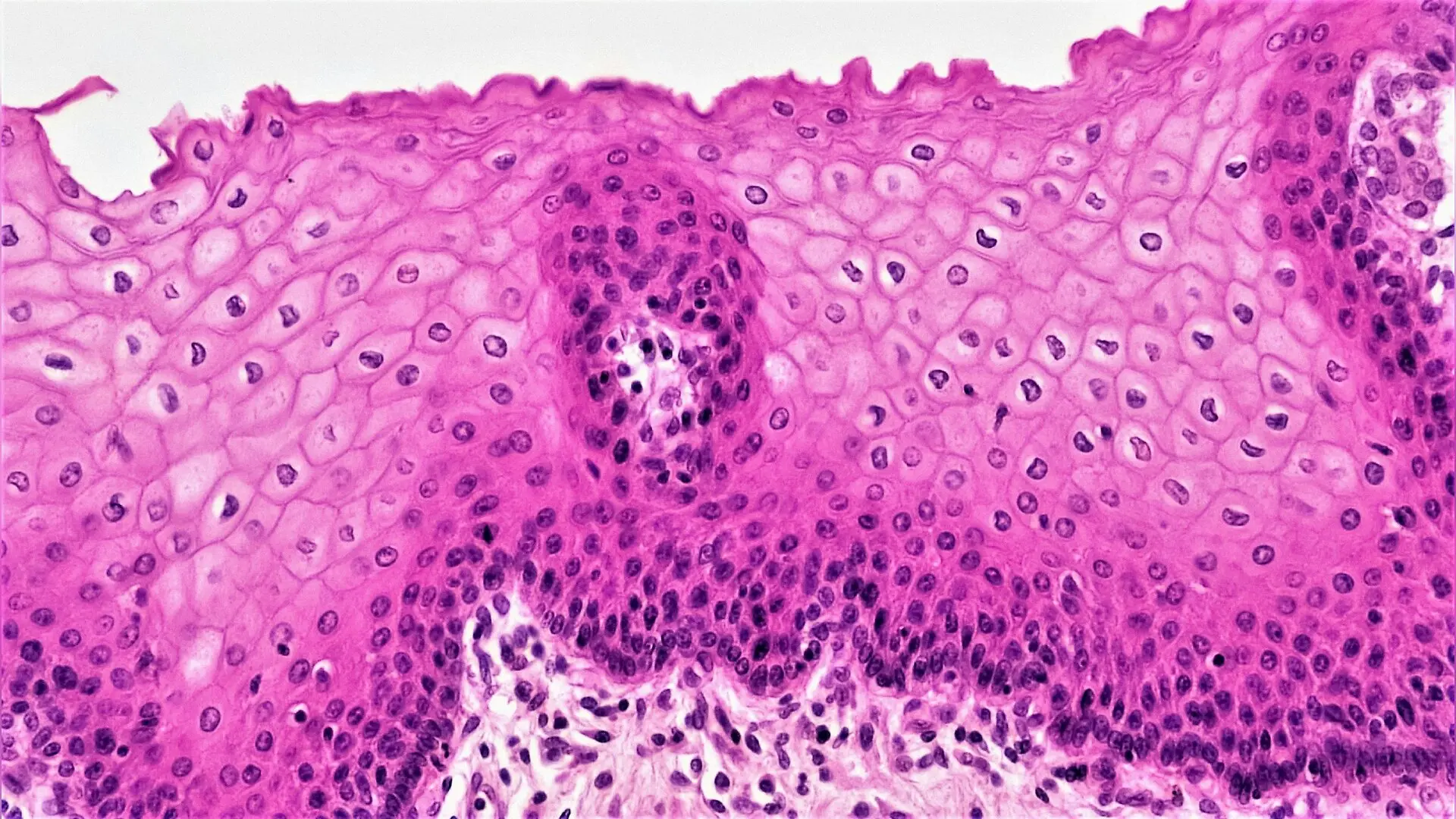
Pityriasis rubra pilaris, a rare and severe inflammatory skin disorder affecting roughly 1 in 400,000 people, often responds better to certain modern biologic drugs than to others, according to a comprehensive data synthesis. The condition causes scaly red plaques, palm thickening, and widespread skin inflammation that severely harms quality of life, yet no drug carries an official regulatory approval for its treatment.
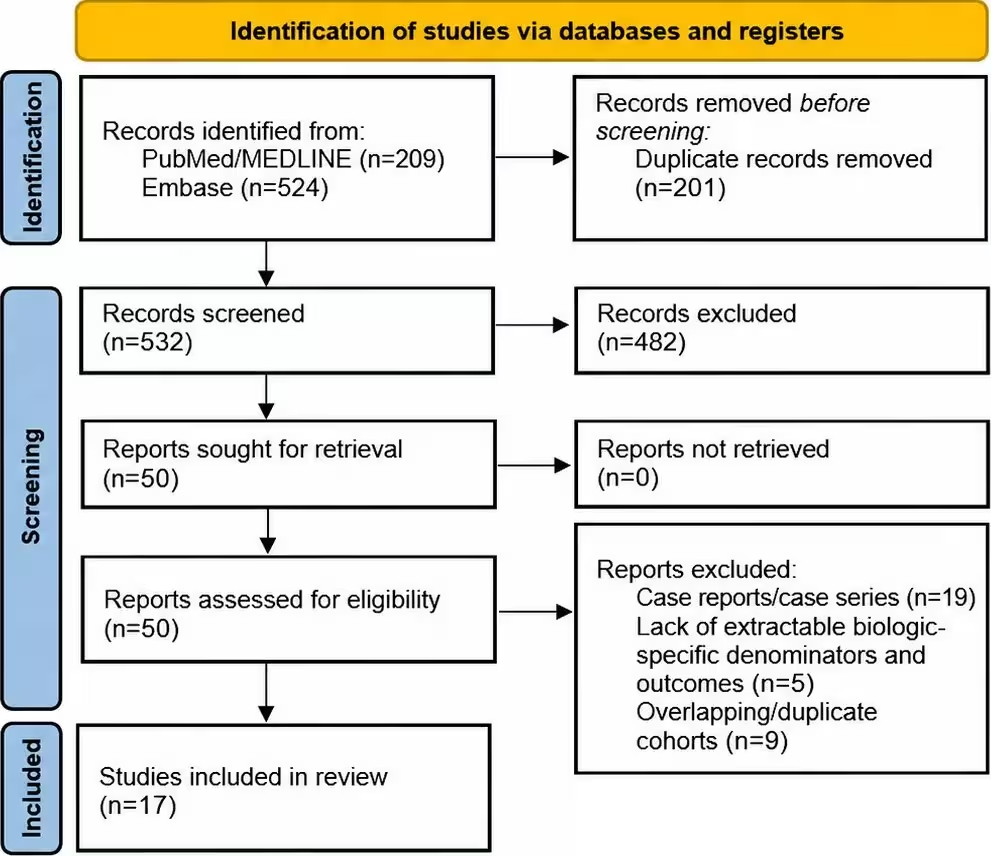
To understand how different biologic classes perform, researchers conducted a systematic review and meta-analysis published in Acta Dermato-Venereologica. The investigators analyzed 14 observational studies encompassing 464 individual biologic therapeutic lines, alongside 3 prospective single-arm clinical trials involving agents originally developed for psoriasis.
Which Biologic Class Showed the Strongest Skin Clearance Rates?
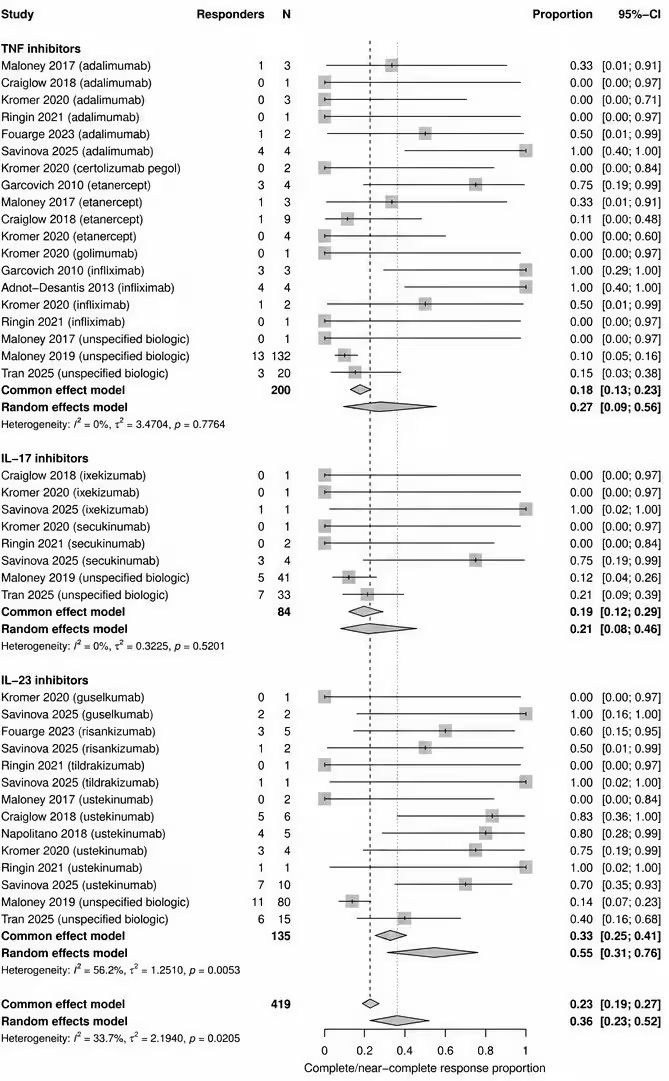
When evaluating complete or near-complete skin clearance, researchers noted distinct differences among treatment categories. Interleukin-23 pathway inhibitors, which target specific inflammatory signaling molecules in the immune system, achieved a pooled complete or near-complete response rate of 55 percent across 135 therapeutic lines. By comparison, tumour necrosis factor inhibitors reached a 27 percent clearance rate across 200 lines, while interleukin-17 inhibitors yielded a 21 percent clearance rate across 84 lines.
When looking at broader improvements that included partial responses, the overall success rate climbed across all categories. The pooled any-response proportion reached 73 percent for all biologics combined. Tumour necrosis factor inhibitors showed a 77 percent rate of any response, while interleukin-17 inhibitors achieved 62 percent and interleukin-23 pathway inhibitors reached 78 percent.
How Do Underlying Immune Pathways Shape Treatment Resistance?
The skin manifestations of pityriasis rubra pilaris are driven by complex immune signaling networks, particularly the interleukin-23 and interleukin-17 axis. Biomarker and transcriptomic studies highlighted in the review revealed that patients who fail to respond to interleukin-17 blockade often show high baseline activity in innate immune mediators, such as specific phospholipase A2 enzymes and inflammatory proteins that promote keratinocyte cell overproliferation.
Investigators noted that targeting broader immune pathways, such as using interleukin-12 and interleukin-23 p40 blockers that also influence T-helper 1 cell signaling, might overcome resistance seen in some patients. In the pooled data, interleukin-12/23 inhibitors showed a 71 percent complete or near-complete response rate, compared with 58 percent for selective interleukin-23p19 inhibitors, though overlapping confidence intervals mean these differences require cautious interpretation.
What Are the Limitations of Current Biologic Evidence?
Despite promising clinical outcomes, the available evidence base relies heavily on observational data and small retrospective cohorts rather than large randomized controlled trials. Treatment eras and sequencing played a major confounding role, as older tumour necrosis factor inhibitors were typically prescribed earlier, whereas newer interleukin-23 inhibitors were frequently reserved for patients who had already failed multiple previous therapies.
Furthermore, adverse events were documented in 12 out of 183 therapeutic lines with available safety data, mostly involving standard biologic safety profiles. Because pityriasis rubra pilaris lacks a standardized, disease-specific severity scoring index, researchers emphasized an urgent need for uniform clinical endpoints and prospective trials to guide targeted therapy decisions safely.
The research was published in Acta dermato-venereologica on November 17, 2026.
This article has been fact checked for accuracy, with information verified against reputable sources. Learn more about us and our editorial process.
Last reviewed on .
Article history
- Latest version
Reference(s)
- Tartaglia, Jacopo., et al. “Biologic Therapy in Pityriasis Rubra Pilaris: Systematic Review and Meta-analysis with Class-based Comparisons.” Acta Dermato-Venereologica, vol. 106, November 17, 2026 MJS Publishing, Medical Journals Sweden AB, doi: 10.2340/actadv.v106.adv-2026-0835. <https://doi.org/10.2340/actadv.v106.adv-2026-0835>.
Cite this page:
- Posted by Priya Sharma