Archaeologists Baffled by Perfectly Intact 400 Year Old Pot Found Buried in Florida
Archaeologists have discovered a perfectly preserved 17th-century pot at a Florida mission site, sparking a mystery over the purpose of the hidden structure.
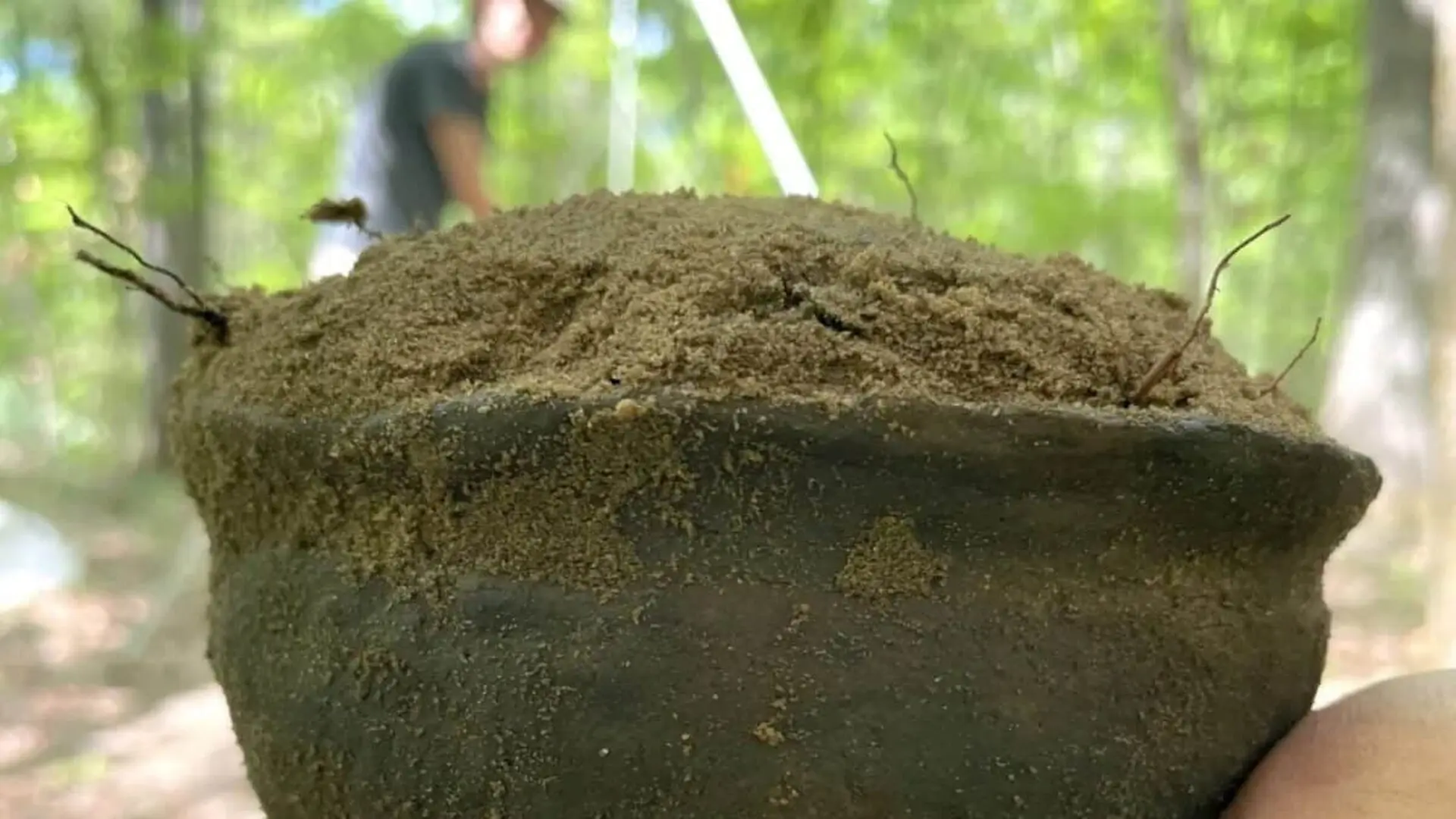
Archaeologists working in Gainesville, Florida, have unearthed a rare historical artifact that defies the typical expectations of a four-century-old site. A small, perfectly intact clay pot was discovered buried beneath the soil, remaining completely unbroken despite the shifting ground and agricultural activity that usually pulverizes such delicate relics over time. This find, retrieved from a historic Potano-Timucua village, is now considered a standout discovery for the site, which has been under excavation by University of Florida researchers for nearly two decades.
An Archaeological Anomaly
The discovery occurred during a field course focused on Mission San Francisco de Potano, a site that serves as a crossroads of Indigenous heritage and Spanish colonial history dating back to the late 16th century. For experts accustomed to working on land-based excavations, finding a complete vessel is an extraordinary rarity.
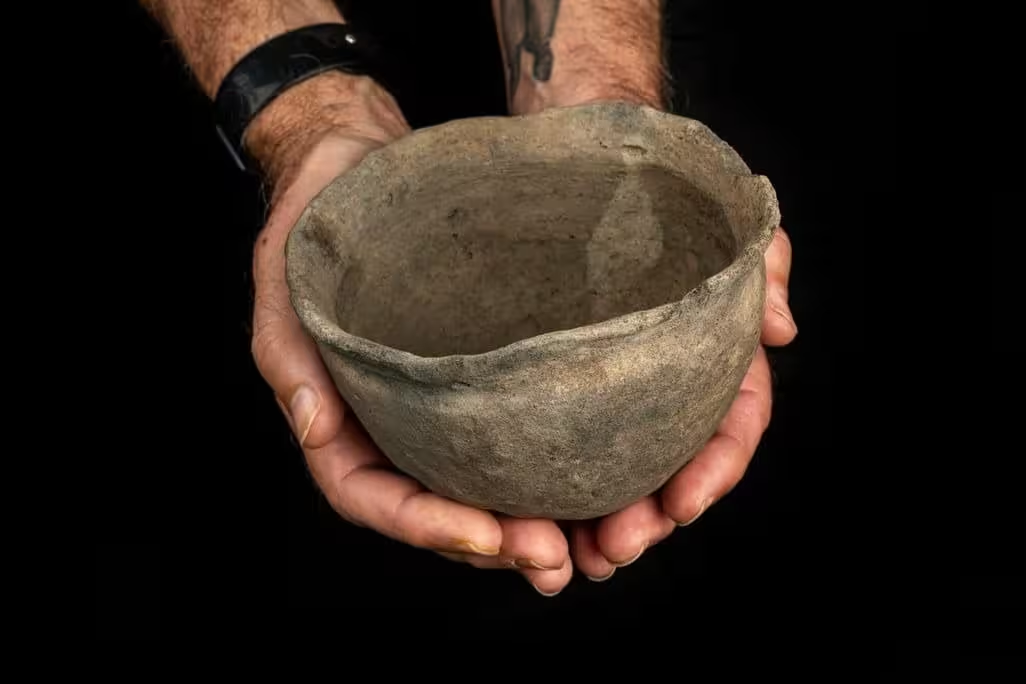
Gifford Waters, the historical archaeology collections manager at the Florida Museum of Natural History, noted that while shipwreck excavations often yield intact goods, terrestrial sites are almost always littered with broken, discarded refuse. The functional state of this vessel is puzzling, as it appears to have been intentionally placed in a pit rather than abandoned as trash. With no clear signs of wear or heavy use, researchers are left wondering about the specific circumstances that led to its careful burial.
A Crossroads of Colonial and Native Life
The artifact was pulled from a structure believed to have served as a military garrison for Spanish forces, particularly following the escalation of British raids in the early 18th century. Evidence at the location includes weaponry components like a musket side plate and a gun’s rear sight, which align with the site’s turbulent history. Established in 1606, the mission was built upon a site already occupied by the Potano, a Timucua group that had migrated to the region after earlier encounters with Spanish colonizers.
Since 2006, the excavation has produced more than 7,000 artifacts, ranging from mundane food waste to glass beads and stone tools. Waters emphasizes that the spatial distribution of these items is key to understanding the site. By identifying clusters of bone, for instance, researchers can pinpoint specific cooking zones, providing a window into the daily routines of the few European friars and the hundreds of Potano residents who inhabited the village.
Clues to Ancient Exchange
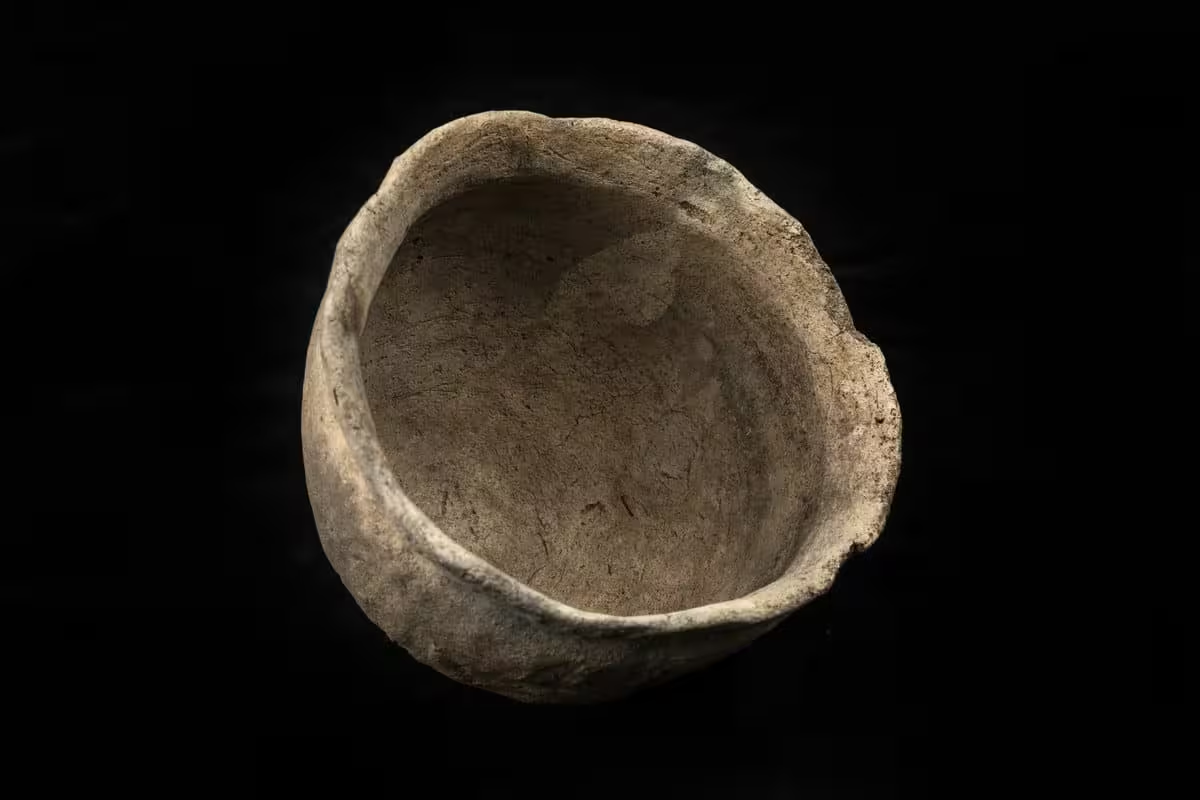
The plain, gray-finished pot shows no significant burning, leading analysts to conclude it was likely not a primary cooking vessel, though it may have been used for warming items near a fire. Alongside this pristine find, the team recovered fragments of a separate, coarser vessel that does not align with regional pottery styles. This suggests the site was connected to broader trade networks extending toward St. Augustine or Jacksonville, reflecting a period of intense cultural transition.
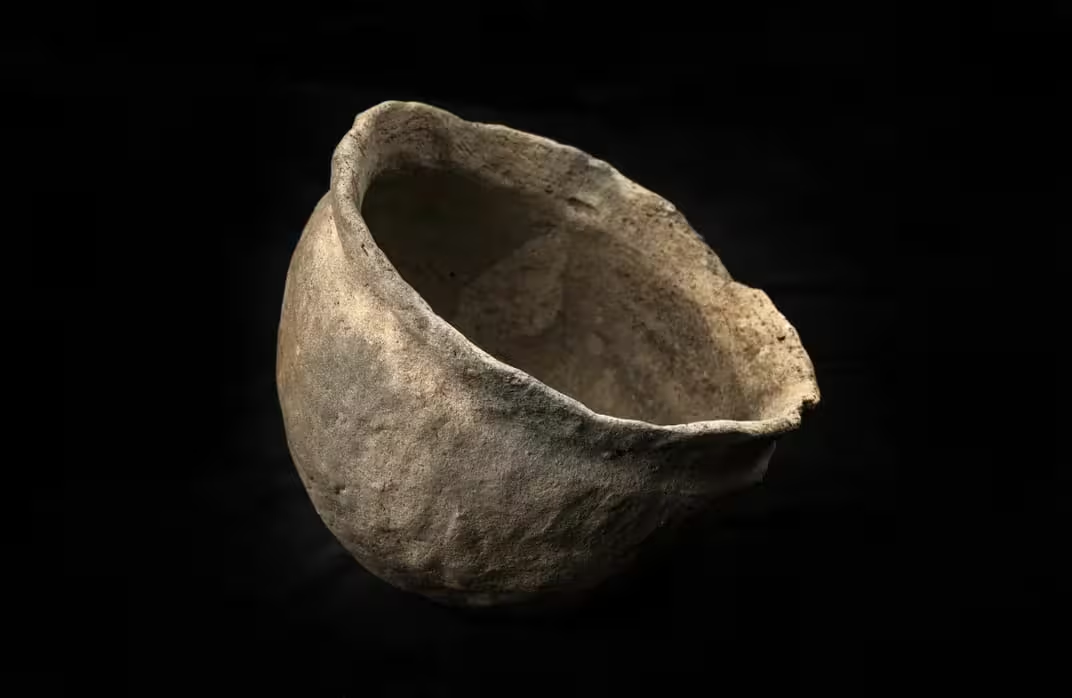
As reported by the Florida Museum of Natural History, the diversity of these objects highlights the shifting demographics of the region. As mission life continued, the influx of individuals from various parts of Florida introduced new traditions to the area. These artifacts serve as physical markers of the persistence and evolution of Indigenous culture during a time of immense pressure and colonial influence.
This article has been fact checked for accuracy, with information verified against reputable sources. Learn more about us and our editorial process.
Last reviewed on .
Article history
- Latest version
Reference(s)
- “Gifford Waters.” People <https://www.floridamuseum.ufl.edu/people/gifford-waters/>.
- Bowser, Brooke. “Students unearth rare, centuries-year-old pot at local mission site.”, July 21, 2026 Research News <https://www.floridamuseum.ufl.edu/science/students-unearth-rare-centuries-year-old-pot-at-local-mission-site/>.
Cite this page:
- Posted by Hassan Raza