The Tragic Mystery of the Reindeer That Multiplied Into a Massive Ecological Collapse
Researchers discovered a mysterious graveyard of bones on an isolated island where lichen was once abundant and large predators were entirely absent.
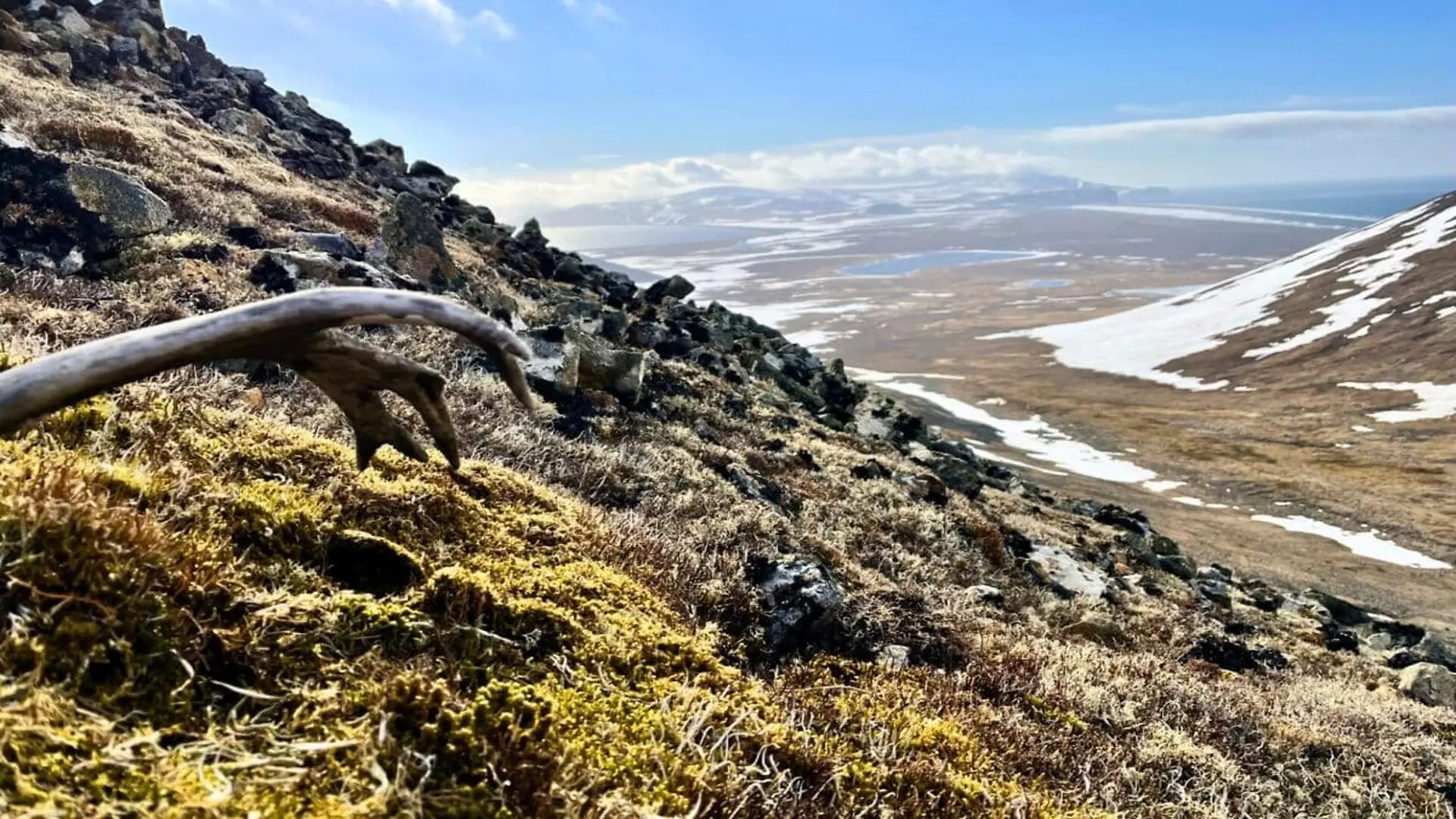
In the summer of 1944, a U.S. Coast Guard vessel landed on the remote, uninhabited shores of St. Matthew Island, a rugged outpost in the Bering Sea situated more than 200 miles from the nearest human settlement. On board were 29 reindeer, introduced not for ecological research, but as an emergency protein source for the 19-man crew stationed there to operate a wartime navigation facility. The war eventually ended, the station was abandoned, and the personnel departed without ever firing a shot at the herd. What followed was one of the most extreme biological boom-and-bust cycles ever documented in the wild.
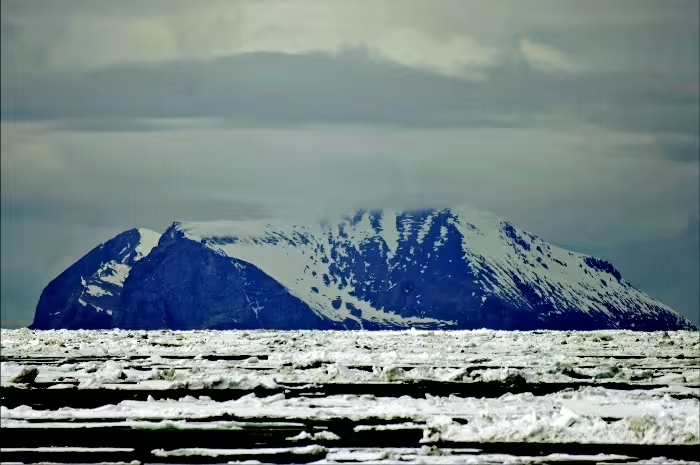
An Unchecked Population Explosion
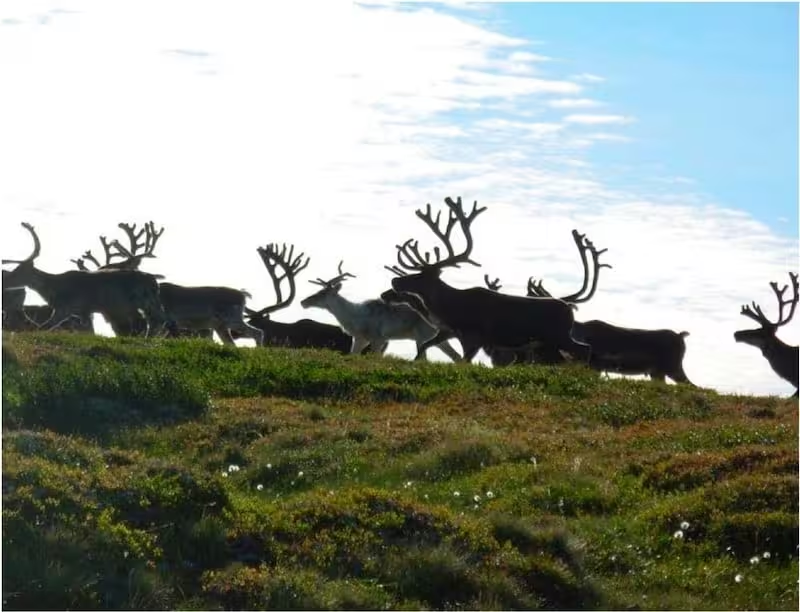
Left to their own devices on an island teeming with lichen and devoid of natural predators, the reindeer thrived. By 1957, biologist David Klein discovered that the original population had surged to approximately 1,350 individuals. These animals were exceptionally healthy, with weights far exceeding those of their mainland counterparts. However, the signs of environmental stress were already present. The heavy grazing had begun to compromise the island’s slow-growing lichen mats, a critical winter food staple that requires decades to regenerate.
When Klein returned in 1963, the population had hit an astounding 6,000. This density reached nearly 47 animals per square mile, forcing the herd to consume resources faster than they could be replenished. The physical condition of the reindeer had deteriorated significantly, with average body weights plummeting by 40 percent and calf survival rates dropping. The herd was trapped on an island rapidly approaching its carrying capacity.
The Sudden Disappearance
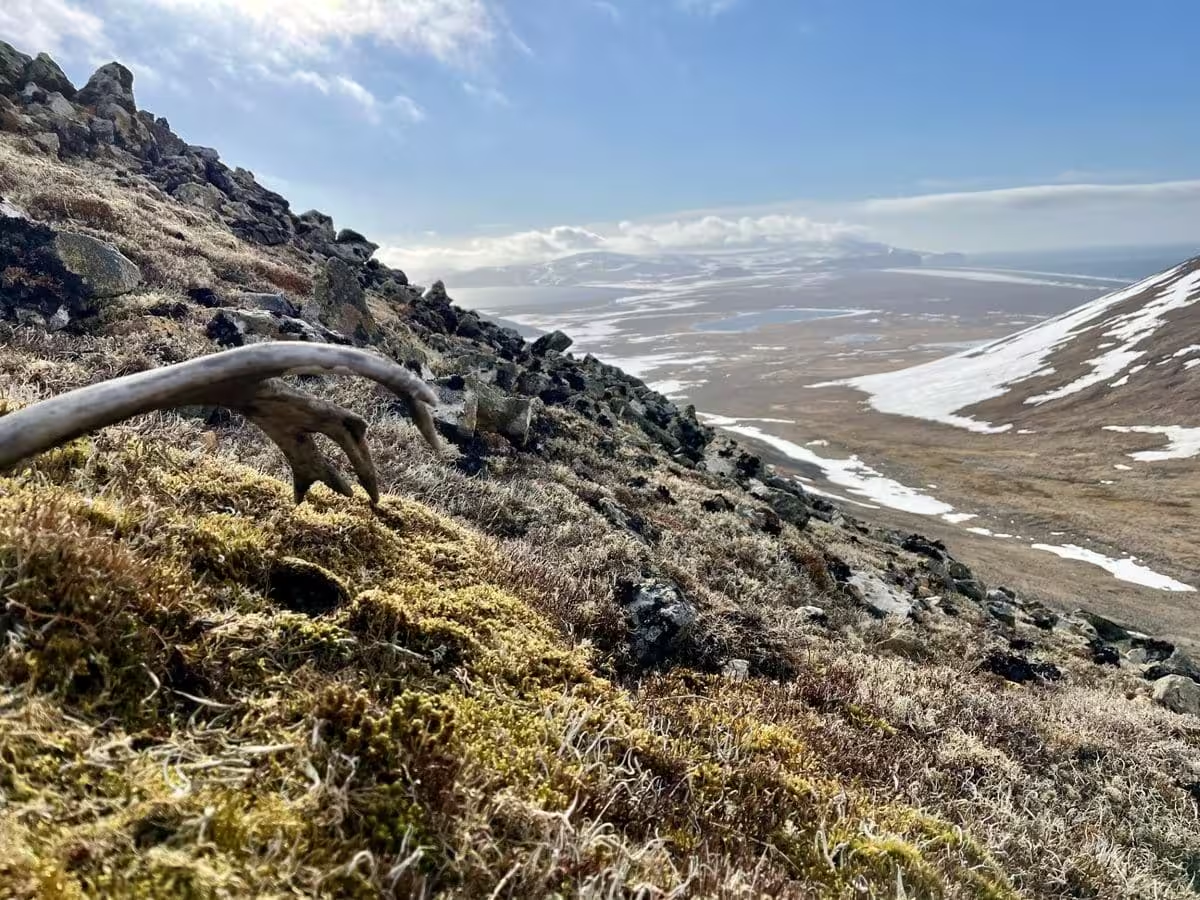
The consequences of this imbalance became clear in 1966, when a follow-up expedition found the landscape littered with skeletons. Out of the 6,000 reindeer present just three years earlier, only 42 survivors remained. The widespread distribution of bones, many belonging to females carrying fetuses, suggested a catastrophic and near-total collapse during the winter of 1963–64. For years, this event was cited in ecology textbooks as a classic case of population overshoot, where a species exhausts its environment and inevitably crashes.
Beyond Simple Overgrazing
More recent analyses, including research published in Rangifer, suggest that the narrative of simple overgrazing is incomplete. While the population was indeed vulnerable due to food depletion, climate data reconstructed by the University of Alaska Fairbanks points to a lethal meteorological event. The winter of 1963–64 was characterized by relentless, hurricane-force windstorms and record-breaking cold. In mid-March, wind chill values plummeted to a devastating −71.5°F (−57.5°C).
The accumulation of 140 inches of snow created an impenetrable barrier, preventing the already weakened herd from accessing what little lichen remained. Experts now agree that while the reindeer had pushed their environment to the brink, it was the convergence of resource scarcity and a severe, anomalous weather cycle that triggered the total collapse. By 1981, the last remaining reindeer on St. Matthew Island had died, leaving the island as a silent witness to the volatility of life in isolated ecosystems.
This article has been fact checked for accuracy, with information verified against reputable sources. Learn more about us and our editorial process.
Last reviewed on .
Article history
- Latest version
Reference(s)
- Miller, Frank. “St. Matthew Island reindeer crash revisited: Their demise was not nigh—but then, why did they die?.”, pp. 185-197., doi: 10.7557/2.25.4.1783. <https://septentrio.uit.no/index.php/rangifer/article/view/1783>.
- “Bitter weather may have wiped out reindeer | Geophysical Institute.”, November 6, 2026 <https://gi.alaska.edu/alaska-science-forum/bitter-weather-may-have-wiped-out-reindeer-0>.
Cite this page:
- Posted by Hassan Raza