Italian 230‑Million‑Year‑Old Footprints Show Dinosaurs Dominated Early Triassic
Ancient Italian footprints reveal dinosaurs may have ruled as Earth’s top large animals much earlier than previously thought.
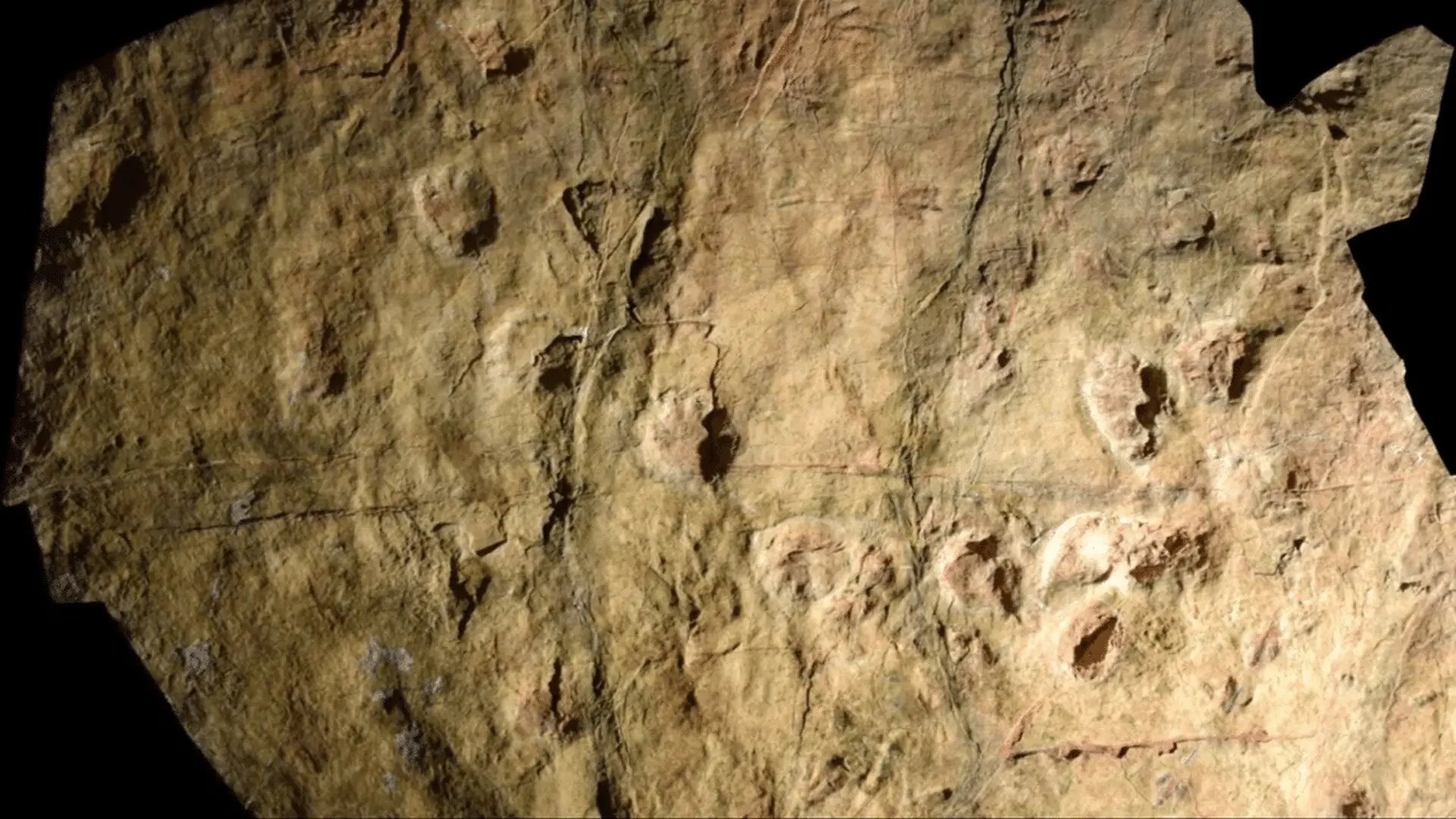
A fresh look at a series of 230‑million‑year‑old footprints uncovered in Italy is forcing paleontologists to rethink when dinosaurs first became the pre‑eminent terrestrial vertebrates. The new data, published in Gondwanan Research, imply that a major climatic upheaval may have propelled the rise of these giants well before the previously accepted Late Triassic window.
Tiny Italian Trackbed Offers a Window into an Early Dinosaur World
Researchers revisited a modest slab of sediment, just about 6 m² in size, near the town of Lerici in north‑western Italy. The rock surface records a snapshot of life from roughly 230 million years ago, at the dawn of the Late Triassic. Rather than relying on skeletal remains, the team examined the preserved footprints, which capture a broader picture of the ancient community by preserving the trace of multiple species that once shared the same ground.
The imprint suite includes traces from five distinct reptile groups. Three of those trackmakers belong to separate dinosaur lineages, while the remaining two are linked to non‑dinosaur reptiles. This mix suggests that dinosaurs were not merely present but were already filling a variety of ecological niches, acting as the dominant large vertebrates in that northern ecosystem.
The presence of several dinosaur ichnotaxa underscores a rapid evolutionary expansion among the group at that time. Rather than a balanced assemblage of competing reptile clades, the trackway points to an environment where dinosaurs had already assumed a leading role.
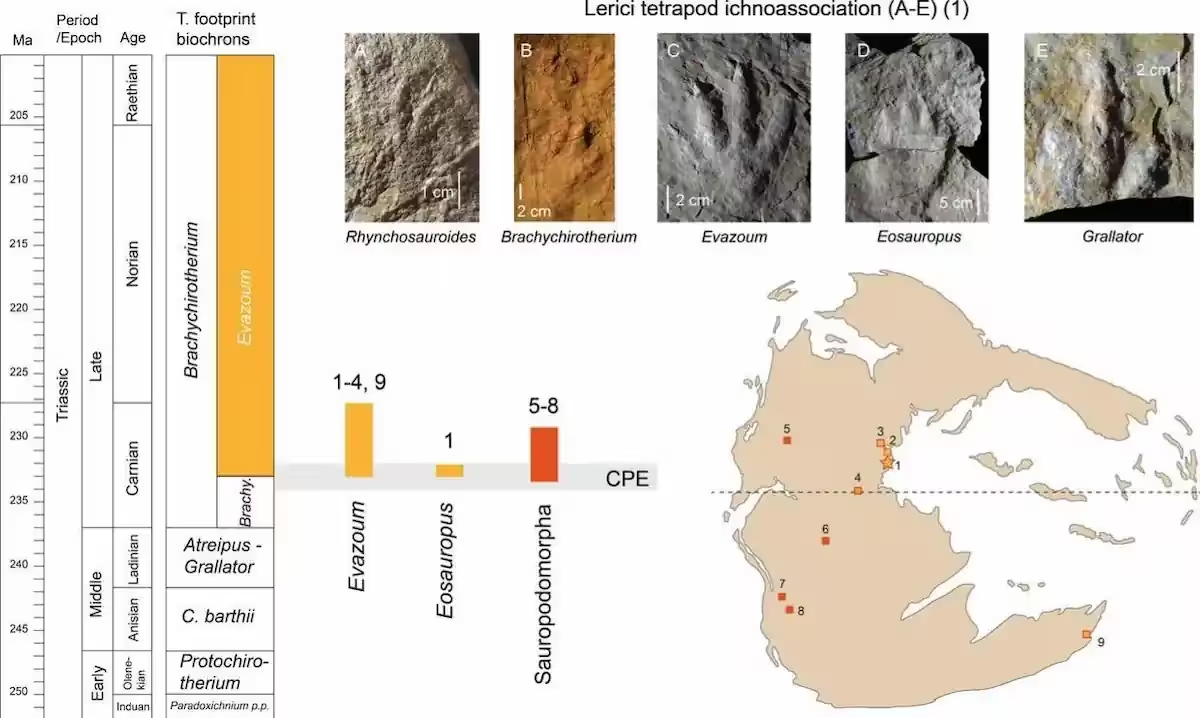
Linking the Footprints to a Global Climate Pulse
The study supports a growing hypothesis that the Carnian Pluvial Episode (CPE), a planet‑wide warming and rain event that peaked around 234 million years ago, reshaped reptilian ecosystems. Intense volcanism during the CPE raised temperatures and generated sustained precipitation across the supercontinent Pangaea, turning arid interiors into humid corridors.
Before this wet phase, many dinosaur clades were confined to the southern reaches of Pangaea, blocked by expansive desert barriers. The sudden influx of moisture softened those barriers, opening new migratory routes and allowing dinosaurs to spread into previously inaccessible northern habitats where other reptile groups held sway.
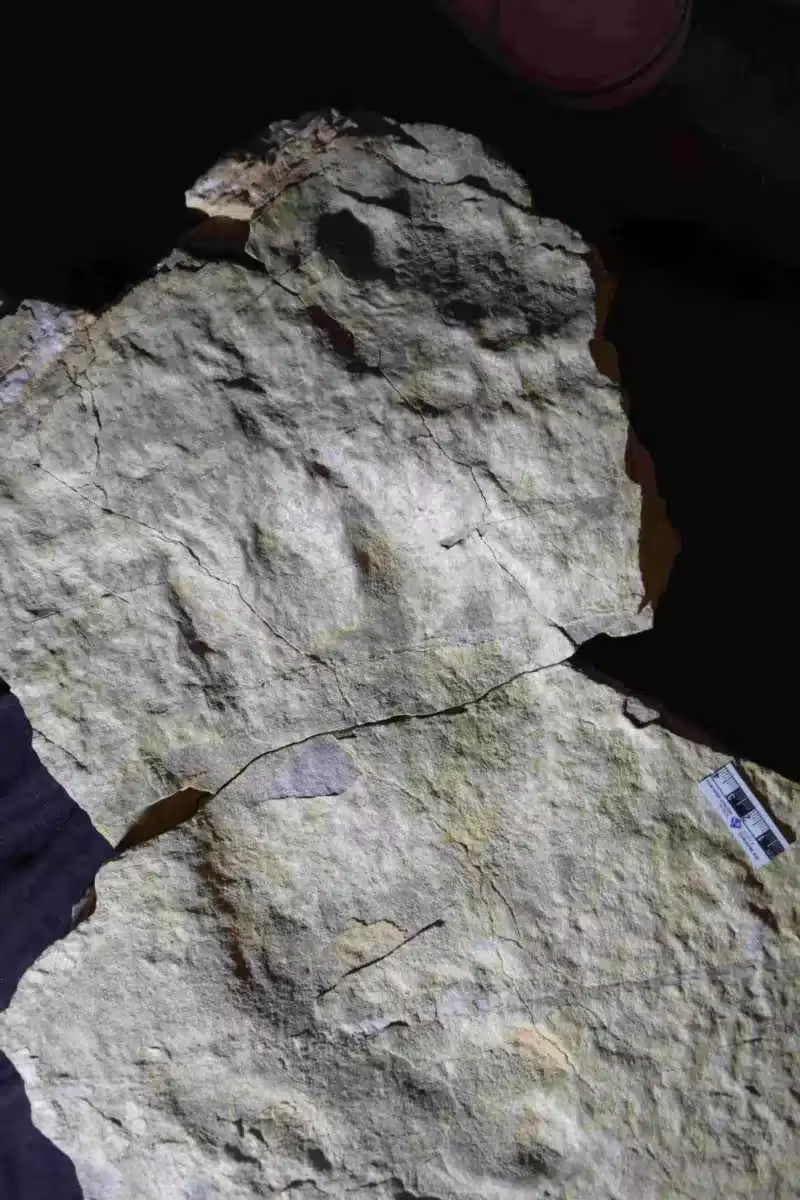
If the Lerici tracks were indeed laid down during the CPE, they provide direct evidence that dinosaurs had already become the most diverse large vertebrates in at least one northern ecosystem by that time, reinforcing the idea that the climate shift accelerated their ecological takeover.
Why Trace Fossils Matter More Than Bones Alone
While skeletal fossils capture the anatomy of individual species, footprints preserve community dynamics, behavior, and the environmental backdrop of a moment in deep time. By examining the shape and spacing of the prints, scientists identified three separate dinosaur ichnospecies: a theropod track, a precursor to the famed predatory line that later produced Tyrannosaurus rex and modern birds, and two early sauropodomorph types that foreshadowed the giant long‑necked sauropods of the Jurassic.
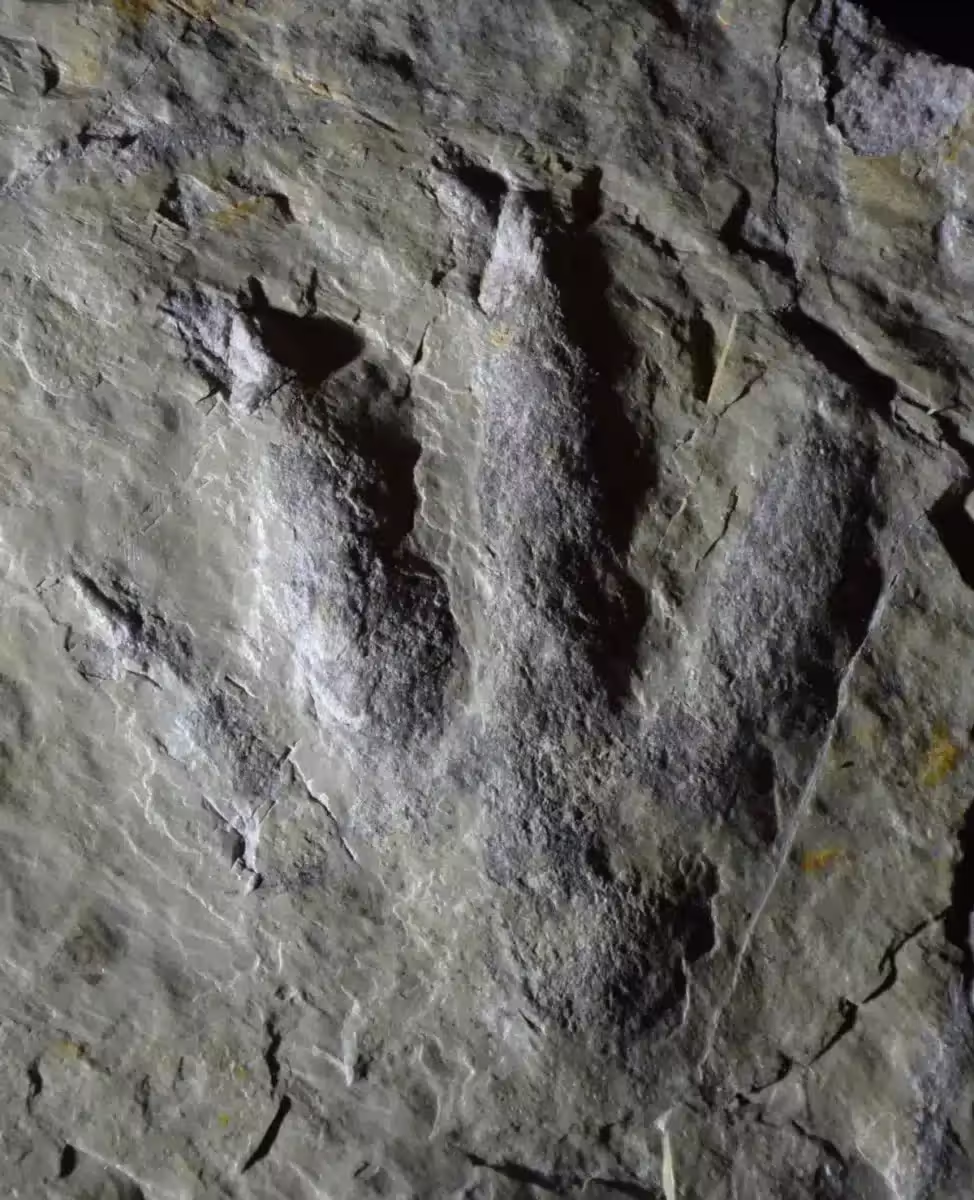
The remaining impressions belong to non‑dinosaur reptiles, including a pseudosuchian (a distant relative of modern crocodilians) and a lepidosauromorph, an early member of the lineage that gave rise to present‑day lizards. Distinguishing these tracks relied on subtle anatomical cues: early dinosaurs exhibit stiff ankles that limit foot rotation, whereas pseudosuchians retain a flexible fifth toe that leaves a characteristic hook in the imprint.
These trace fossils, combined with the climatic context of the Carnian Pluvial Episode, paint a picture of a rapid ecological turnover that set the stage for the later dominance of dinosaurs throughout the Mesozoic.
This article has been fact checked for accuracy, with information verified against reputable sources. Learn more about us and our editorial process.
Last reviewed on .
Article history
- Latest version
Cite this page:
- Posted by Hassan Raza