Why AI Art Is Forcing Us To Redefine The Very Meaning Of Human Creativity
As AI masters instant art, a new philosophical paper examines why human creative growth and meaningful experiences remain essential to our identity.
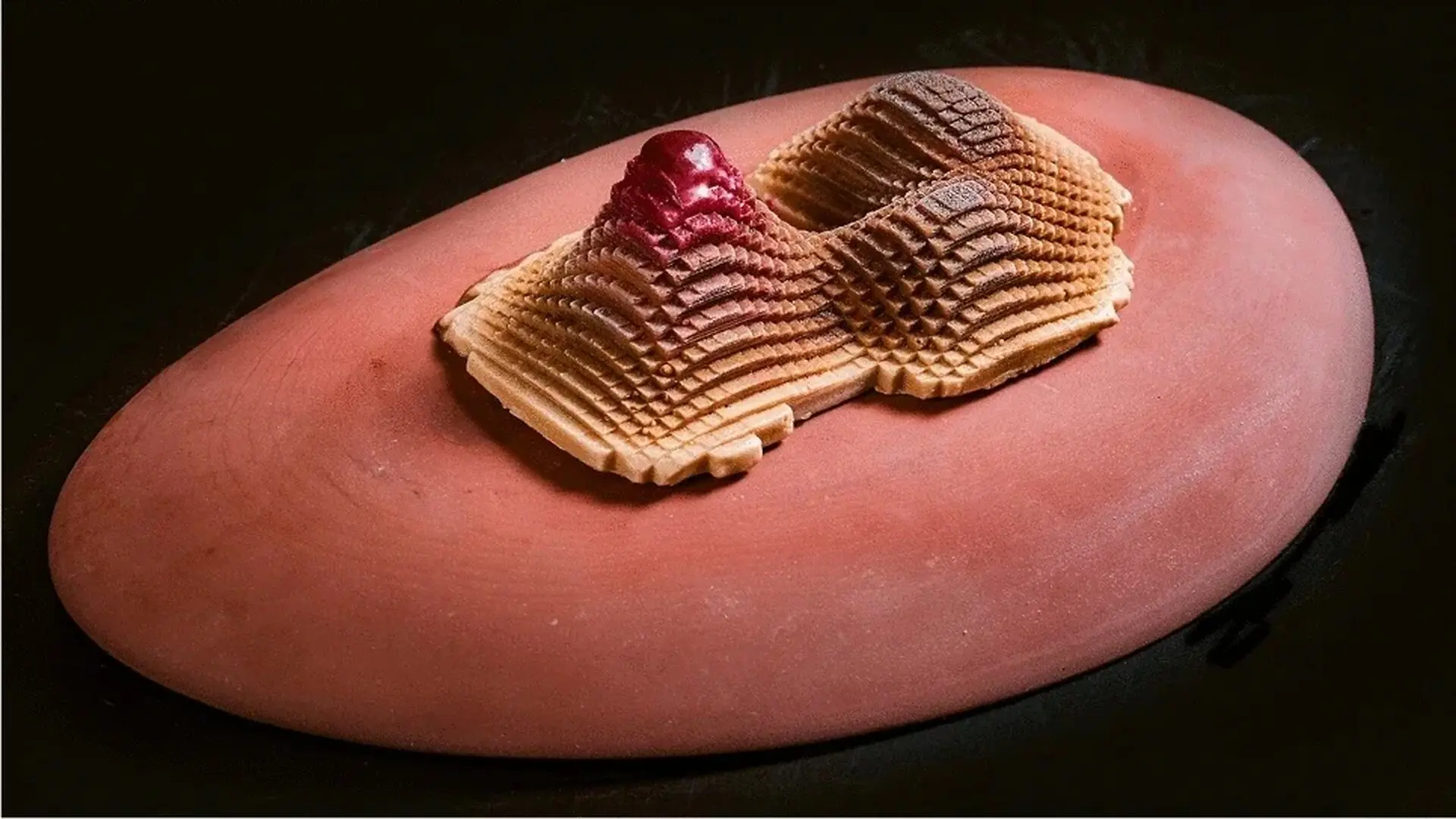
In an era where a high-fidelity image can be generated in seconds without a lifetime of technical training, the long-standing assumption that a masterpiece reflects years of human development is under scrutiny. A new philosophical paper suggests that as generative AI bridges the gap between intent and execution, the focus of artistic evaluation must shift away from the finished product and toward the transformation of the individuals and cultures involved in the creative process.
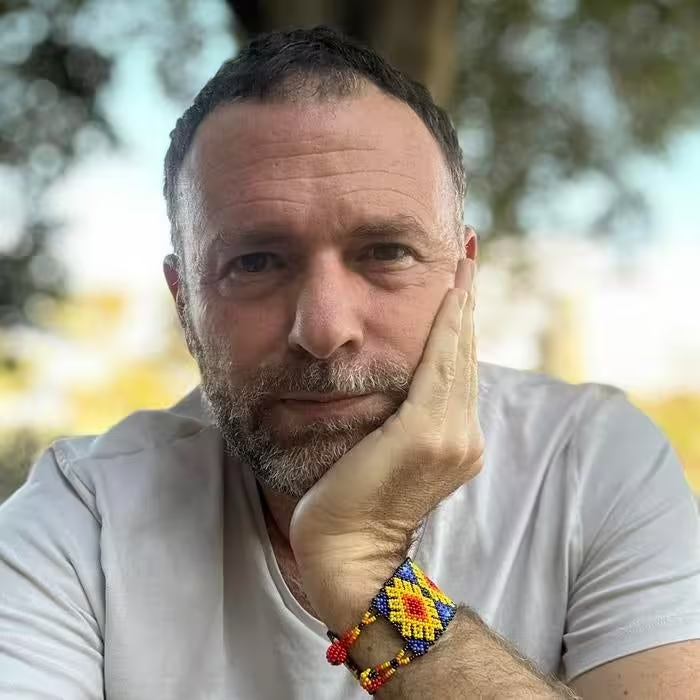
Amit Raphael Zoran, a researcher at the Hebrew University of Jerusalem, explores this shift in a recent study published in AI & Society. He introduces what he calls the “decoupling thesis,” arguing that contemporary AI systems allow users to produce sophisticated visual, musical, and design outputs while entirely bypassing the traditional apprenticeship that once defined mastery.
The end of the apprenticeship model
Historically, the value of an artwork was inextricably linked to the labor of the artist. A painter’s skill was not merely in the final canvas, but in the honed ability to observe light, texture, and perspective—a process of internal development that occurred over years. Zoran posits that while AI doesn’t render human choice or effort obsolete, it fundamentally alters the link between the output and the artist’s developmental journey.
“For centuries, creating art meant going through a process of learning, experimenting, and changing as a person,” Zoran notes. By automating the technical hurdles, AI transforms the finished artifact into a starting point rather than a crowning achievement of a long-term practice.
Beyond the finished object
To address this, Zoran proposes the concept of “artistic becoming,” a framework that categorizes the impacts of creative engagement across three distinct spheres: the maker, the audience, and the wider culture. He suggests that institutions, educators, and critics should prioritize these dimensions when evaluating the significance of modern work.
The paper highlights that art has long served to reorganize how societies perceive their reality, citing the evolution of perspective in the Renaissance and the fragmentation of form in Cubism as examples of art’s role in shaping collective consciousness. In the context of AI, Zoran argues that the technology can be used to facilitate deeper sensory experiences rather than just producing static images.
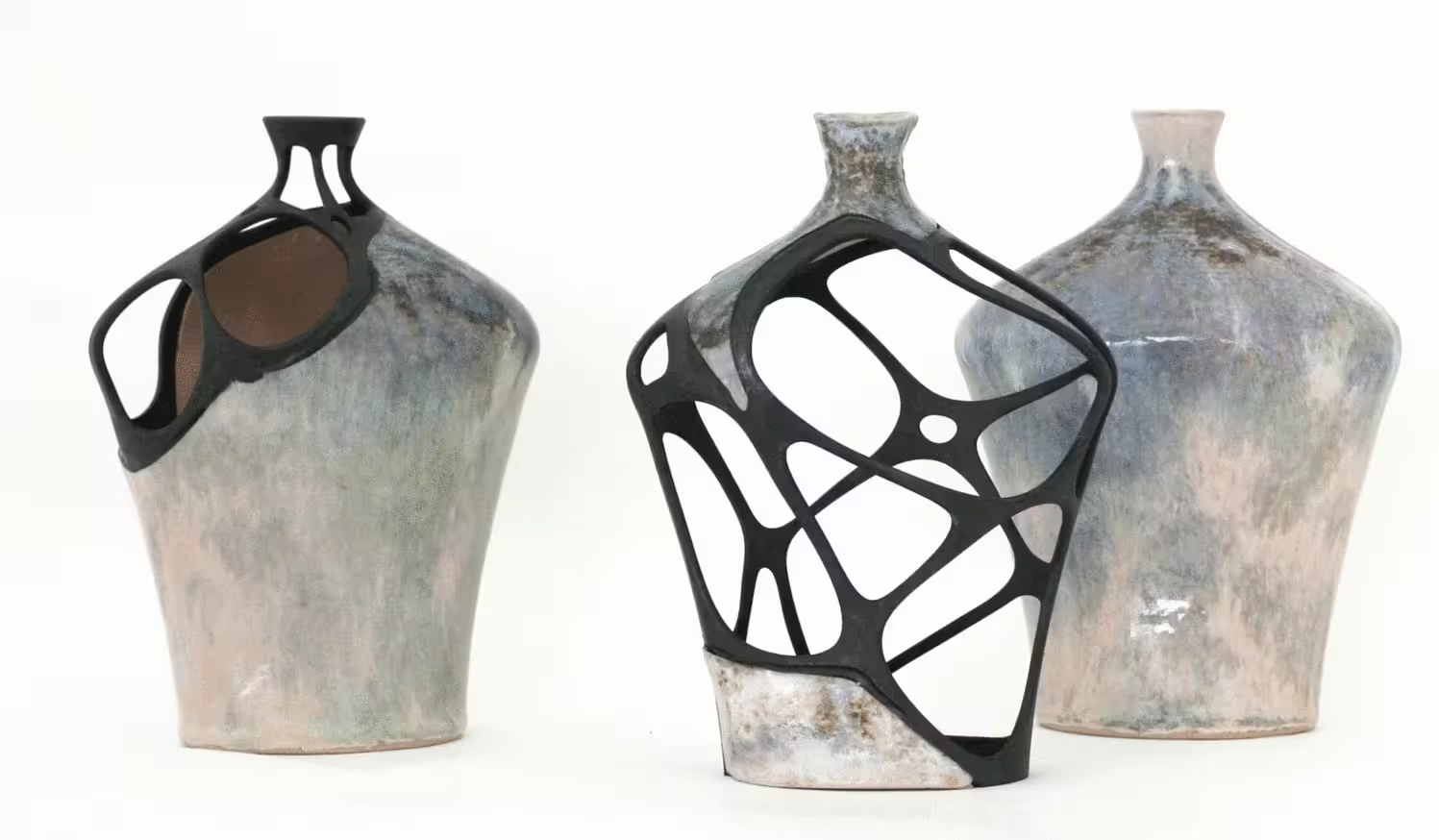
In one experimental project, Zoran describes a multisensory environment centered on a tree, where participants interact with its scents, sounds, and physical structures, augmented by AI that translates environmental data into live acoustic performances. While these projects successfully demonstrate the potential for AI to act as a bridge for deeper engagement, the study acknowledges that it did not empirically measure the psychological effects on participants, leaving the actual depth of this “becoming” as a subject for future research.
Reframing the future of creative tools
The paper challenges the industry to move beyond measuring creative success solely through technical metrics like image resolution, speed, or coherence. Instead, Zoran suggests that tools should be evaluated on their ability to encourage exploration and resist the tendency to funnel users toward homogenous patterns.
For practitioners and institutions, the recommendation is to shift focus toward the process. If AI saves time, that time can be redirected into physical material exploration or interpersonal collaboration. By documenting the duration, effort, and collaborative nature of a creative endeavor, schools and museums can move away from the “black box” model where only the final, AI-polished artifact is judged.
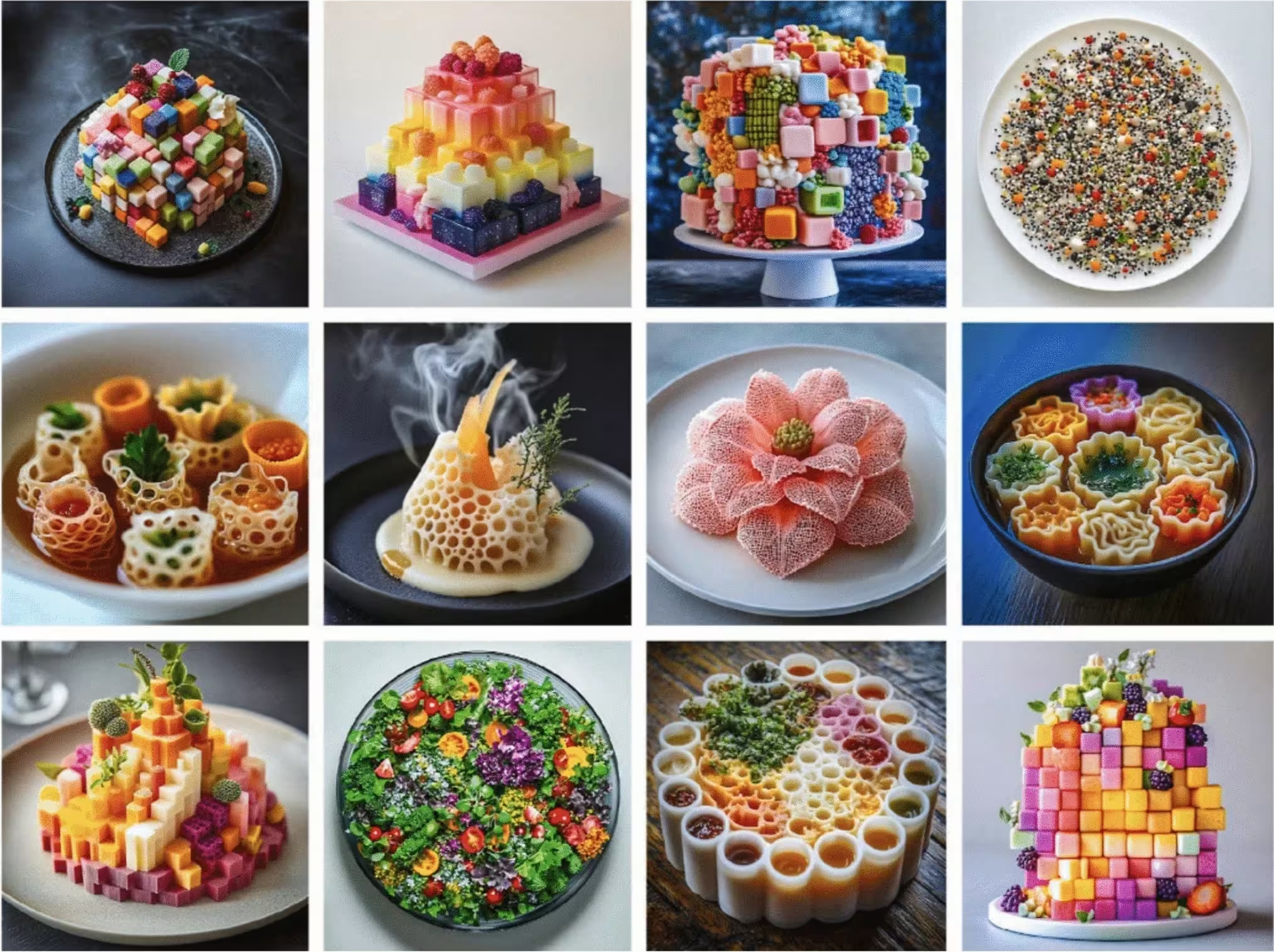
Ultimately, the argument is not that technical skill has lost its value, but that the ubiquity of generated forms demands a more nuanced approach to human creativity. Whether these tools will serve to deepen our connection to the world or merely distance us from it remains a question that designers and artists must answer through their practice.
Further Reading
- Digital gastronomy 2.0: A 15-year transformative journey in culinary-tech evolution and interaction (International Journal of Gastronomy and Food Science)
- Cultural bias and cultural alignment of large language models (PNAS Nexus)
- Probabilistic Craft- Materialization of generated images using digital and traditional craft (Proceedings of the ACM on Computer Graphics and Interactive Techniques)
- Generative AI enhances individual creativity but reduces the collective diversity of novel content (Science Advances)
- Can Computers Create Art? (Arts)
This article has been fact checked for accuracy, with information verified against reputable sources. Learn more about us and our editorial process.
Last reviewed on .
Article history
- Latest version
Reference(s)
- <https://huji.ac.il/>.
- Zoran, Amit Raphael. “Digital gastronomy 2.0: A 15-year transformative journey in culinary-tech evolution and interaction.” International Journal of Gastronomy and Food Science, vol. 39, March 1, 2025, pp. 101135 Elsevier BV, doi: 10.1016/j.ijgfs.2025.101135. <https://doi.org/10.1016/j.ijgfs.2025.101135>.
- Tao, Yan., et al. “Cultural bias and cultural alignment of large language models.” PNAS Nexus, vol. 3, no. 9, September 17, 2024 Oxford University Press (OUP), doi: 10.1093/pnasnexus/pgae346. <https://doi.org/10.1093/pnasnexus/pgae346>.
- Elran, Sharan R.., et al. “Probabilistic Craft- Materialization of generated images using digital and traditional craft.” Proceedings of the ACM on Computer Graphics and Interactive Techniques, vol. 7, no. 4, July 19, 2024, pp. 1-10. Association for Computing Machinery (ACM), doi: 10.1145/3664209. <https://doi.org/10.1145/3664209>.
- Doshi, Anil R.., et al. “Generative AI enhances individual creativity but reduces the collective diversity of novel content.” Science Advances, vol. 10, no. 28, July 12, 2024 American Association for the Advancement of Science (AAAS), doi: 10.1126/sciadv.adn5290. <https://doi.org/10.1126/sciadv.adn5290>.
- Hertzmann, Aaron. “Can Computers Create Art?.” Arts, vol. 7, no. 2, May 10, 2018, pp. 18 MDPI AG, doi: 10.3390/arts7020018. <https://doi.org/10.3390/arts7020018>.
Cite this page:
- Posted by Aisha Ahmed