Webb Just Spotted the Most Distant Supernova Ever Recorded in the Early Universe
The James Webb Space Telescope has captured a record-breaking stellar explosion, revealing a mysterious clue hidden within the early universe’s first light.
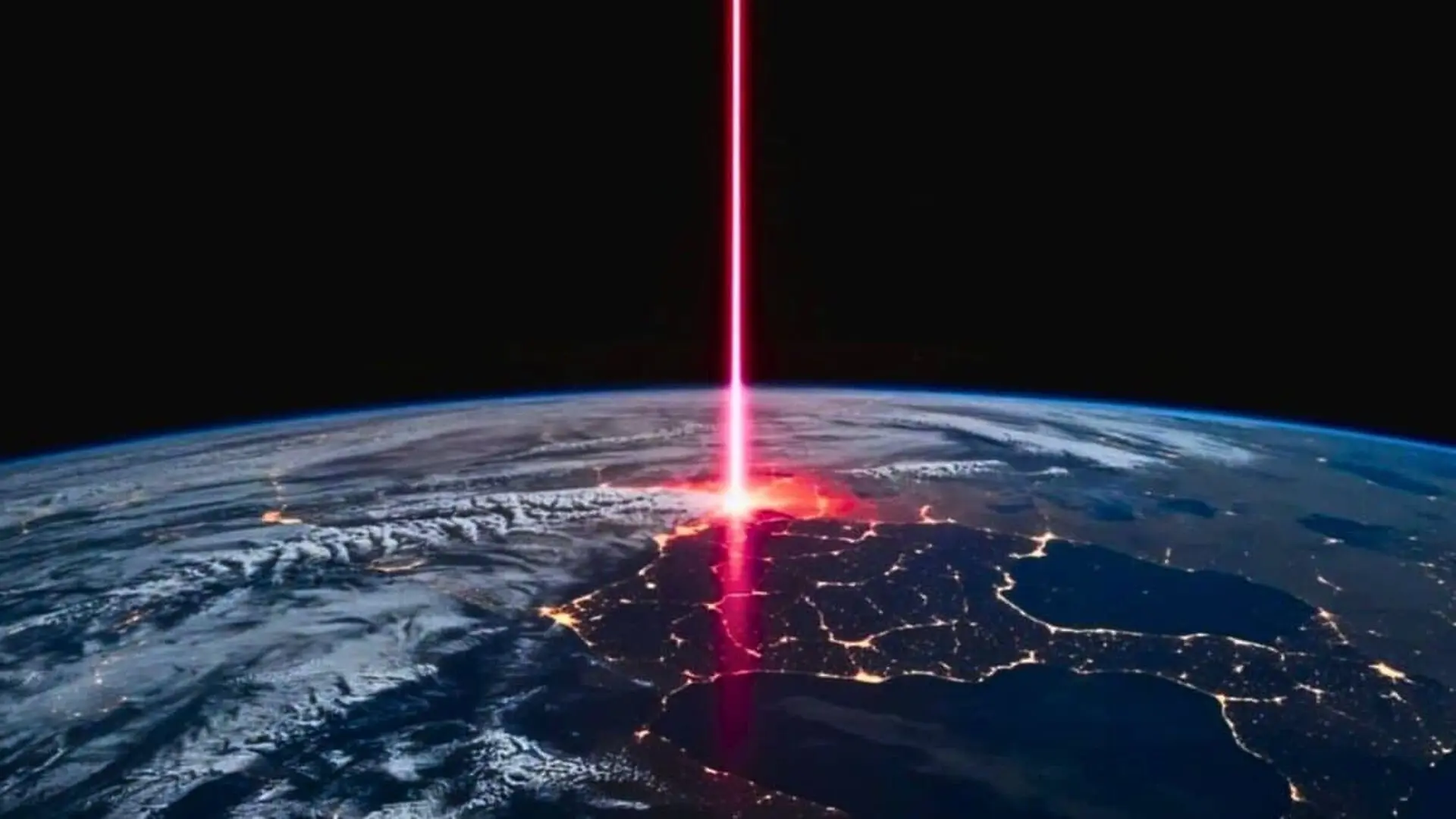
On March 14, 2025, a sudden, ten-second flash of high-energy gamma rays swept across space, triggering detectors on a specialized monitoring satellite. This fleeting burst originated from a colossal explosion that took place during the universe’s infancy, less than a billion years after the Big Bang. Swift global coordination among space-based and ground-based observatories allowed astronomers to pinpoint the event, now designated GRB 250314A, and ultimately capture it with the unprecedented sensitivity of the James Webb Space Telescope.
A Record-Breaking Glimpse into the Cosmic Dawn
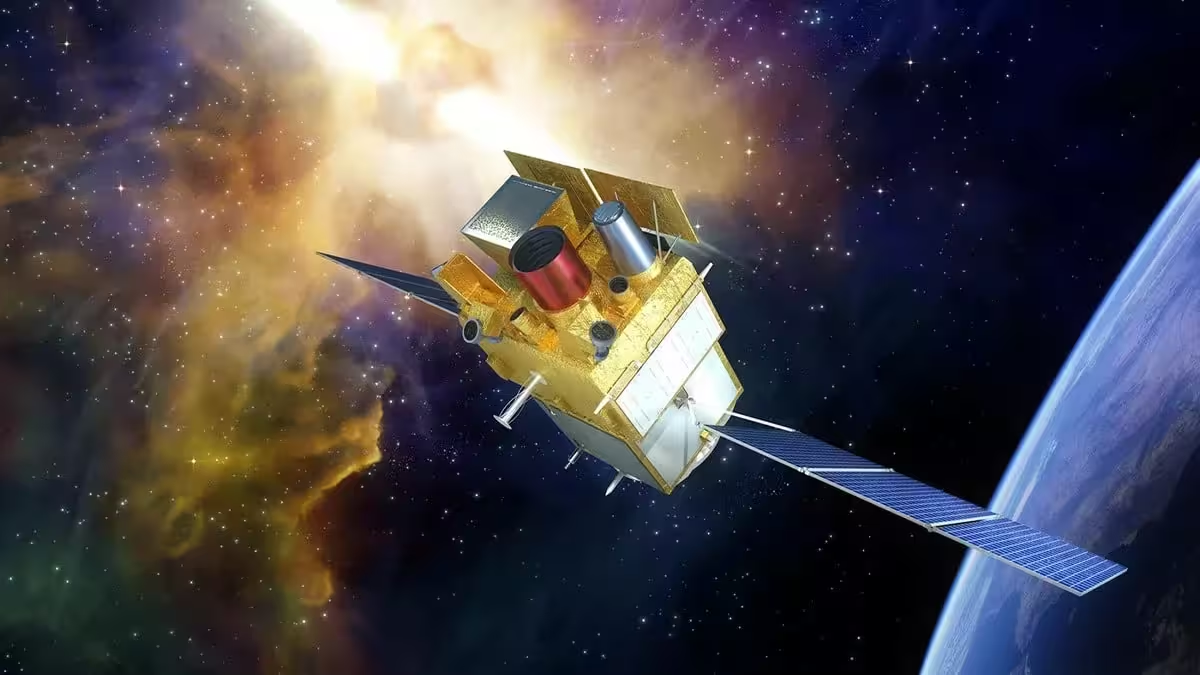
The initial alert was delivered by the SVOM (Space-based multi-band astronomical Variable Objects Monitor) mission, a collaboration between France and China. Within ninety minutes, NASA’s Neil Gehrels Swift Observatory refined the coordinates, facilitating a rapid follow-up by ground-based facilities. Eleven hours later, the Nordic Optical Telescope in the Canary Islands identified an infrared afterglow, while the Very Large Telescope in Chile subsequently determined the event occurred only 730 million years after the Big Bang.
This discovery confirms GRB 250314A as the earliest supernova ever documented, shattered the previous record of 1.8 billion years. Spectroscopic analysis by the Stargate collaboration confirmed a redshift of 7.3, placing the explosion firmly within the era of reionization. According to the Paris Observatory, this marks the third most distant gamma-ray burst ever measured using this method.
Webb Captures the Fading Light
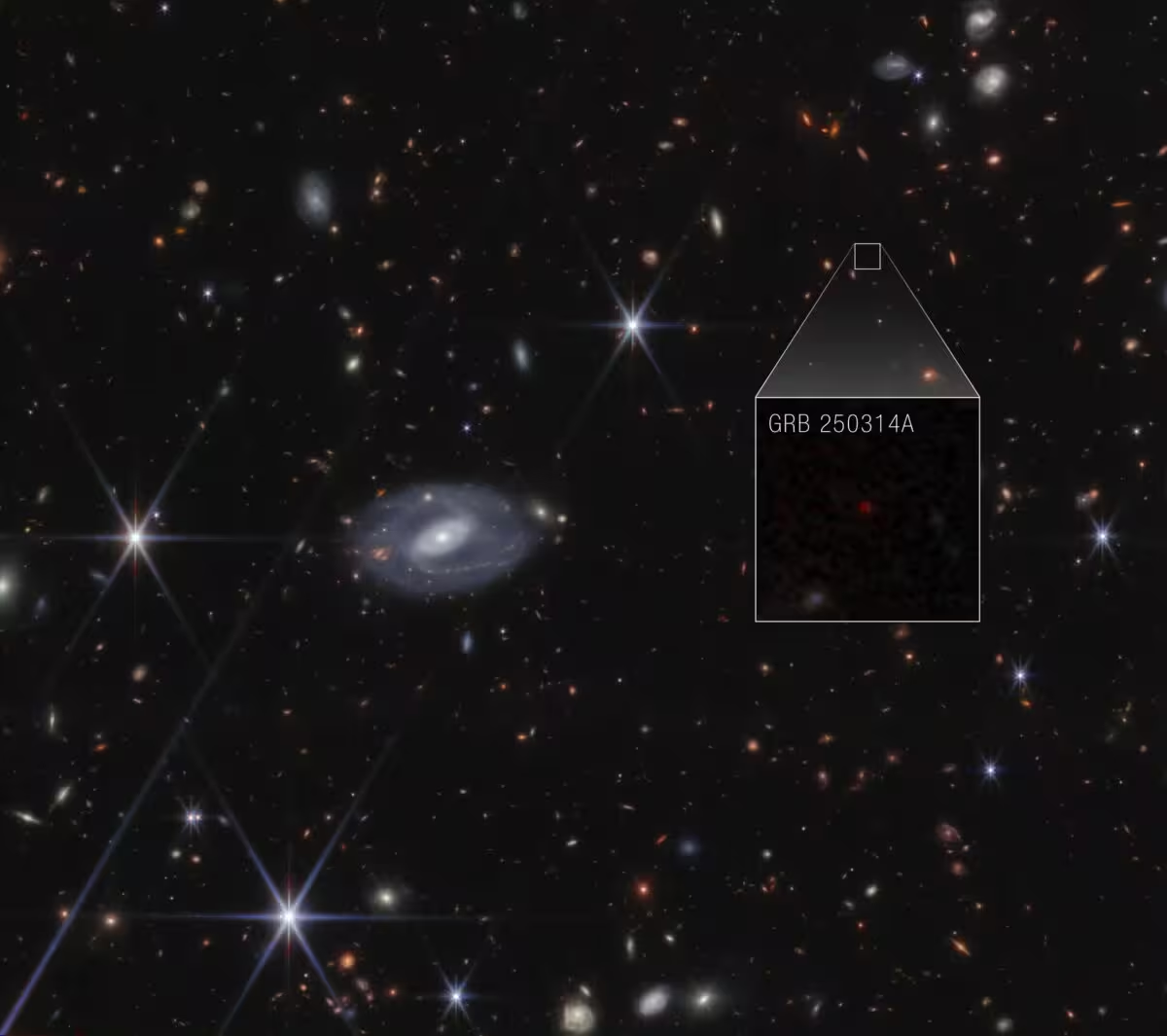
Because the expansion of the universe stretches both the light and the apparent duration of distant events, astronomers strategically delayed their observation with the James Webb Space Telescope. By July 1, 2025—three and a half months after the initial detection—the telescope was perfectly positioned to capture the peak brightness of the supernova’s aftermath. The resulting NASA’s Webb observations not only visualized the explosion but also provided the first-ever detection of a host galaxy at such an extreme distance.
“Webb provided the rapid and sensitive follow-up we needed,” remarked Benjamin Schneider, a postdoctoral researcher at the Laboratoire d’Astrophysique de Marseille.
Surprising Similarities to Modern Stars
A key aspect of this research was determining whether primordial stars behaved differently than their modern counterparts. While theoretical models suggest that stars born in the early universe contained fewer heavy elements and possessed different physical characteristics, the findings for GRB 250314A provided a surprise.
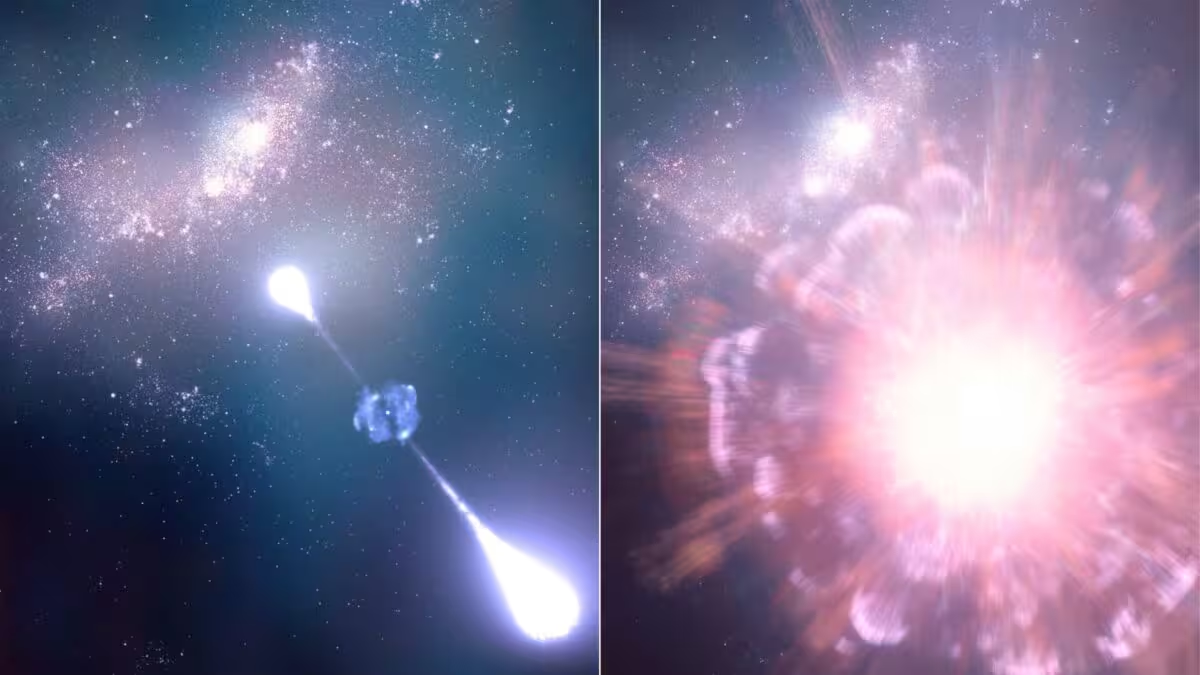
“We went in with open minds,” said Nial Tanvir, a professor at the University of Leicester. “And lo and behold, Webb showed that this supernova looks exactly like modern supernovae.” According to the European Space Agency, while the cosmic environment has changed significantly since that time, the fundamental physics of this stellar death appeared remarkably familiar, prompting calls for further study to identify any subtle evolutionary differences.
This article has been fact checked for accuracy, with information verified against reputable sources. Learn more about us and our editorial process.
Last reviewed on .
Article history
- Latest version
Reference(s)
- astrophysique, Observatoire. “SVOM detects signal from supernova dating back 13 billion years – Observatoire de Paris - PSL - Centre de recherche en astronomie et astrophysique.”, December 9, 2025 Observatoire de Paris - PSL - Centre de recherche en astronomie et astrophysique, doi: https://observatoiredeparis.psl.eu/svom-detects-signal-from.html. <https://observatoiredeparis.psl.eu/svom-detects-signal-from.html>.
- McCoy, Marty. “NASA’s Webb Identifies Earliest Supernova to Date, Shows Host Galaxy - NASA Science.”, December 9, 2025 NASA <https://science.nasa.gov/missions/webb/nasas-webb-identifies-earliest-supernova-to-date-shows-host-galaxy/>.
- <https://www.esa.int/Science_Exploration/Space_Science/Webb/Webb_identifies_earliest_supernova_to_date>.
Cite this page:
- Posted by Aisha Ahmed