Patton’s Pre‑War Bombing of Hawaiian Lava: Did 40 Explosives Really Stop the Eruption
Patton led a daring plan to bomb lava away from Hilo, but nearly a century later scientists still debate its effectiveness.
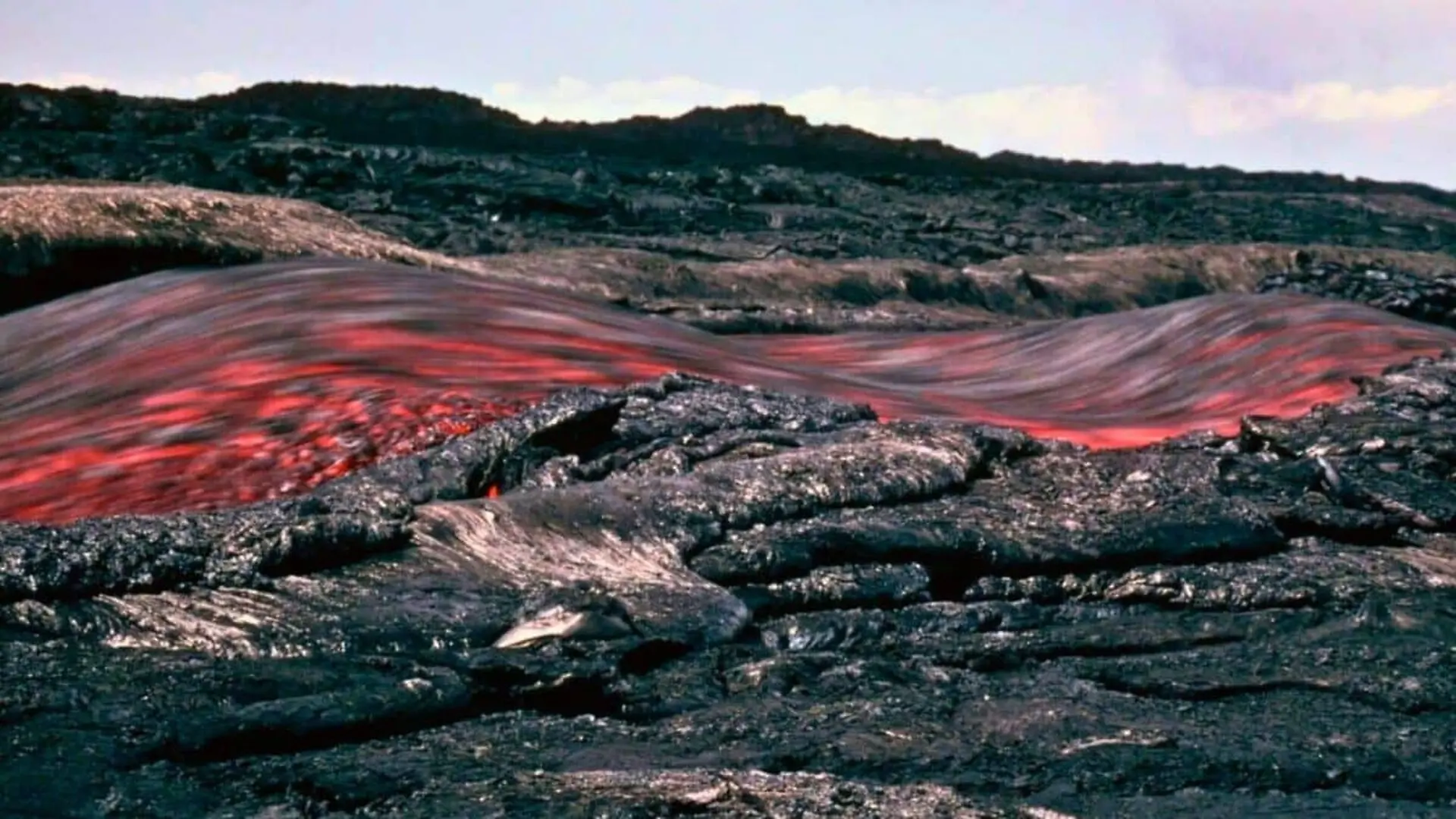
In the winter of 1935, a U.S. military effort attempted to redirect a rapidly advancing lava stream on Hawaii’s Mauna Loa, deploying aircraft under the supervision of Lieutenant Colonel George S. Patton, who would later command Allied tank forces in Europe.
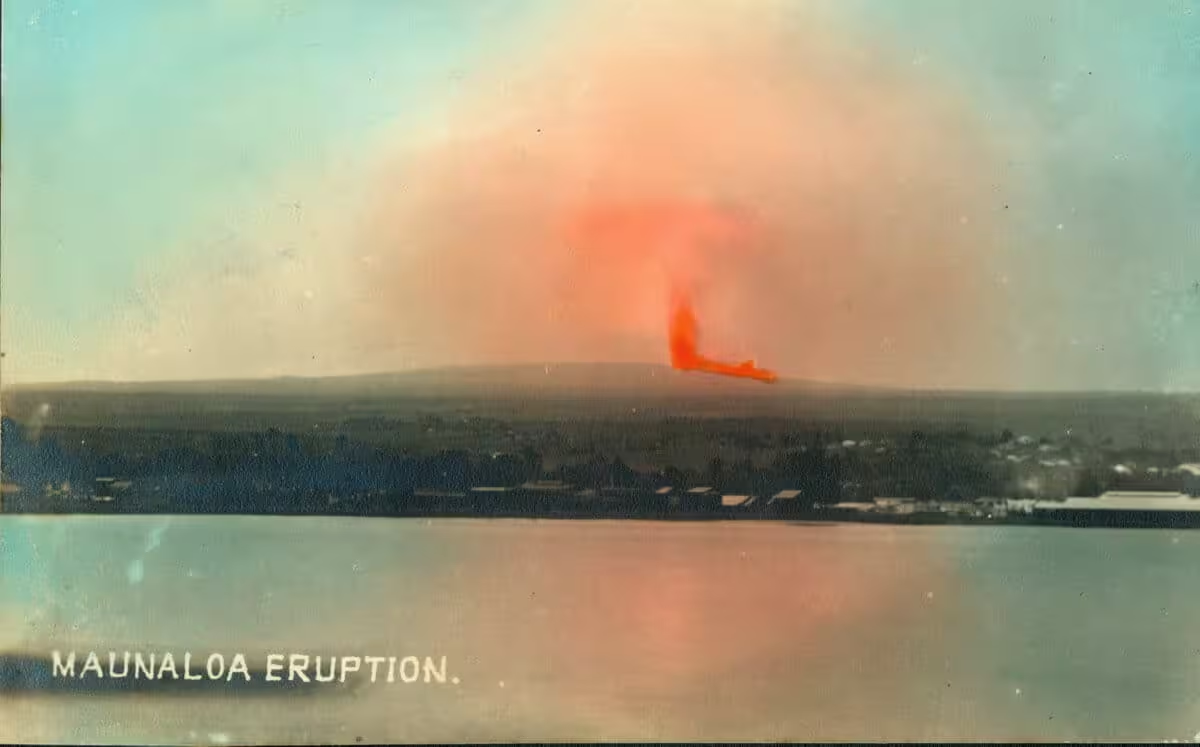
The eruption began on November 21, 1935 when molten material broke through the summit caldera. Within five days the activity shifted to the volcano’s northeast rift zone, and a new vent opened on the northern flank on November 27, producing pāhoehoe lava that pooled in a saddle between Mauna Loa and Mauna Kea.
By late November the lava had entered a channel on the northeast side of the mountain, roughly one mile wide and moving eastward toward the town of Hilo at about one mile per day, according to a USGS report. Residents feared the loss of the Wailuku River, a vital water source for the community.
Dr. T. A. Jaggar, director of the Hawaiian Volcano Observatory, and volcanologist R. Finch proposed using explosives near the vent to break the subsurface channels that confined the flow. Earlier discussions about employing explosives during the 1880‑81 eruption had never materialized.
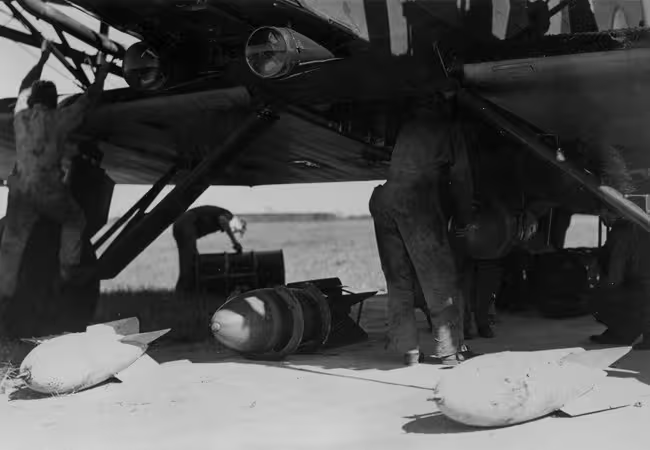
Jaggar appealed to the U.S. Army Air Service for assistance, and Patton was tasked with directing the operation. On December 27, a fleet of planes dropped a total of 40 bombs onto the lava channel. The payload comprised twenty 600‑pound MK I demolition bombs—each containing 355 pounds of TNT and equipped with a 0.1‑second delay fuse—and twenty smaller “pointer” devices intended to mark impact points.
According to National Park Service records, sixteen of the larger bombs reached the target zone, and twelve struck the lava tunnel that channelled molten rock toward Hilo.
Jaggar observed the strike from a telescope positioned near Mauna Kea and declared the experiment a complete success, stating that the results matched his expectations. In the days that followed, the flow’s advance slowed dramatically, dropping from more than 5,000 feet per day to roughly 1,000 feet per day before halting on January 2, 1936.
Scientists Remain Divided Over the Bombs’ Role in Slowing the Lava
USGS geologist Howard Stearns, who rode in the final aircraft that delivered the ordnance, later wrote that the timing appeared coincidental rather than causal. Subsequent analyses have highlighted the limited impact of the 1935 bombing and a similar attempt made in 1942, noting that the flow weakened over several days without a clear directional shift.
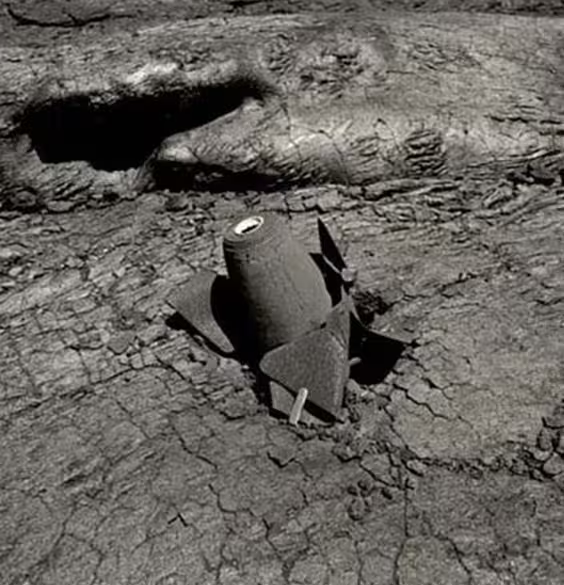
The United States Geological Survey still lists the effectiveness of the bombing as unresolved. While Jaggar credited the explosives with hastening the end of the flow, the eruption ceased only six days later, leaving the true contribution of the bombs open to interpretation.
Historical Consensus Holds That the Bombing’s Impact Remains Inconclusive
Both the USGS and the National Park Service conclude that the question of whether aerial bombing stopped the 1935 lava flow has yet to be settled. The episode remains a unique case study in the intersection of military technology and volcanic hazard mitigation, illustrating both the ingenuity and the uncertainties that accompany such unconventional interventions.
This article has been fact checked for accuracy, with information verified against reputable sources. Learn more about us and our editorial process.
Last reviewed on .
Article history
- Latest version
Reference(s)
- “1935 Eruption of Mauna Loa Threatened Hilo.” USGS <https://www.usgs.gov/volcanoes/mauna-loa/science/1935-eruption-mauna-loa-threatened-hilo>.
Cite this page:
- Posted by Aisha Ahmed