NASA Tested A New Radiation Vest In Deep Space And The Results Were Better Than Expected
Testing a new wearable radiation shield during Artemis I reveals how future lunar astronauts can gain essential protection from deep space radiation.
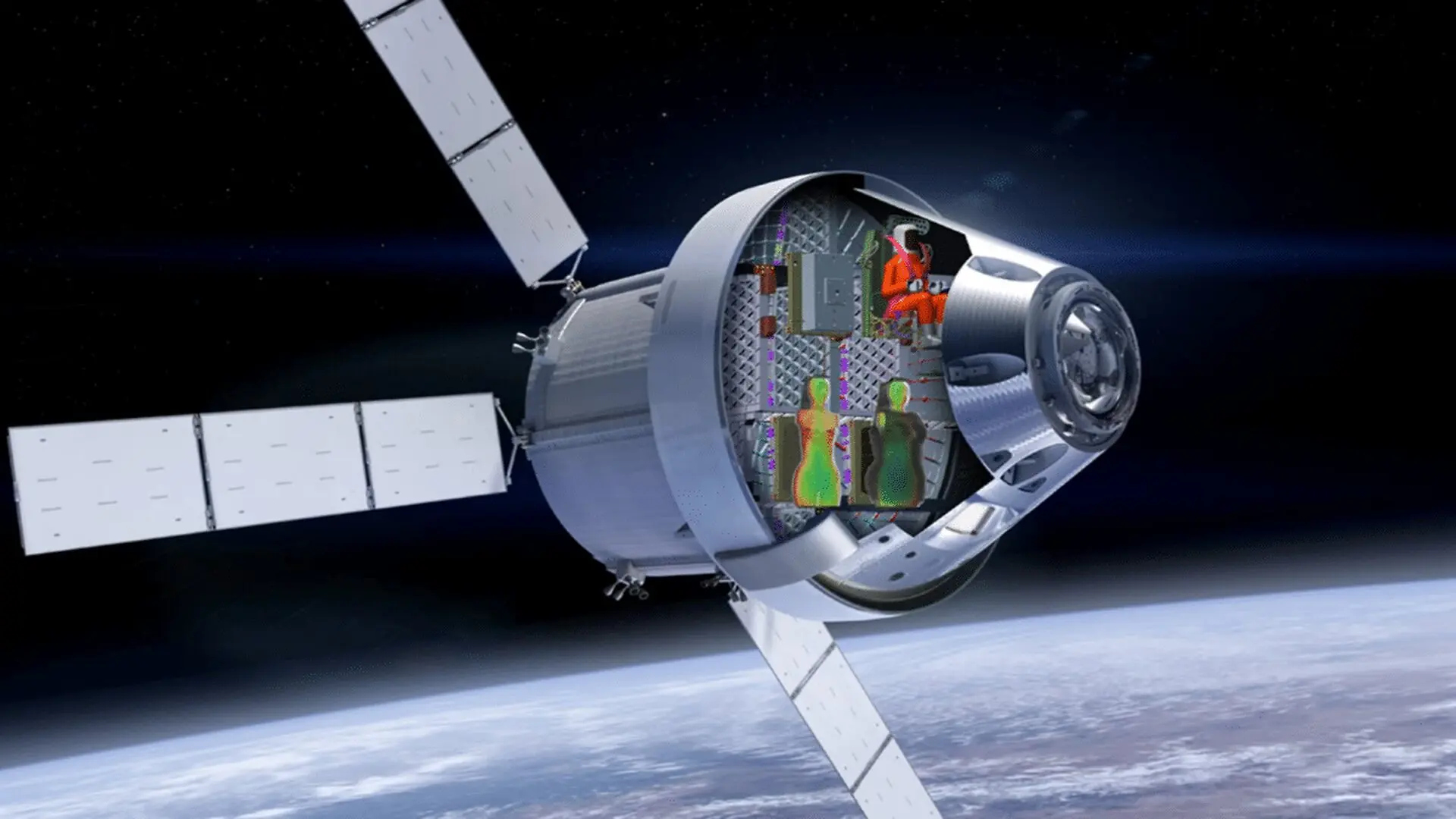
A novel wearable radiation shielding system, evaluated during NASA’s uncrewed Artemis I mission, has demonstrated that astronauts could maintain mobility while receiving targeted protection from solar radiation. Findings published in Science Advances indicate that the technology, dubbed AstroRad, outperformed initial efficacy projections during its voyage around the Moon, marking a significant milestone in mitigating one of the primary health risks associated with deep-space exploration.
Beyond Static Shielding: A Mobile Defense
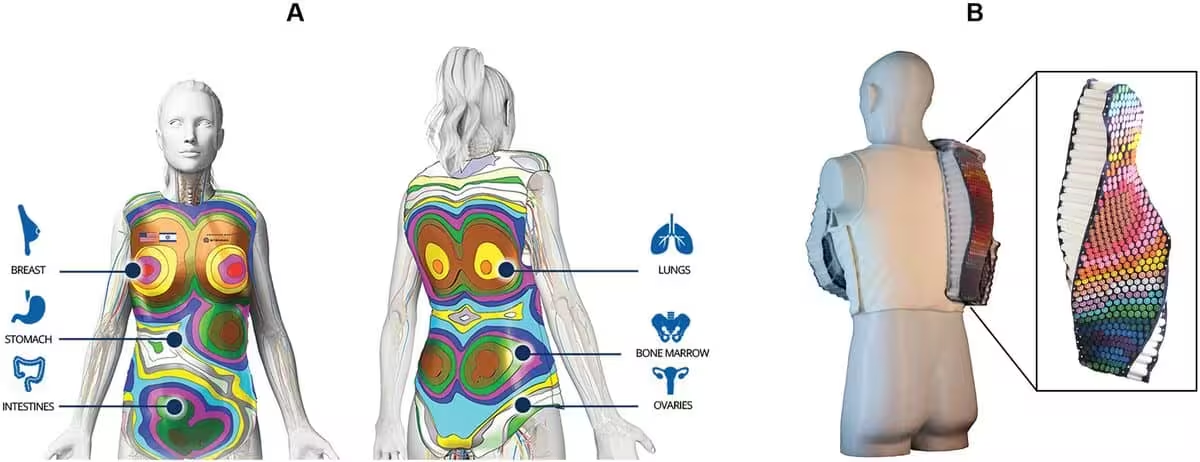
Traditional space travel relies on shielding the entire craft, a strategy that is both heavy and inflexible. The AstroRad system, developed by StemRad, approaches the problem differently by creating a wearable barrier designed to protect radiation-sensitive organs while allowing crew members to continue their duties. This represents a departure from current protocols, which often require astronauts to remain inside a dedicated, static storm shelter during periods of high radiation.
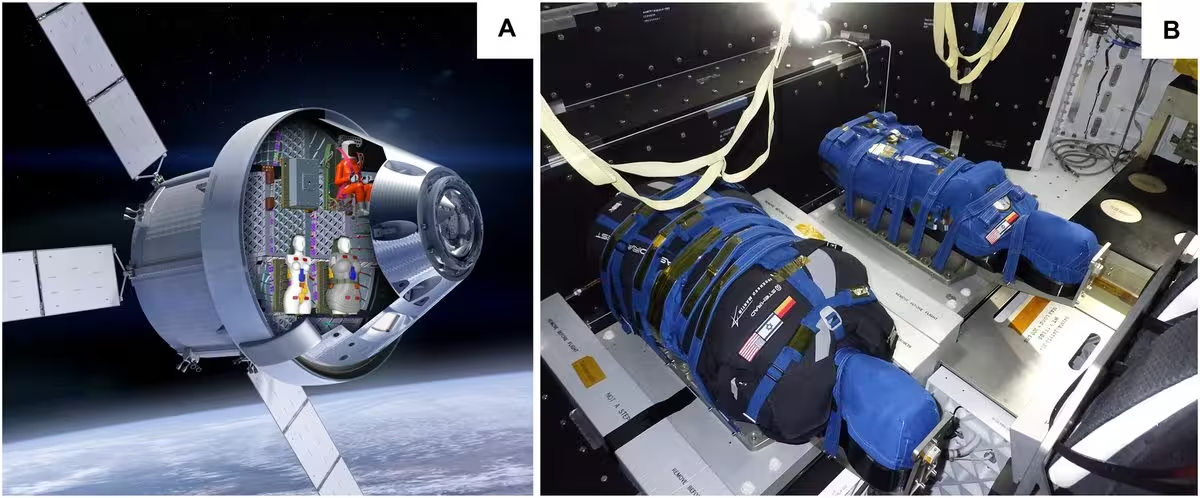
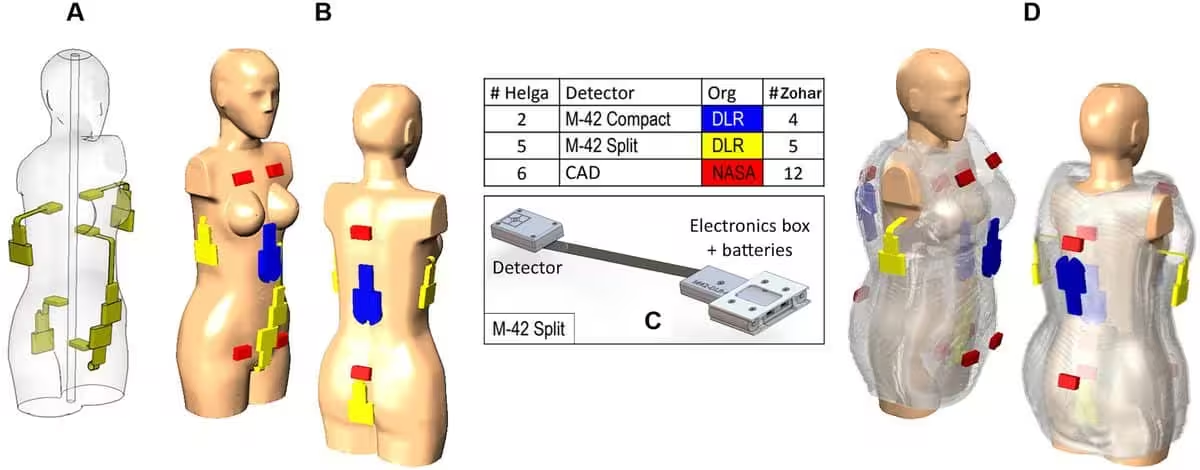
During the Artemis I flight, the effectiveness of this wearable tech was put to the test using two instrumented mannequins, Helga and Zohar. While Helga served as the control—flying without protection—Zohar was equipped with the AstroRad vest. Both traveled aboard the Orion spacecraft, providing researchers with a direct, real-time comparison of radiation exposure throughout the lunar journey.
Performance Exceeds Expectations
Data gathered by the mannequins provided a detailed map of the radiation environment Orion navigated. As expected, sensors recorded significant spikes when the spacecraft passed through the Van Allen radiation belts, while readings dipped when the Moon obstructed the flow of particles. However, the magnitude of the protection provided by the vest caught researchers off guard.
Initial models suggested the system would reduce exposure by approximately 45 percent. The actual flight performance proved even more robust, leading the research team to conduct rigorous checks to ensure the data was accurate. This success suggests that intelligent, targeted shielding will play a vital role in the future of long-duration space travel.
Operational Freedom for Future Explorers
The primary benefit of a wearable shield is its ability to support mission continuity. According to StemRad co-founder and CEO Oren Milstein, the goal is not to abandon static shelters but to shift the paradigm toward more intelligent, surgical use of protection. By wearing the shield, astronauts gain the freedom to move throughout the craft and execute critical tasks even when radiation levels are elevated.
As space agencies look toward missions to Mars and extended stays on the lunar surface, the necessity for such practical, lightweight, and efficient protection systems becomes paramount. The Artemis I data serves as a proof-of-concept, suggesting that these wearable shields could become standard equipment for crews venturing beyond the protective blanket of Earth’s magnetic field.
This article has been fact checked for accuracy, with information verified against reputable sources. Learn more about us and our editorial process.
Last reviewed on .
Article history
- Latest version
Reference(s)
- Houri, Jordan M.., et al. “First evaluation of wearable radiation protection for human deep space exploration, as flown on Artemis I.” Science Advances, vol. 12, no. 33, August 14, 2026 American Association for the Advancement of Science (AAAS), doi: 10.1126/sciadv.adz1892. <https://www.science.org/doi/10.1126/sciadv.adz1892>.
Cite this page:
- Posted by Aisha Ahmed