Adding Just Five Minutes to Boarding Times Could Finally Fix Flight Delays
Delta’s new five-minute boarding procedure has successfully increased on-time departures by 32%, according to recent study data.
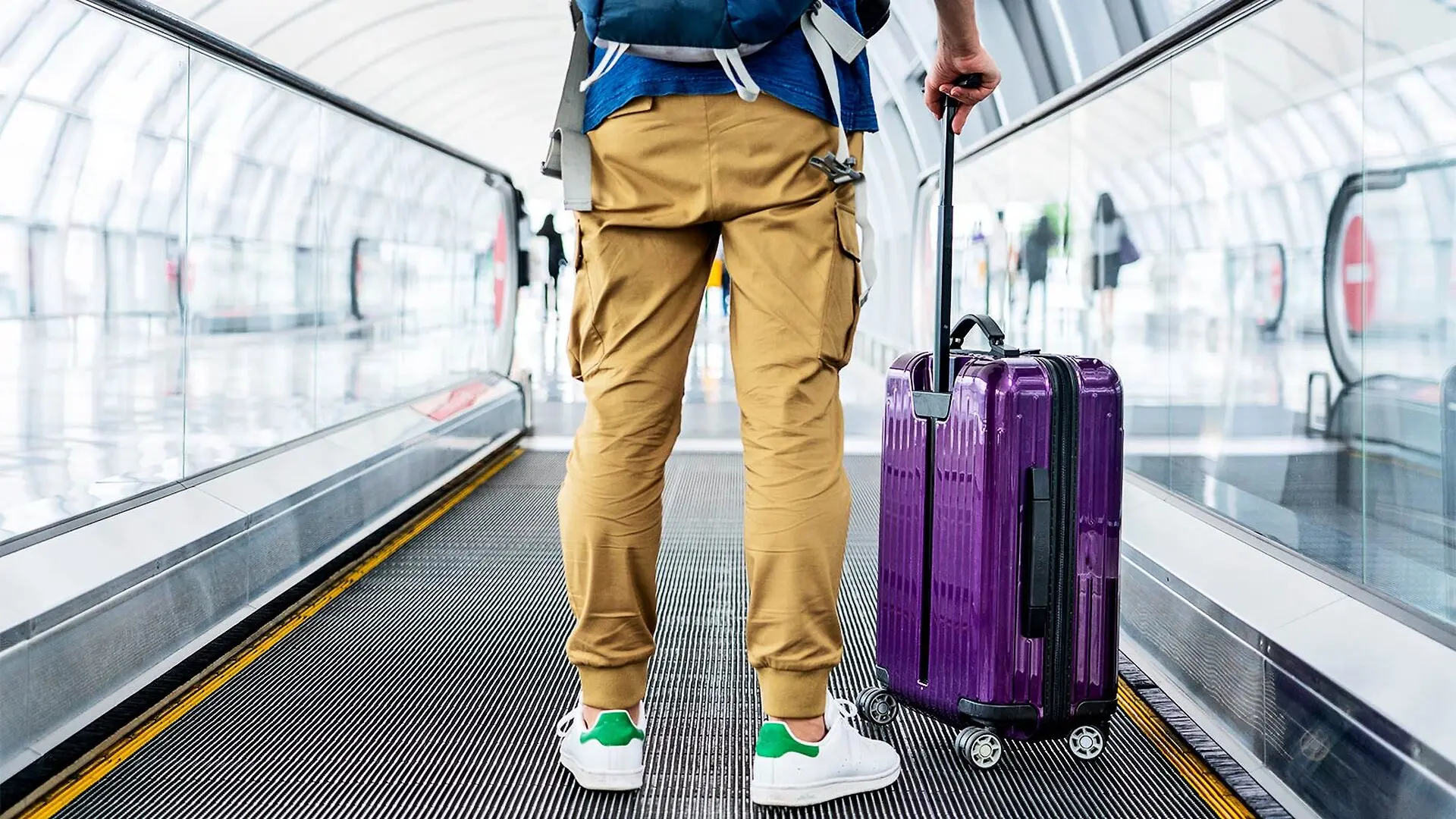
A recent analysis of airline operations has revealed a counterintuitive solution to the persistent problem of flight delays: simply giving passengers more time to board. By extending the scheduled boarding window by five minutes, Delta Air Lines successfully improved its on-time departure rates, according to findings published in Production and Operations Management.
The research focused on policy adjustments implemented by Delta on June 2, 2022. During this period, the airline expanded the designated boarding window for domestic narrow-body aircraft from 35 to 40 minutes. This extra time was carved out by reallocating segments of the gate turnaround process, such as cleaning, baggage handling, and refueling. Simultaneously, Delta became the first major carrier in the United States to begin compensating flight attendants for time spent during the boarding process at 50 percent of their standard hourly rate.
Efficiency Gains Over Financial Incentives
The data suggests that the expanded boarding window had a measurable impact on performance. Flights were able to depart approximately 1.5 minutes earlier on average, and the statistical probability of a timely departure increased by roughly 33 percent. Conversely, the study found no evidence that the new compensation policy for flight attendants contributed to faster departures.
Milind Sohoni, a professor of operations management and strategy at the University at Buffalo School of Management and coauthor of the study, noted that flight attendants are already subject to stringent on-time performance metrics. “Flight attendants already have strong incentives to depart on time, including point-based reliability policies and on-time bonuses, leaving little room for pay to speed things up,” Sohoni explained.
The researchers utilized a comparative analysis involving approximately 622,000 flights between April and July 2022. By evaluating Delta’s narrow-body operations against its own wide-body fleet—which did not receive the extended boarding time—and comparing these results with performance data from American and United Airlines, the team was able to isolate the effectiveness of the policy change.
Scaling Results Across Daily Operations
The benefits of the additional five minutes were most pronounced during challenging operational periods. As delays typically compound throughout the day, the efficiency gains were higher for evening departures, where delays were reduced by an average of 2.4 minutes compared to 0.8 minutes for morning flights. Furthermore, high-traffic routes saw a 2.1-minute improvement in departure reliability.
The study highlights that because boarding is the final stage of the pre-departure sequence, any inefficiencies in this window inevitably create a ripple effect. By alleviating this bottleneck, the airline was able to achieve significant operational savings. According to the research, the change saves the carrier approximately $11 million monthly in operating costs, while providing roughly $12.5 million in value to passengers through time saved. Even when accounting for the $5.4 million monthly cost of paying flight attendants for boarding time, the combined strategy remains a net positive for the airline.
While the compensation shift did not directly influence departure speed, the authors emphasized that such policies remain crucial for broader industry goals, including crew retention, workplace morale, and equitable compensation. The research team included scholars from the University at Buffalo, Michigan State University, and the University of Arkansas.
This article has been fact checked for accuracy, with information verified against reputable sources. Learn more about us and our editorial process.
Last reviewed on .
Article history
- Latest version
Reference(s)
- Manchiraju, Chandrasekhar., et al. “Improving operational performance through boarding time slack: Evidence from the U.S. airline industry.” Production and Operations Management, October 19, 2026 SAGE Publications, doi: 10.1177/10591478261500799. <https://doi.org/10.1177/10591478261500799>.
Cite this page:
- Posted by Asif Iqbal