Can Artificial Intelligence Spot Hidden Heart Disease Risks During Routine Mammograms
A comprehensive review of artificial intelligence models reveals high diagnostic accuracy in detecting vascular calcifications on routine breast images, potentially closing a major gap in women’s cardiovascular health.
Routine mammograms could soon double as a cardiovascular checkup for women, thanks to artificial intelligence tools that spot hidden signs of heart disease with high accuracy. While women face higher mortality rates after cardiac events than men, early warning signs often go unnoticed during standard breast cancer screenings.
Cardiovascular disease remains the leading cause of death globally, but standard risk calculators often underestimate danger in female patients. Researchers are increasingly focusing on breast arterial calcifications, which are calcium deposits in the middle layer of mammary arteries that reflect systemic arterial stiffness and vascular aging. Although these deposits appear in up to about forty-two percent of routine mammograms, radiologists frequently omit them from reports because guidelines classify the finding as optional and no universal scoring system exists.
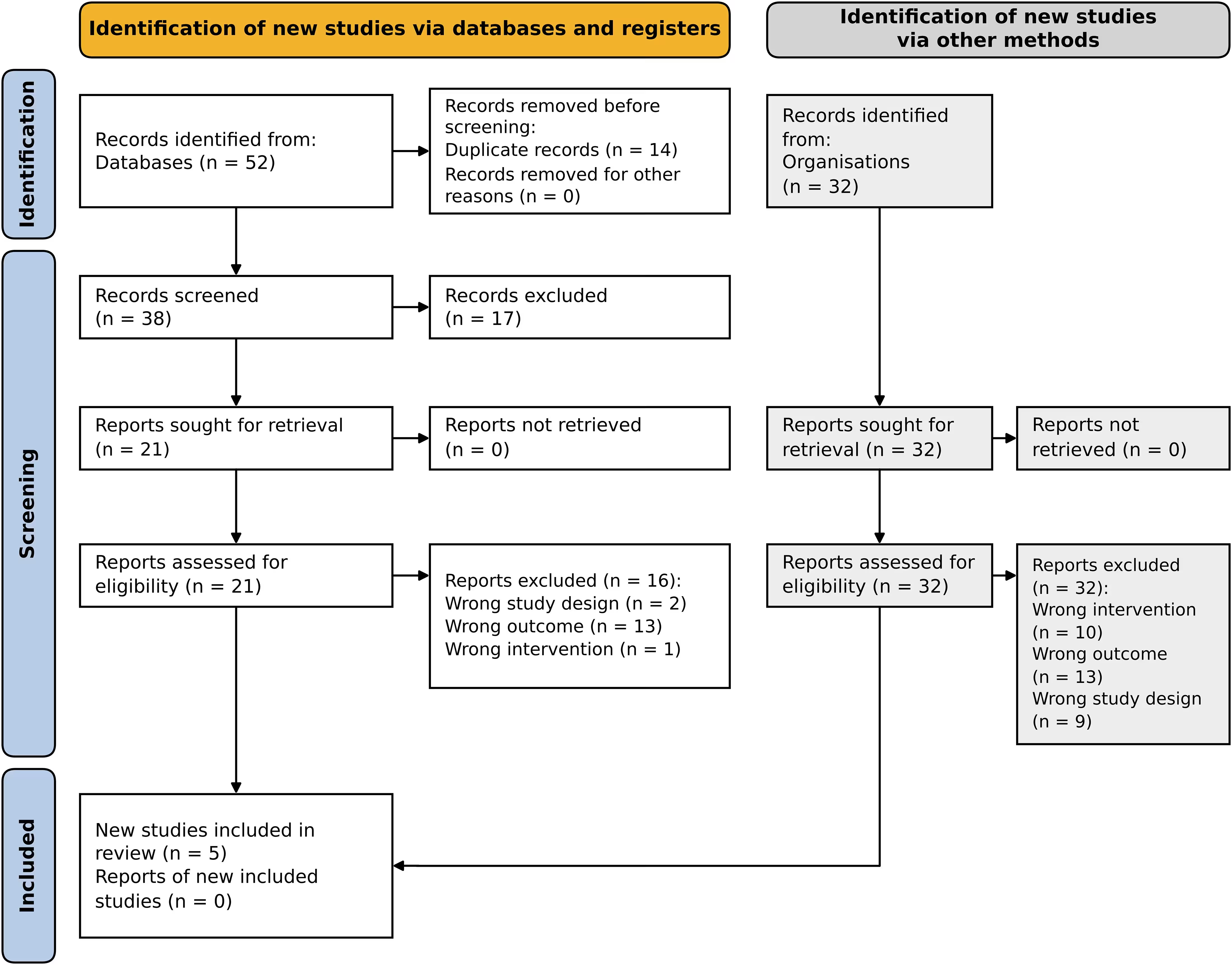
To address this clinical gap, a new systematic review examined how computer algorithms perform in identifying these calcium deposits compared to human experts. The study, published in PLOS Digital Health by A. Price Campbell and colleagues from various institutions, analyzed five retrospective studies published between 2023 and 2024, covering a total of twelve thousand nine hundred twenty-four women.
How Well Do Computer Algorithms Match Human Experts?
The reviewed studies evaluated deep learning models, specifically variants of convolutional neural networks, which process medical images in ways similar to human visual recognition. Across the investigated research, the area under the receiver operating characteristic curve, a standard measure of diagnostic ability where one represents perfection, ranged from 0.84 to 0.96. This indicates strong discriminatory performance across the board.
Sensitivity, representing the ability of the software to correctly identify true positive cases, ranged from nearly seventy percent to eighty-seven percent. Meanwhile, specificity, which measures how reliably models clear healthy patients, reached up to 0.98 in evaluations that reported the metric. Overall classification accuracy across the models spanned from 0.81 to nearly one, with a mean accuracy of 0.91, showing that automated systems matched radiologist assessments in most trials.
What Are the Limitations of Current Medical AI Research?
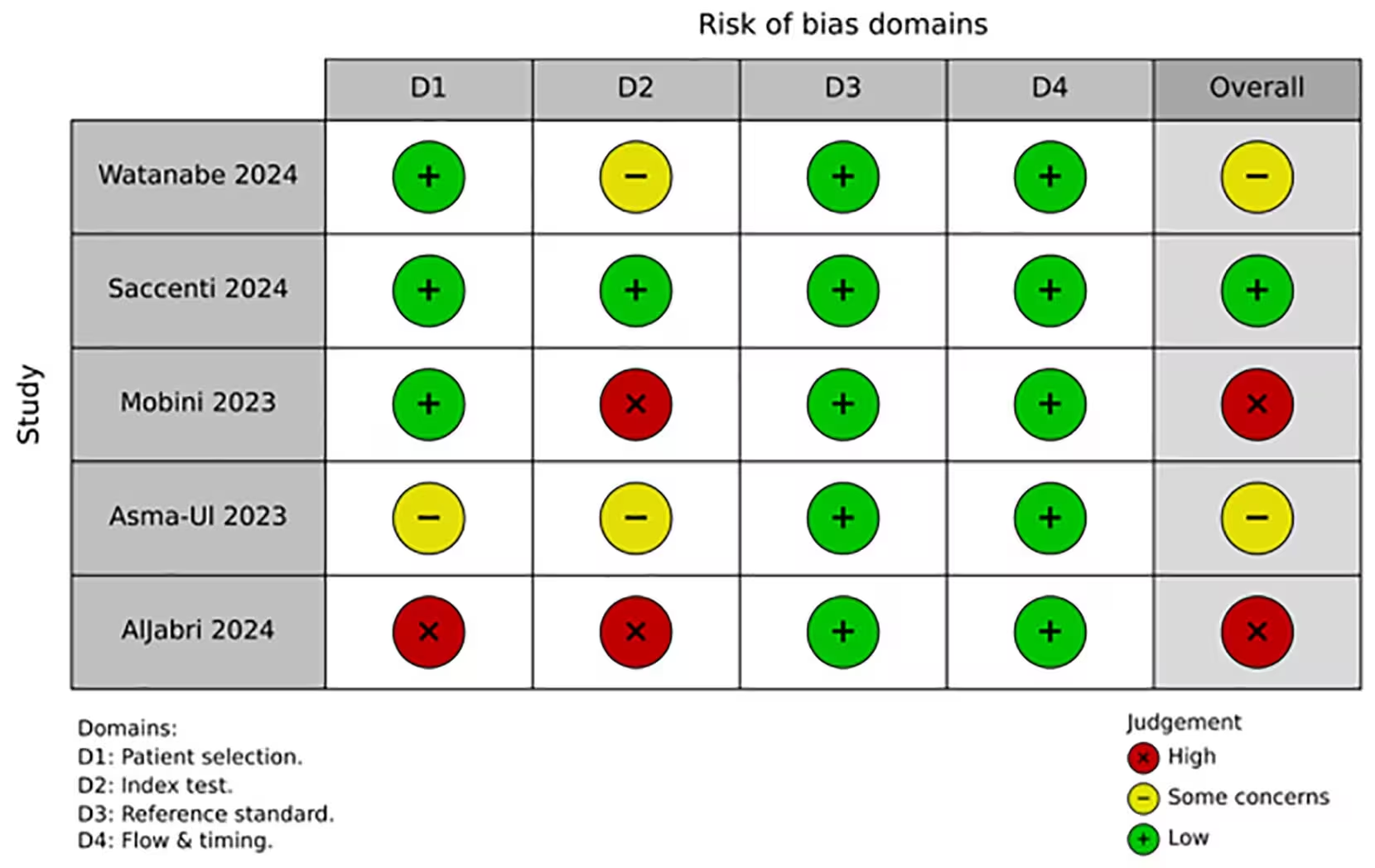
Despite promising performance numbers, the authors noted several methodological constraints in the underlying literature. All five evaluated studies relied on retrospective data, which can introduce selection biases and limit how well algorithms generalize to everyday clinical settings. Furthermore, none of the studies pre-specified their decision thresholds before testing, a factor that can sometimes inflate performance metrics.
Another challenge involves the lack of a universal reference standard, as human evaluators relied on differing consensus methods or single-reader scorings to establish ground truth. The authors emphasized that automated tools should serve as clinical adjuncts rather than replacements for professional radiologist oversight. Prospective clinical trials utilizing diverse, multi-institutional patient cohorts will be required before these tools see widespread clinical adoption.
The research was published in PLOS Digital Health on November 24, 2026.
This article has been fact checked for accuracy, with information verified against reputable sources. Learn more about us and our editorial process.
Last reviewed on .
Article history
- Latest version
Reference(s)
- Campbell, A. Price., et al. “Artificial intelligence for breast arterial calcification detection on mammography: A systematic review of diagnostic accuracy.” PLOS Digital Health, vol. 5, no. 11, November 24, 2026, pp. e0001829 Public Library of Science (PLoS), doi: 10.1371/journal.pdig.0001829. <https://doi.org/10.1371/journal.pdig.0001829>.
Cite this page:
- Posted by James Whitmore