AI Virtually Unwraps 2,000-Year-Old Charred Roman Scroll, Revealing Hidden Stoic Text
Scientists decode 2,000-year-old carbonized Roman scroll without opening, uncovering lost philosophy via advanced imaging and virtual reconstruction.
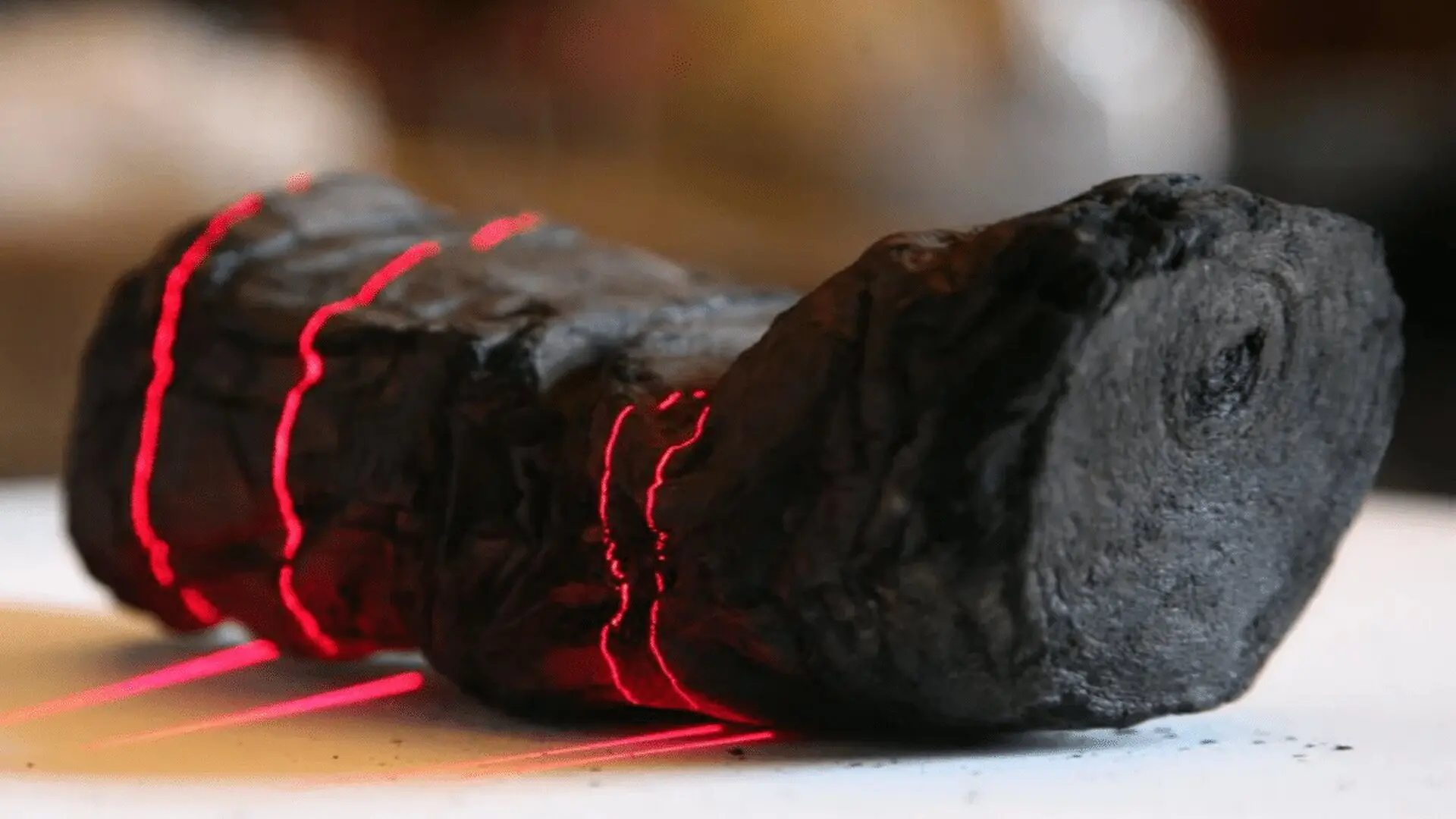
A 2,000‑year‑old carbonized scroll rescued from the ash of Mount Vesuvius has been deciphered in its entirety using non‑invasive imaging, marking a milestone for the study of ancient papyri. The EduceLab team in Kentucky announced that advanced X‑ray tomography and computational reconstruction allowed the complete text of PHerc. 1667 – part of the Herculaneum collection – to be rendered readable without ever being unrolled.
From Ash to Archive: The Challenge of Herculaneum Papyri
The papyrus rolls were uncovered in a Roman villa buried by the 79 CE eruption of Mount Vesuvius. Intense heat carbonised the documents, turning them into brittle black cylinders that disintegrate at the slightest touch. Conventional attempts to unroll them have repeatedly shattered the fragile layers, leaving scholars with only fragments. PHerc. 1667 suffered the same fate; early physical openings in the 1980s produced at most a few discernible letters.
“When the scroll was opened in the 1980s it was declared unreadable,” explained Federica Nicolardi, assistant professor of papyrology at Università degli Studi di Napoli Federico II, referencing the lab’s announcement. “Only isolated characters survived, and overlapping strata concealed the script, giving the roll a readability score of zero. The virtual unwrapping now lets us trace sustained arguments across several columns, which is a transformative development,” she added.
Digital Unfolding: How the Scroll Was Rendered Visible
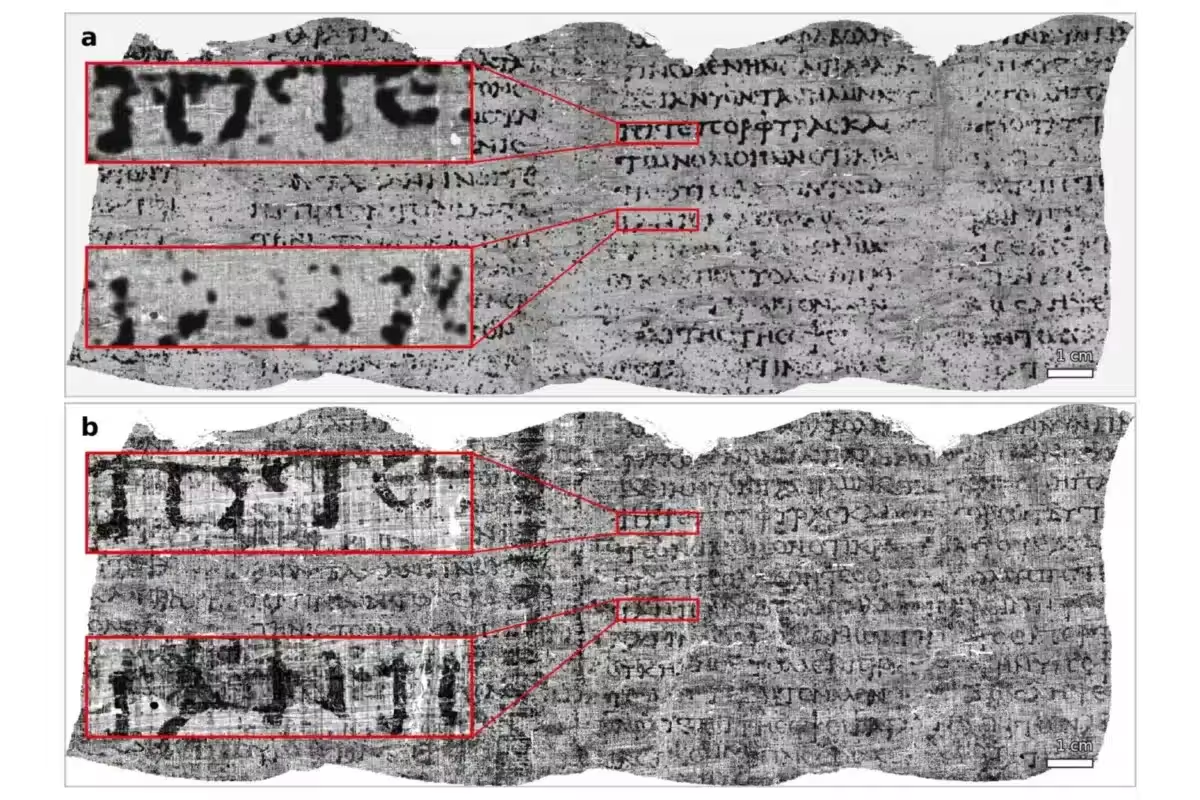
The team combined ultra‑high‑resolution X‑ray computed tomography with machine‑learning algorithms and geometric modeling to isolate the ink traces embedded in the carbonised layers. By scanning the scroll intact, they avoided any physical manipulation while capturing the internal geometry needed to reconstruct the text.
“Scholars can now follow arguments, trace ideas across multiple columns and understand these works as complete compositions — rather than archaeological fragments,” the release noted.
“This is no longer just about imaging or machine learning,” Seales said. “Now we need experts who can read, edit and understand what they are saying.”
The reconstruction process maps each parchment layer, flattens it into a digital surface, and highlights ink patterns invisible to the naked eye. The resulting virtual manuscript preserves the artifact’s physical integrity while delivering a continuous text comparable to a traditionally unrolled scroll.
Revealing Stoic Thought from the Ashes
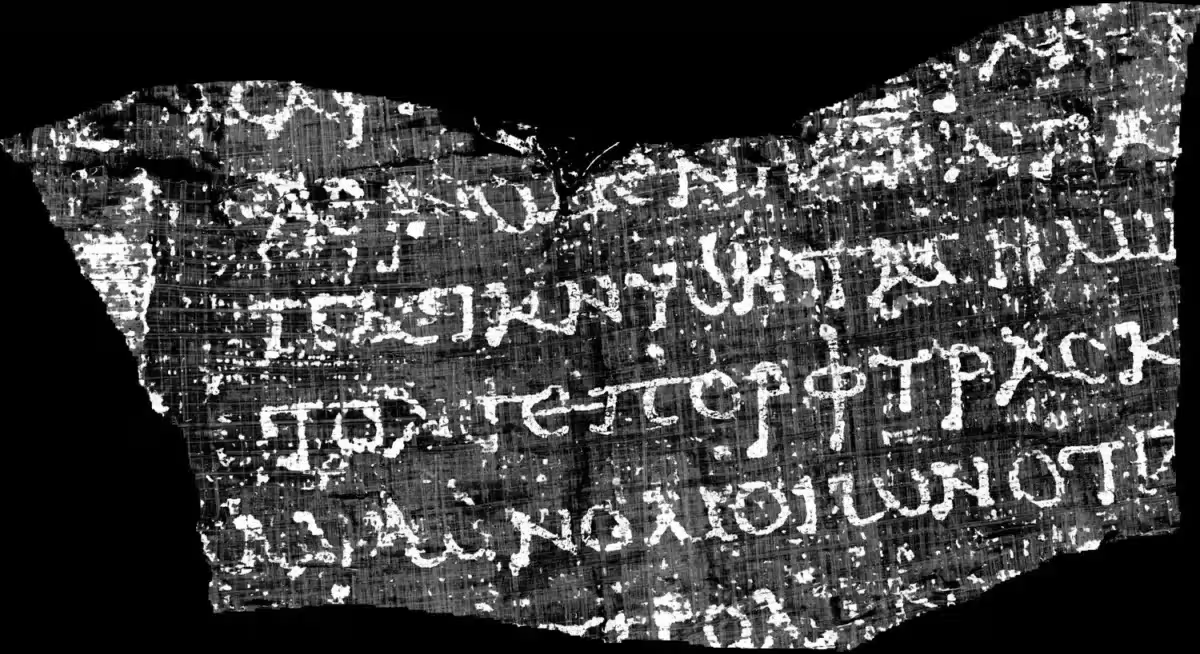
The fully reconstructed PHerc. 1667 contains passages that align with Stoic philosophy, touching on moral reasoning, human conduct, and intellectual growth. The recovered terminology and thematic links suggest the work forms part of a larger corpus of ethical discourse circulating in the Roman world.
“Today, we are hearing voices that have been silent for 2,000 years,” Seales remarked. “For the first time, we are uncovering and reading them — but most importantly — we are beginning to understand them.”
“This is no longer just about imaging or machine learning,” Seales repeated. “Now we need experts who can read, edit and understand what they are saying.”
Beyond the content itself, the achievement demonstrates that entire ancient texts can be accessed without compromising their physical state, opening the door to a new era of papyrological research.
This article has been fact checked for accuracy, with information verified against reputable sources. Learn more about us and our editorial process.
Last reviewed on .
Article history
- Latest version
Reference(s)
- “Herculaneum | Stanley and Karen Pigman College of Engineering.” Stanley and Karen Pigman College of Engineering | University of Kentucky <https://engr.uky.edu/herculaneum>.
Cite this page:
- Posted by Asif Iqbal