Scientists Detect Six Mysterious Unknown Structures Deep Inside Earth
Scientists have discovered six mysterious, previously unknown regions deep within Earth that could reshape our understanding of the planet’s hidden dynamics.
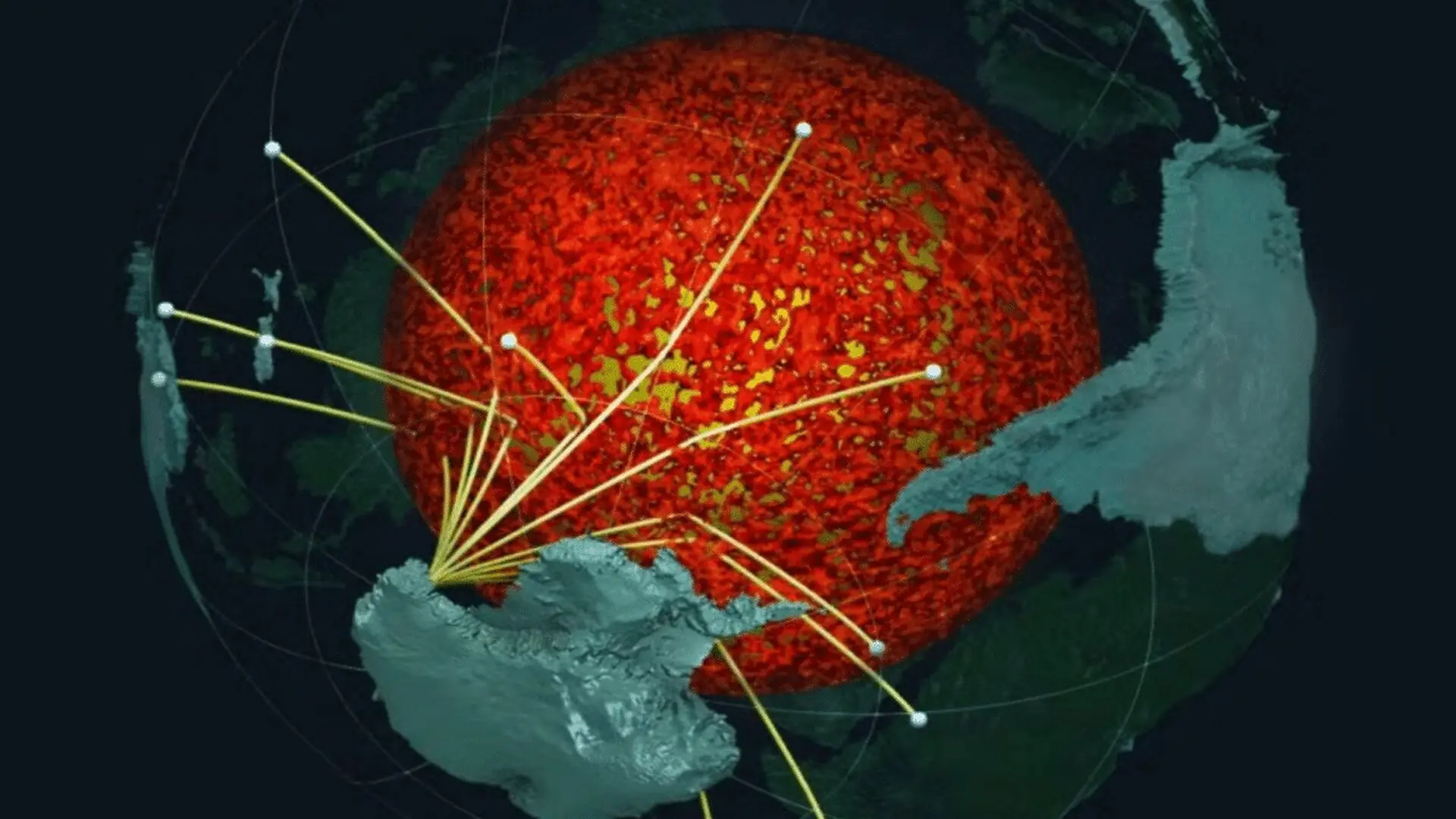
Geophysicists have uncovered six previously unidentified anomalies deep within the Earth’s lower mantle, shedding light on a region of the planet’s interior that has long remained a mystery. Published in the Journal of Geophysical Research: Solid Earth, this discovery provides a clearer perspective on the complex, turbulent boundary where the mantle meets the outer core.
Peering Into the Depths
Located roughly 3,000 kilometers beneath the surface, the lowermost mantle is a zone defined by extreme pressure and temperature. While scientists have understood for decades that this area contains significant variations in density and chemical composition, mapping these structures with precision has proven to be a formidable task.
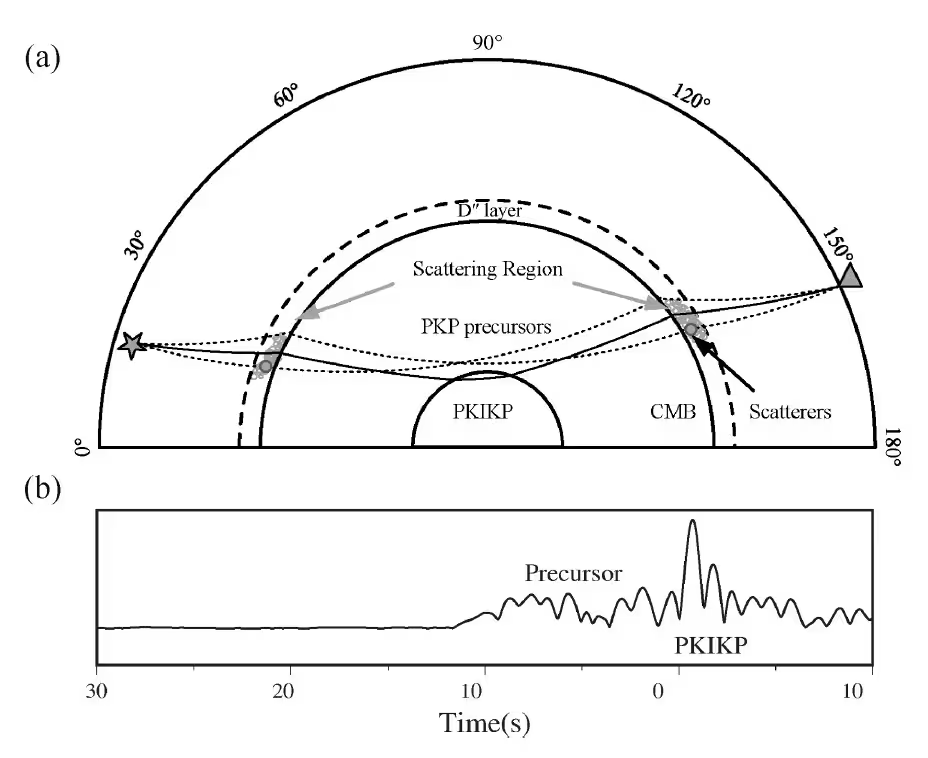
To identify these hidden features, the research team analyzed seismic wave data triggered by earthquakes. As these waves travel through the planet, their velocity shifts in response to changes in temperature, mineralogy, and physical structure. By measuring how these waves are deflected or altered, researchers can effectively perform an ultrasound of the Earth’s interior.
Unlocking Geological History
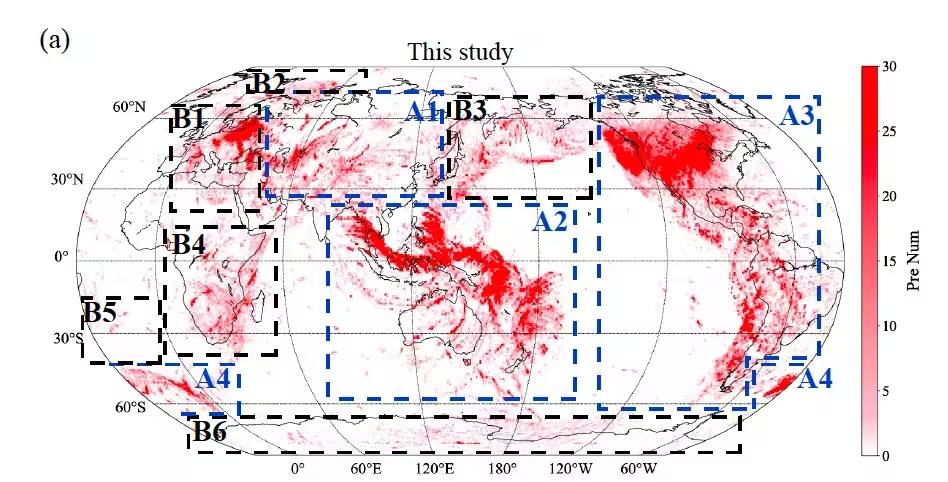
The study highlights six specific zones of heterogeneity—areas where the physical or chemical makeup deviates from the surrounding mantle. These regions are potentially crucial for understanding the planet’s long-term geological evolution. Some researchers suggest these spots may act as a graveyard for ancient tectonic plates that were subducted into the mantle eons ago, while others could be the result of ongoing convection currents that slowly churn material within the deep Earth.
“We also discovered six areas that likely host significant heterogeneities that had never been documented before, providing clear priority targets for future exploration of Earth’s deep interior,” the researchers write in their paper.
Why the Core-Mantle Boundary Matters
The core-mantle boundary is more than just a transition layer; it is the primary engine regulating heat flow from the core to the mantle, influencing everything from surface-level volcanic activity to the maintenance of the Earth’s magnetic field. By utilizing a new analytical method capable of isolating smaller, more localized signals, the authors were able to map these six zones with higher resolution than previous models allowed.
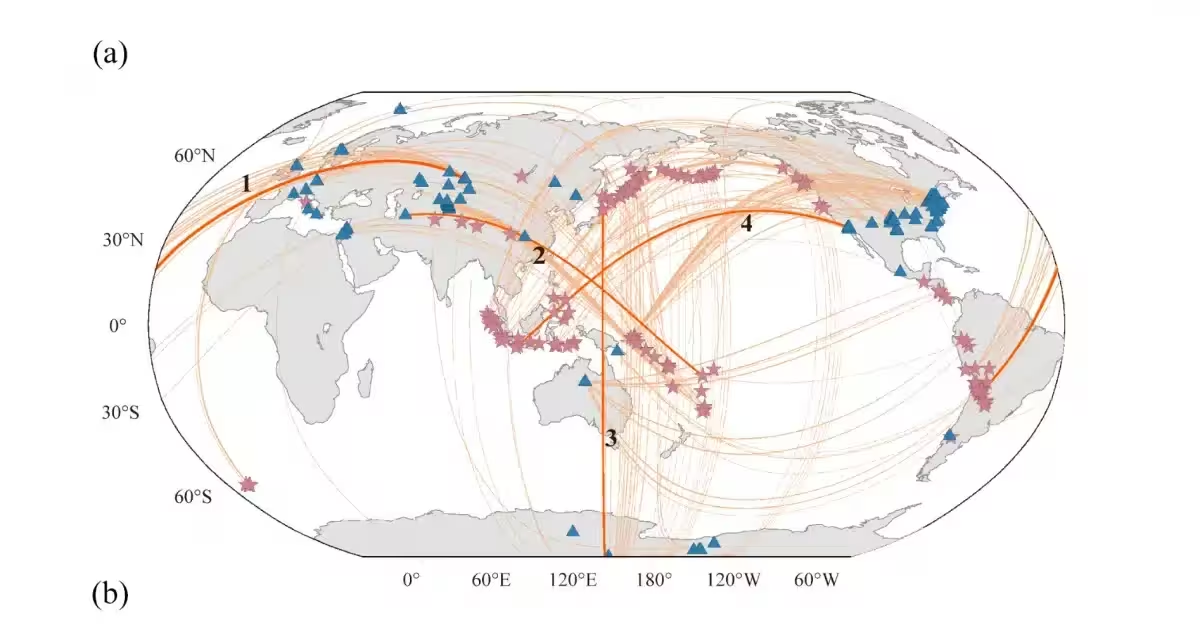
As the catalog of these deep-seated structures expands, geoscientists hope to construct a more cohesive narrative of how the Earth has recycled its own material over hundreds of millions of years. This ongoing research underscores the fact that the vast majority of our planet remains terra incognita, accessible only through the tremors of global seismic events.
“As the catalog continues to expand, its high‐resolution spatiotemporal coverage will… advance the refinement of fine‐scale structural models of the lowermost mantle, and offer increasingly rich constraints for deepening our understanding of the geodynamic state of Earth’s deep interior,” the team concludes.
This article has been fact checked for accuracy, with information verified against reputable sources. Learn more about us and our editorial process.
Last reviewed on .
Article history
- Latest version
Reference(s)
- Guan, Yurui., et al. “Global Distribution of PKP Precursors Derived From Three Decades of Seismic Data With Deep Learning.” Journal of Geophysical Research: Solid Earth, vol. 131, no. 8, August 23, 2026 American Geophysical Union (AGU), doi: 10.1029/2025JB033195. <https://agupubs.onlinelibrary.wiley.com/doi/10.1029/2025JB033195>.
Cite this page:
- Posted by Karan Das