Groundbreaking Brain Interface Allows Paralyzed Patients To Control Robotic Limbs With Thoughts
Brain-computer interface technology is rapidly evolving, enabling users to feel textures, type, and control robotic limbs using only the power of their mind.
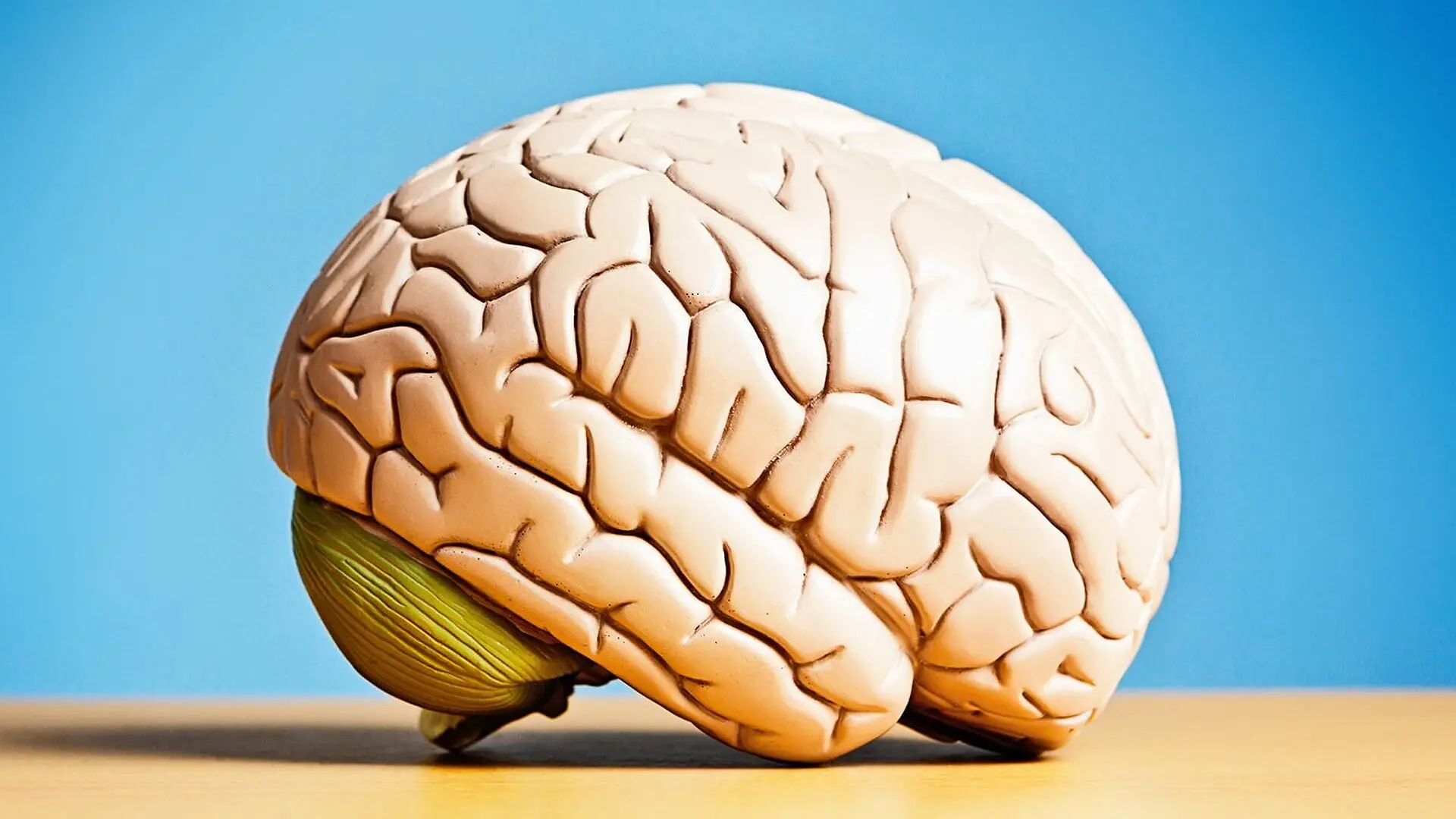
For individuals suffering from paralysis or neurodegenerative conditions like ALS, the physical connection between the brain’s intent and the body’s execution has been severed. However, cutting-edge research in neural engineering is now effectively bridging this gap, offering a way for patients to interact with the world through the power of thought alone.
Decoding Neural Pathways to Restore Mobility
At the University of Chicago, neuroscientist Nicholas Hatsopoulos is leading efforts to interpret the complex electrical signals generated by the brain during movement. By utilizing high-precision microelectrode arrays implanted directly into neural tissue, Hatsopoulos and his research team can isolate the specific patterns of activity that correspond to the desire to reach, grasp, or manipulate objects.
This technology does more than simply record brain activity; it acts as a translator between biological intent and mechanical response. By deciphering these signals in real-time, the interface allows patients to command external robotic prosthetics with their minds. The result is a profound leap in assistive technology, providing those with limited mobility the opportunity to perform daily tasks that were previously impossible.
The Future of Sensory Feedback
Beyond enabling physical movement, the research aims to restore the vital loop of sensory perception. By recreating the sensation of touch, Hatsopoulos is working to ensure that users do not just move a robotic limb, but can actually feel the texture and resistance of the items they interact with. This sensory integration is considered a major milestone in creating more intuitive and natural brain-machine interfaces.
To hear more about the mechanics of these neural interfaces and the ongoing efforts to restore sensory feedback to paralyzed patients, you can explore the latest research discussion via the Big Brains podcast episode, which includes a comprehensive transcript of the conversation.
This article has been fact checked for accuracy, with information verified against reputable sources. Learn more about us and our editorial process.
Last reviewed on .
Article history
- Latest version
Reference(s)
- “| Department of Organismal Biology and Anatomy | The University of Chicago.” <https://oba.bsd.uchicago.edu/faculty/nicholas-g-hatsopoulos-phd>.
- mheslinga, “Recreating a sense of touch, using our minds, with Nicholas Hatsopoulos.”, September 17, 2026 University of Chicago <https://news.uchicago.edu/big-brains-podcast-recreating-sense-touch-using-our-minds-nicholas-hatsopoulos>.
Cite this page:
- Posted by Zubair Ali