Researchers Reveal How Flawed Economic Accounting Accelerates Climate Disasters and Ecosystem Loss
Traditional growth models ignore natural capital, but dynamic evaluation and green accounting could guide a sustainable path forward.
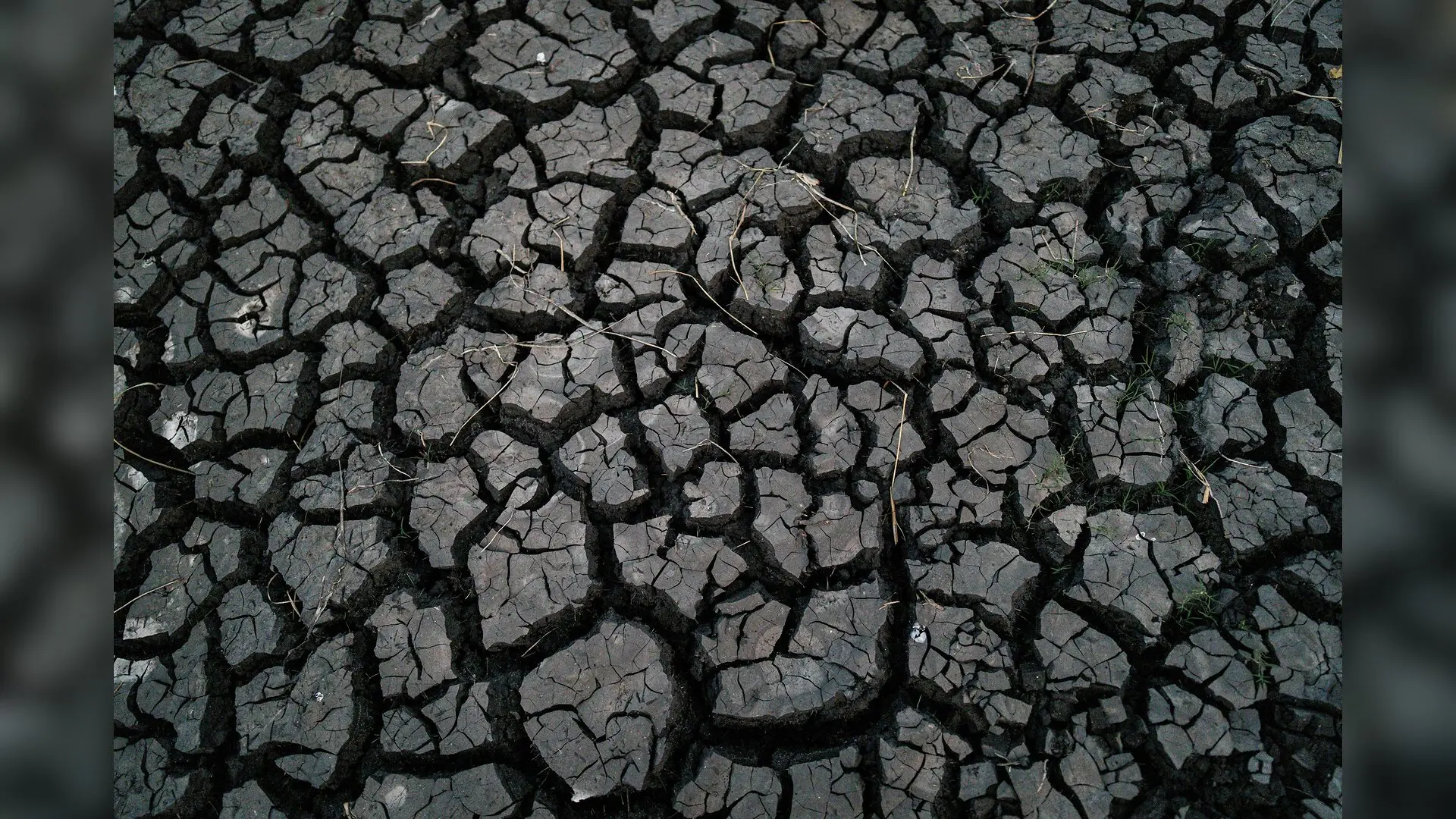
Extreme weather and climate disruptions caused 12,000 deaths and affected 149 million people in the Sahel and Horn of Africa between 2000 and 2022, while costing $11.5 billion in crop and livestock losses. Vinod Thomas, visiting senior fellow at the Institute of Southeast Asian Studies, notes that runaway climate change and severe environmental destruction are upending lives, livelihoods, and the health of the planet as economic growth continues to prioritize quantity over sustainability.
For decades, nations pursued rapid economic expansion guided primarily by gross domestic product, a metric that tallies total economic output without deducting social and environmental harm. This approach spurred significant declines in income poverty and improvements in life expectancy, but it also fueled widespread ecological degradation and record-breaking global temperatures. The underlying tension between wealth generation and environmental health is detailed in research published in Integrating for Sustainability, outlining how traditional growth models neglect natural capital and amplify climate risks.
How Flawed Accounting Metrics Mask Ecological Destruction
Standard economic measurements treat all financial activity as positive, even when that activity destroys natural habitats or burns fossil fuels. Mainstream economic journals have historically overlooked environmental implications, though this has begun to shift in recent years. Natural capital receives scant consideration compared to physical and human capital, creating an unsustainable imbalance that drives biodiversity loss. Without accounting for ecological costs, societies continue to disinvest in the very natural systems required for long-term survival.
Why Cross-Sector Synergies Strengthen Regional Resilience
Infrastructure investments yield better outcomes when they are deliberately linked with health, education, and social safety nets. Physical improvements in water and sanitation systems, for example, reduce water-related diseases much more effectively when combined with targeted hygiene education. Furthermore, studies show that reducing inequality and maintaining robust social safety nets help countries recover faster from health crises and natural disasters. Policymakers must adopt a coordinated, whole-of-government approach to stretch limited resources and capture these vital co-benefits.
What Rising Sea Levels and Subsidence Reveal About Urban Vulnerability
Coastal regions face escalating threats from both climate change and human encroachment on fragile ecosystems. Forecasts project that sea levels along the United States coastline will rise by 1 foot over the next 30 years, matching the total increase of the previous 100 years. Meanwhile, excessive groundwater extraction has caused severe land subsidence in megacities such as Jakarta, Ho Chi Minh City, and Bangkok. Conversely, proactive conservation efforts, including forest management on steep slopes and mangrove restoration, have proven effective at reducing the impacts of floods and storms.
How Dynamic Evaluation Can Guide Transformational Change
Traditional evaluation methods often focus narrowly on operational efficiency while ignoring the broader relevance and long-term consequences of development projects. Dynamic evaluation must assess whether programs contribute to genuine sustainability, social inclusion, and climate resilience rather than simply measuring short-term outputs. By combining impact evaluations, cost-benefit analyses, and carbon pricing mechanisms, international financial institutions and governments can align economic incentives with global environmental goals.
The research was published in Integrating for Sustainability on November 28, 2026.
This article has been fact checked for accuracy, with information verified against reputable sources. Learn more about us and our editorial process.
Last reviewed on .
Article history
- Latest version
Reference(s)
- Thomas, Vinod. “Transformational Change for Sustainability of People and the Planet.” Integrating for Sustainability, November 28, 2026, pp. 15-29. Springer Nature Switzerland, doi: 10.1007/978-3-032-34870-8_2. <https://doi.org/10.1007/978-3-032-34870-8_2>.
Cite this page:
- Posted by Divya Iyer