Scientists Discover Mouth and Gut Bacteria That Can Neutralize Peanut Allergy Triggers
Certain naturally occurring microbes appear to break down the proteins responsible for life-threatening reactions, offering clues for safer allergy management in the future.
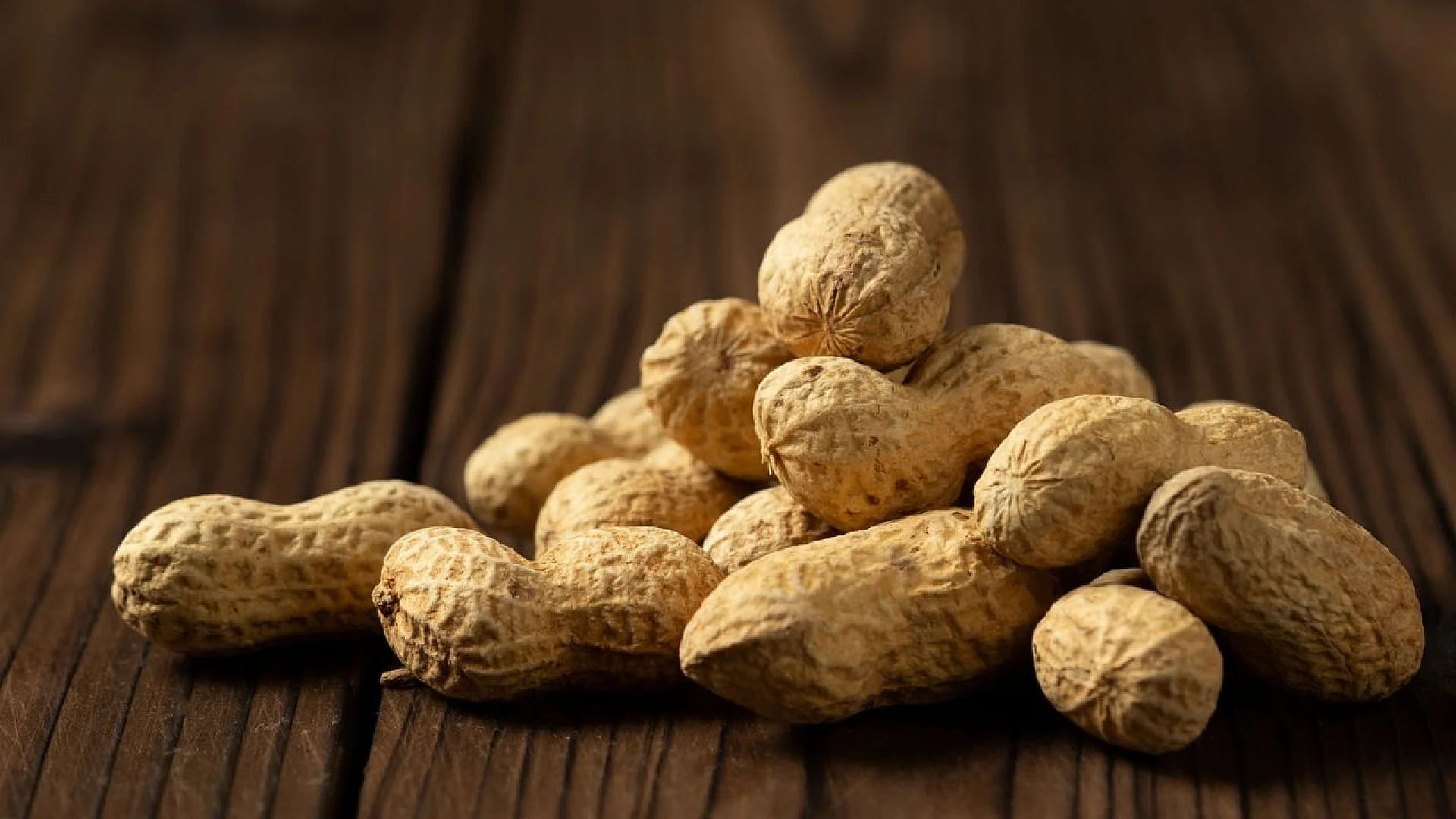
For families navigating peanut allergies, vigilance is constant. A trace of peanut protein can be enough to send a child into a life-threatening spiral of swelling airways and falling blood pressure. Entire school systems have banned peanuts in an effort to prevent accidental exposure.
Yet hidden within the human body may be microscopic partners capable of softening that threat.
Researchers have discovered that certain bacteria living naturally in the mouth and intestines can dismantle the very peanut proteins that trigger severe allergic reactions. The findings suggest that the microbes we carry could influence how dramatically our immune systems respond to peanuts.
The work, published in Cell Host & Microbe, highlights an unexpected connection between the microbiome and one of the most common and dangerous food allergies worldwide.
Why Peanut Allergy Can Be So Severe
Peanut allergy affects up to 2 percent of people in Europe and the United States, with higher rates among children. For some individuals, exposure to even tiny amounts of peanut protein can provoke anaphylaxis, a rapid and potentially fatal reaction.
At the heart of this response lies the immune system’s antibody called immunoglobulin E, or IgE. In people with severe peanut allergy, IgE antibodies recognize specific peanut proteins as threats. Two of the most potent triggers are known as Ara h 1 and Ara h 2.
When these proteins enter the body, IgE antibodies bind to them and set off a chain reaction. Immune cells release inflammatory chemicals, the throat can swell, breathing becomes difficult, and blood pressure may drop precipitously. Without prompt treatment, this cascade can be deadly.
Ironically, the peanut itself is not inherently toxic. The danger arises from the immune system’s exaggerated response.
This raised an intriguing question for scientists. What if something inside the body could intercept those peanut proteins before the immune system has a chance to overreact?
Looking to the Microbiome for Answers
The human microbiome, the vast community of bacteria that inhabit our bodies, has been increasingly linked to immune health. Microbes in the gut help train the immune system, influence inflammation, and even affect how we respond to infections.
A research team led by scientists from the Autonomous University of Madrid and McMaster University turned their attention to whether certain bacteria might directly interact with peanut allergens.
They identified two microbial groups with a striking ability: bacteria belonging to the genera Rothia and Staphylococcus could break down Ara h 1 and Ara h 2, the very proteins that provoke IgE-mediated reactions.
Both types of bacteria naturally reside in human saliva and in parts of the small intestine. Rather than being foreign additions, they are common members of a healthy microbial community.
Laboratory experiments showed that these microbes could digest the peanut proteins into smaller fragments. By doing so, they potentially reduce the number of intact allergens available to trigger an immune attack.
Evidence From Children With Peanut Allergy
To explore whether this microbial activity matters in real life, researchers studied 19 children between the ages of 1 and 14 who had diagnosed peanut allergies. All were preparing to undergo oral immunotherapy, an experimental approach designed to gradually desensitize patients to peanut proteins.
Before treatment began, scientists collected saliva samples to analyze each child’s oral microbiome. They also conducted controlled peanut exposure tests to measure how much peanut protein each child could tolerate and how severe their reactions were.
Blood samples taken after exposure provided another important measure: the level of IgE-related immune activation.
The results revealed a clear pattern. Children who harbored higher levels of peanut-protein-degrading bacteria in their mouths and intestines were able to tolerate larger amounts of peanut protein. Their immune responses were less intense.
By contrast, children with lower tolerance to peanuts tended to have reduced levels of bacteria from the order Micrococcales, a broader group that includes Rothia and related microbes capable of breaking down peanut allergens.
The findings suggest that the composition of the oral microbiome may help predict how severely a person reacts to peanuts.
As the researchers noted, the oral microbial community could serve as a marker of “threshold reactivity,” meaning the amount of allergen required to provoke symptoms.
Testing the Mechanism in Mice
Observations in humans can reveal patterns, but they do not always clarify cause and effect. To probe deeper, the scientists turned to animal experiments.
Using a laboratory mouse strain prone to peanut-induced anaphylaxis, the team adjusted the animals’ microbiomes. Some mice received substantial doses of Rothia bacteria.
The results were striking. Mice given Rothia showed significantly reduced anaphylactic reactions after peanut exposure compared with untreated animals.
Earlier petri dish experiments had already demonstrated Rothia’s strong ability to digest Ara h 1 and Ara h 2. In living animals, that protein-degrading capacity translated into measurable protection.
These findings strengthen the idea that microbial breakdown of allergens can directly influence the severity of IgE-mediated responses.
A Potential Tool for Prediction and Treatment
The implications of this research extend in two directions.
First, the microbiome might help clinicians predict which patients face the highest risk of severe reactions. If certain bacterial profiles are associated with greater tolerance, microbiome analysis could one day guide treatment decisions.
This could be especially relevant for oral immunotherapy. While the approach aims to gradually increase tolerance, it carries risks, particularly for patients with very low reaction thresholds. Identifying those at highest risk before therapy begins could improve safety.
Second, the work raises the possibility of therapeutic intervention. If specific bacteria can dismantle peanut allergens, could boosting those microbes help reduce reaction severity?
The concept of using probiotics to alter the microbiome is appealing. However, the researchers emphasize caution. The human findings so far are observational. It remains unclear whether deliberately adding these bacteria would safely replicate the protective effects seen in mice.
Microbial ecosystems are complex. Introducing or increasing one species can have unintended consequences, and not all strains within a bacterial genus behave identically.
Why This Matters
Peanut allergy is not only common but often lifelong. Strict avoidance remains the main strategy for prevention of reactions, and emergency medications such as epinephrine are the primary defense when accidental exposure occurs.
A deeper understanding of how the microbiome interacts with food allergens could reshape that landscape.
If microbial metabolism can reduce the amount of intact allergen reaching the immune system, then modifying the microbiome might become part of future allergy management strategies.
Equally important, this research reinforces a broader principle. The severity of allergic reactions is not determined solely by the allergen itself. It also depends on the biological environment in which that allergen is encountered.
The human body is not a passive battleground. It is an ecosystem.
Remaining Questions and Caution
Despite the promise, several uncertainties remain.
The clinical study involved only 19 children, a relatively small sample size. Larger studies will be necessary to confirm the link between microbial abundance and reaction severity.
Furthermore, the relationship between bacteria and allergy may be influenced by diet, antibiotic use, genetics, and other environmental factors. Disentangling these variables will require careful investigation.
Another key question is whether the protective effect is sustained over time or fluctuates with changes in the microbiome.
Finally, even if probiotics prove beneficial, they would likely complement rather than replace established treatments. Peanut allergy can escalate rapidly, and any new therapy would need rigorous testing for safety and effectiveness.
A Glimpse Into the Microbial Future of Allergy Care
In recent years, the microbiome has been implicated in conditions ranging from inflammatory bowel disease to mental health disorders. This study adds food allergy to that expanding list.
By demonstrating that naturally occurring bacteria can dismantle powerful peanut allergens, scientists have uncovered a new layer in the biology of allergic disease.
The discovery does not yet translate into a clinical cure. But it shifts the conversation. Instead of viewing peanut allergy solely as a malfunctioning immune response, researchers are now examining how microbial partners might tip the balance between severe reaction and relative tolerance.
As investigations continue, one thing is increasingly clear. The microbes we host are not merely passengers. In some cases, they may be quiet defenders, working behind the scenes to disarm threats before the immune system even notices.
The study was published in Cell Host & Microbe on March 03, 2026.
This content has been reviewed by subject-matter experts to ensure scientific accuracy. Learn more about us and our editorial process.
Last reviewed on .
Article history
- Latest version
Reference(s)
- Sánchez-Martínez, Elisa., et al. “Microbial metabolism of food allergens determines the severity of IgE-mediated anaphylaxis.” Cell Host & Microbe, 03 March 2026, doi: 10.1016/j.chom.2026.02.013. <https://doi.org/10.1016/j.chom.2026.02.013>.
Cite this page:
- Posted by Zara Tariq