Why Routine Liver Tests Give False Alarms in Older Adults
New findings show how age changes diagnostic accuracy, cirrhosis management, and transplant eligibility for aging patients.
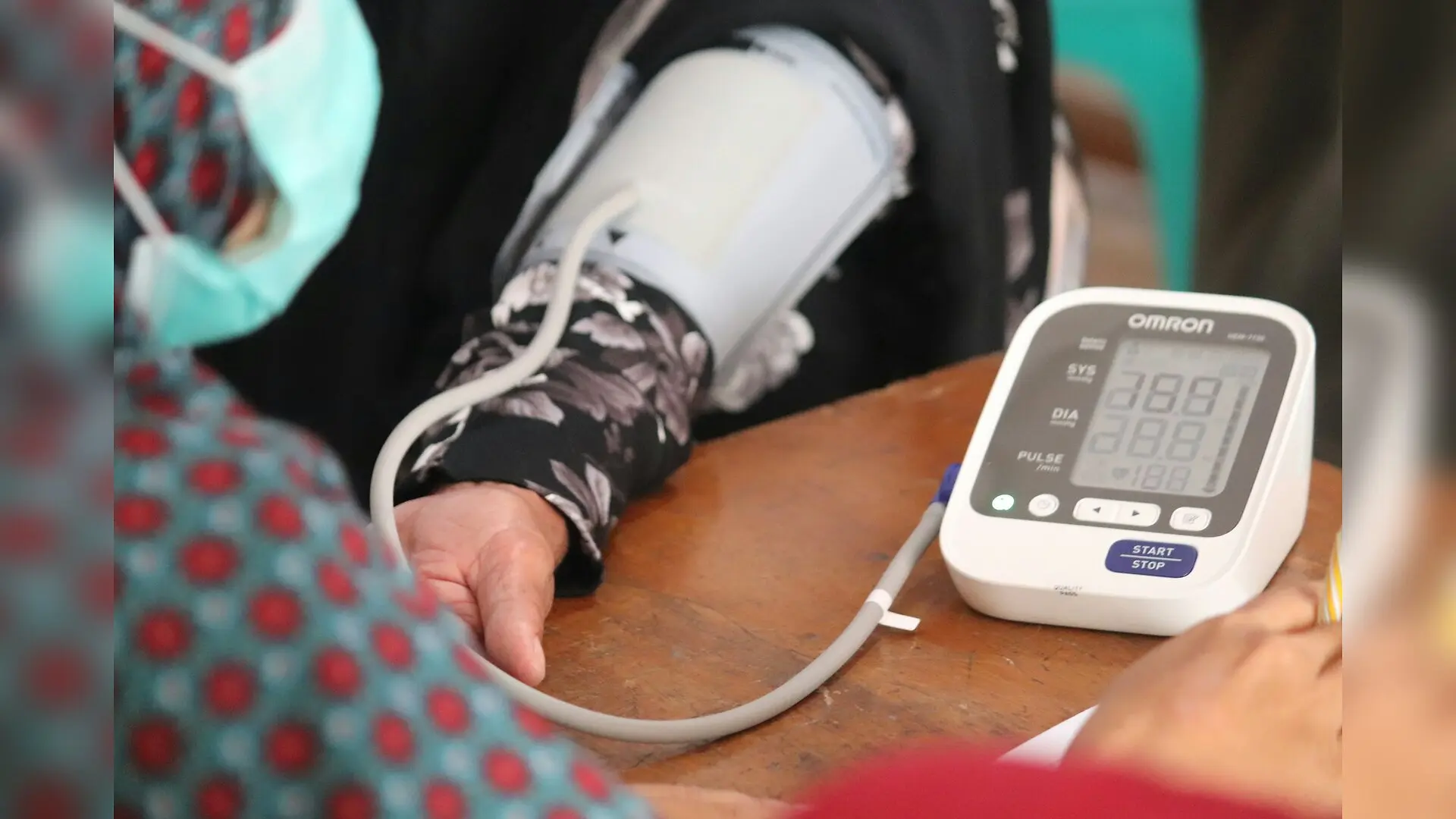
Liver disease prevalence among older adults enrolled in Medicare jumped by more than 50 percent between 2015 and 2021, creating a growing clinical challenge for doctors caring for aging populations. Diagnosing and treating these conditions in patients aged 65 and older requires a major shift away from standard medical protocols because normal biological aging changes liver volume, blood flow, and drug metabolism. Standard blood tests often misread healthy older adults as having severe scarring, while routine medications can trigger dangerous side effects like kidney injury or severe falls. Recognizing these age-specific vulnerabilities is essential to avoiding unnecessary medical harm.
Why Standard Blood Tests Overestimate Liver Fibrosis in Older Adults
Doctors frequently rely on blood tests like the Fibrosis-4 index, which calculates liver scarring using age, liver enzymes, and platelet counts. Because chronological age is built directly into the mathematical formula, older patients routinely receive falsely elevated scores, leading to a high rate of false-positive diagnoses. Research published in Current Gastroenterology Reports indicates that standard cutoffs cause specificity for advanced fibrosis to plummet to 35 percent in patients aged 65 and older, compared with up to 80 percent in middle-aged adults. To fix this, medical guidelines now endorse age-adjusted thresholds, such raising the Fibrosis-4 cutoff to 2.0, which successfully restores diagnostic accuracy.
When blood tests remain uncertain, doctors often turn to imaging tools like vibration-controlled transient elastography, which measures liver stiffness using painless sound waves. While these imaging scans are less influenced by age than blood panels, older patients with congestive heart failure or fluid buildup can still experience false-positive results. Liver biopsies remain the ultimate reference standard for staging disease, but they carry heightened procedural risks in older individuals due to frequent use of blood thinners, low platelet counts, and reduced physiological reserve.
How Managing Cirrhosis Complications Requires Extra Caution in Later Life
Treating advanced liver scarring, known as cirrhosis, becomes much more delicate as patients age. Medications commonly prescribed to lower blood pressure in the portal vein, such as nonselective beta-blockers, must be carefully titrated to prevent severe low blood pressure, dangerous heart rhythms, and falls in frail seniors. Similarly, while standard diuretic medications effectively clear fluid buildup in the abdomen, aggressive treatment can rapidly cause acute kidney injury and dangerous electrolyte imbalances in older bodies.
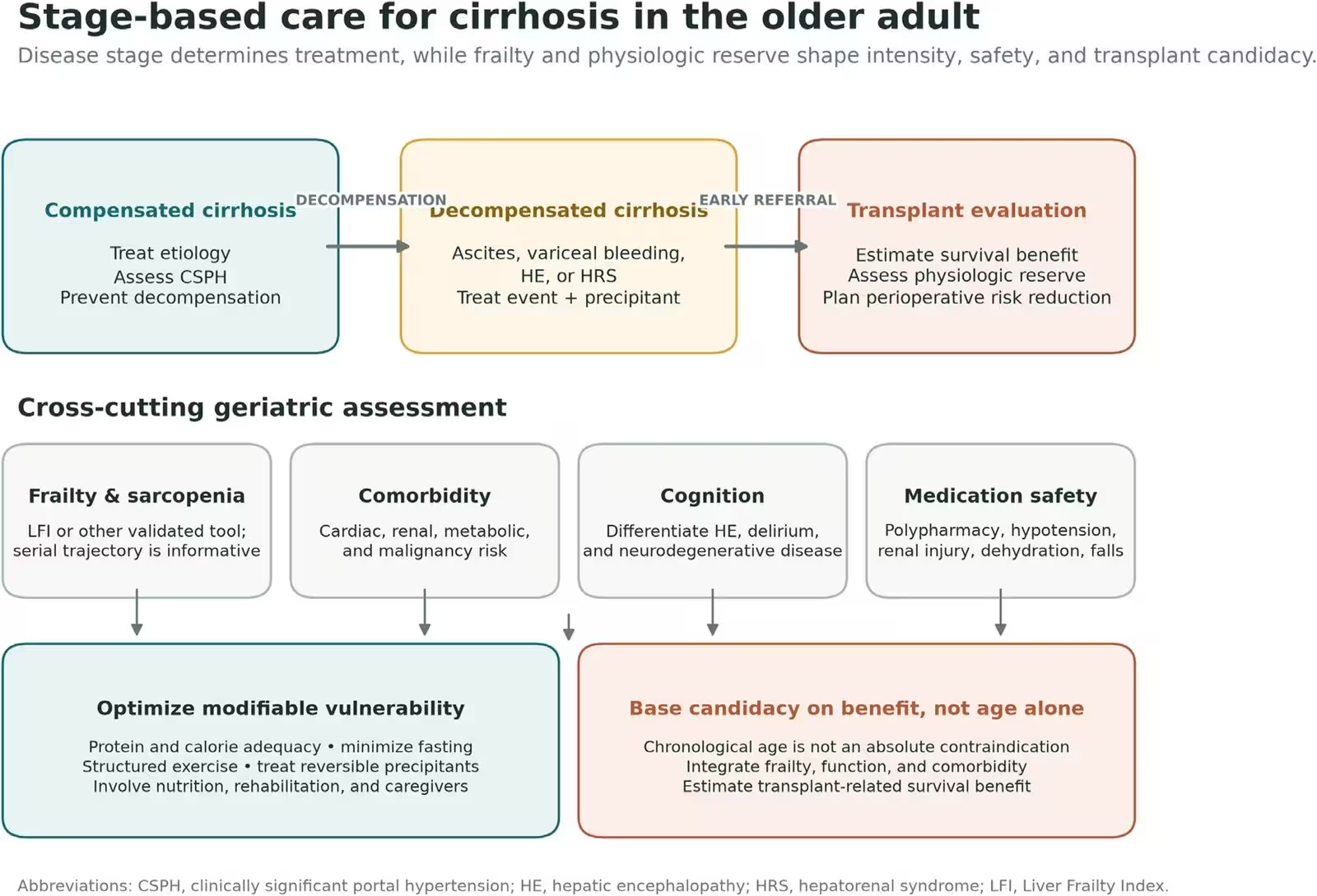
One of the most complex diagnostic hurdles in geriatric hepatology is separating hepatic encephalopathy, a brain dysfunction caused by liver failure, from primary dementia or normal cognitive aging. Covert forms of brain dysfunction cause subtle attention deficits, sleep disturbances, and mild confusion that are easily mistaken for Alzheimer’s disease or age-related memory loss. Clinical data show that more than half of older patients referred for suspected liver-related brain complications actually suffer from other conditions like obstructive sleep apnea, mood disorders, or mild cognitive impairment, meaning empiric treatments like lactulose should not be prescribed automatically without proper screening.
Can Older Patients Successfully Receive Liver Transplants Safely?
Chronological age alone is no longer considered an automatic barrier to receiving a life-saving organ transplant. The proportion of transplant recipients aged 65 and older climbed from just 1.6 percent in 1988 to 21 percent in 2023. Studies demonstrate that carefully selected septuagenarians achieve acceptable five-year survival rates, although they often experience longer hospital stays and higher rates of post-surgical complications.
Medical teams now evaluate transplant candidacy based on overall physiological reserve, cardiovascular health, functional capacity, and frailty rather than birth certificates. Physical vulnerability and muscle wasting, known as sarcopenia, significantly increase waitlist mortality and post-transplant death risk. Experts emphasize that incorporating structured exercise programs, optimized nutrition with high daily protein intake, and comprehensive geriatric assessments can drastically improve outcomes and help older patients maintain their independence.
The research was published in Current gastroenterology reports on November 18, 2026.
This article has been fact checked for accuracy, with information verified against reputable sources. Learn more about us and our editorial process.
Last reviewed on .
Article history
- Latest version
Reference(s)
- Houston, Kevin V.., et al. “Liver Disease in Older Adults: Diagnosis, Management, and Transplantations.” Current Gastroenterology Reports, vol. 28, no. 1, November 18, 2026 Springer Science and Business Media LLC, doi: 10.1007/s11894-026-01071-0. <https://doi.org/10.1007/s11894-026-01071-0>.
Cite this page:
- Posted by Sana Malik