Why Your Brain And Body Are In A Constant Rhythmic Dialogue To Create Consciousness
A new study investigates the profound philosophical and biological question: are you defined by your brain or the entirety of your body?
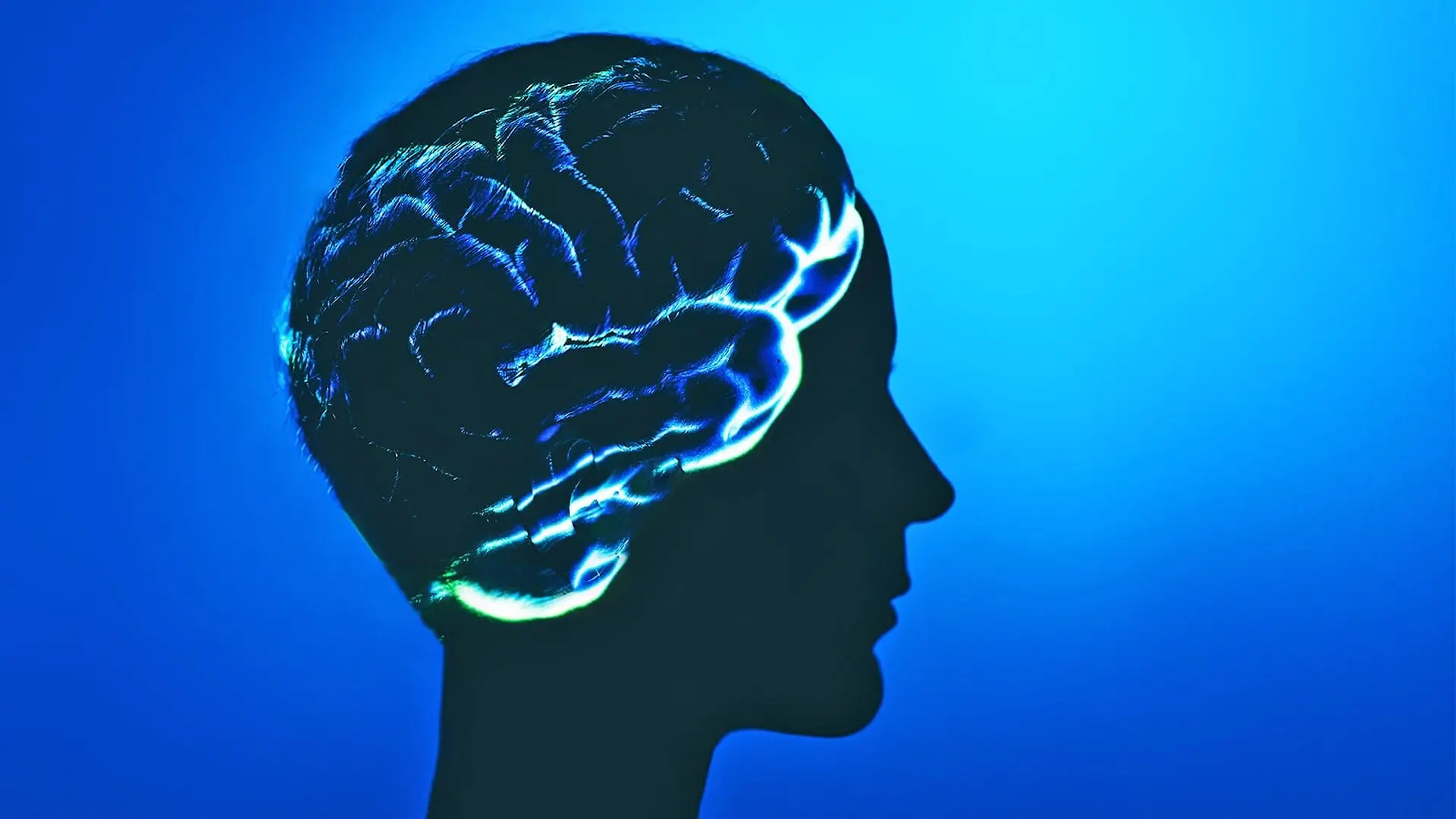
Common idioms like “butterflies in the stomach” or being “choked up” are more than just metaphors for our emotional state. They point to a fundamental biological truth: our conscious experiences are not manufactured in a vacuum by the brain alone, but are instead sculpted by a constant, rhythmic dialogue between our internal organs and our neural networks.
A new study, published in the journal Neuroscience of Consciousness, challenges the traditional view of the brain as a lone command center. Instead, researchers from the University of California, Santa Barbara, suggest that the heart, lungs, and gut act as metronomes, providing a steady cadence that allows groups of neurons to synchronize their activity.
The Body as a Neural Conductor
According to Asa Young, a doctoral student in the lab of professor Jonathan Schooler, the brain is far more than a passive recipient of sensory input. “The heartbeat, breath, and gastric rhythm are regular, predictable signals around which groups of neurons can organize,” Young explains. “They are the drumbeats that keep our proverbial orchestra together.”
This synchronization allows the brain to time its cognitive processes—such as memory retrieval, emotional response, and perception—with the body’s essential regulatory cycles. Rather than treating consciousness as an isolated byproduct of brain cells, this emerging framework suggests that our sense of self is anchored to the visceral, rhythmic reality of being alive.
Breathing and Heartbeats Influence Awareness
Evidence for this physical-mental connection is increasingly granular. For instance, studies have shown that human memory performance fluctuates depending on the phase of the respiratory cycle; individuals are often better at recognizing visual information when viewing it during an inhale. Similarly, the cardiac cycle exerts a measurable influence on perception. When the heart is in the contraction phase, the brain may process threatening visual stimuli more rapidly, while potentially dampening the response to neutral sensations like touch or sound.
The research team emphasizes that the strength of this interaction is just as critical as the timing. It is not necessarily better to have a stronger connection between bodily signals and the brain; rather, optimal health likely resides in a “Goldilocks zone.” In this state, bodily signals provide enough information to ground our experience without becoming so overpowering that they dominate our cognitive focus.
Redefining Mental Health
This perspective offers a transformative way to understand mental health disorders. The researchers propose that many conditions may be rooted in dysregulation between the brain and the body, rather than in the brain alone. For example, anxiety may be linked to bodily signals that have become too loud or impossible to filter, while depression might manifest as a dampened sensitivity to those same internal cues, leading to a sense of detachment.
By moving beyond the concept of a “brain in a vat”—a classic science-fiction trope that imagines consciousness existing without a physical form—scientists are beginning to map how our visceral reality shapes the quality of our existence. Ultimately, the researchers argue that the question of whether we are our brains or our bodies is a false dichotomy. Consciousness, they suggest, is not a product of one or the other, but the emergent result of their continuous, rhythmic integration.
This article has been fact checked for accuracy, with information verified against reputable sources. Learn more about us and our editorial process.
Last reviewed on .
Article history
- Latest version
Reference(s)
- Young, Asa., et al. “I sync, therefore I am: brain–body synchrony in typical and disordered consciousness.” Neuroscience of Consciousness, vol. 2026, no. 1, June 27, 2026 Oxford University Press (OUP), doi: 10.1093/nc/niag028. <https://doi.org/10.1093/nc/niag028>.
Cite this page:
- Posted by David Anderson