Rare Extinct Moa Egg Returns Home to New Zealand as De-extinction Hopes Grow
A rare egg from an extinct giant has resurfaced after 60 years. Discover the mystery behind its journey and why this discovery matters for science today.
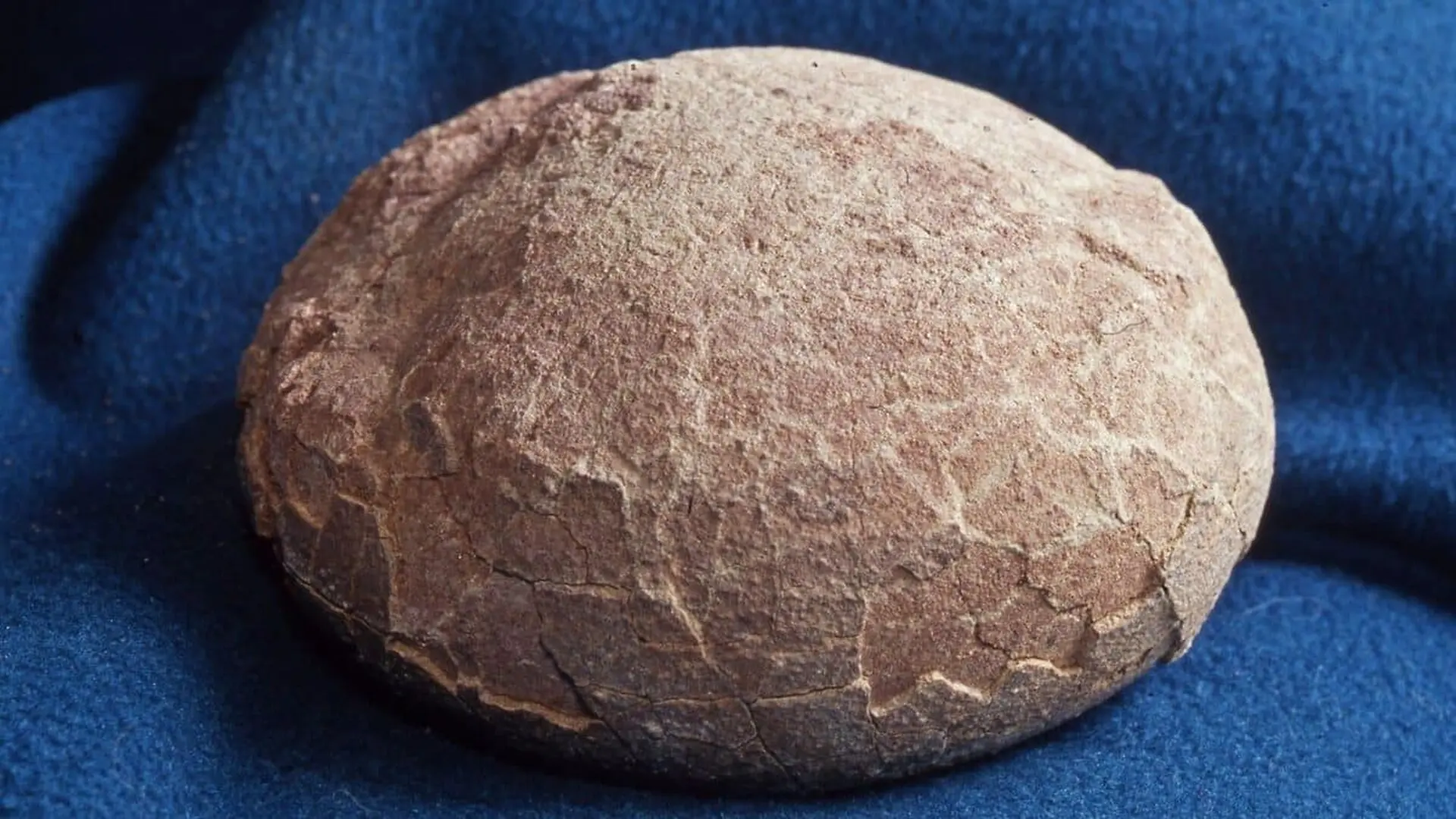
A remarkably rare artifact of New Zealand’s prehistoric past is making a long-awaited journey home. A moa egg, which had been held in a private American collection for approximately six decades, is being repatriated to New Zealand through a collaborative effort involving filmmaker Sir Peter Jackson and the de-extinction firm Colossal Biosciences. The specimen will be formally entrusted to Professor Te Maire Tau, a respected Māori historian and tribal leader.
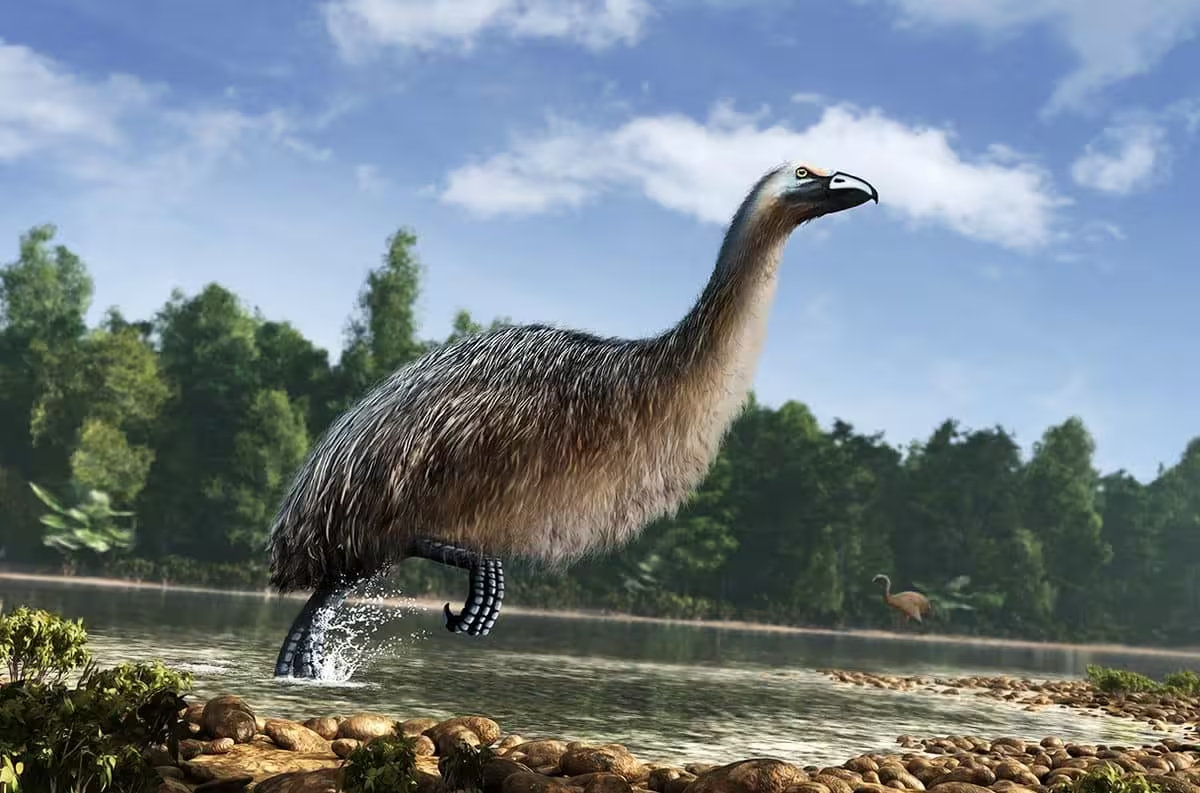
Moa were giant flightless birds that served as critical ecological engineers across New Zealand’s forests and grasslands for millions of years. Their disappearance in the late 13th century is widely attributed to the arrival of human settlers. Today, these birds exist only in the form of fossilized remains and an exceptionally small number of surviving eggs.
The announcement of the egg’s return was made at the 11th International Meeting of the Society of Avian Palaeontology and Evolution. Dr. Paul Scofield, Senior Curator of Natural History at the Canterbury Museum, emphasized the significance of the event, stating that it was fitting to share the news among the world’s foremost experts on ancient avian evolution gathered in Ōtautahi Christchurch.
Recovering a Piece of Natural History
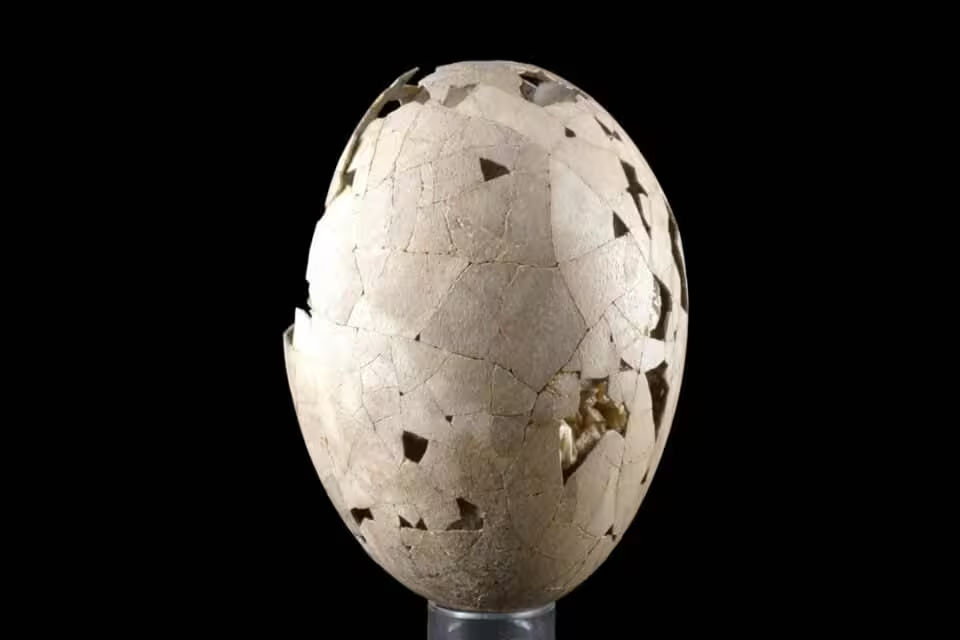
Global records identify fewer than 40 known moa eggs. Since the implementation of protective legislation in 1975, any such discovery within New Zealand is classified as taonga, a protected cultural treasure. The egg currently returning to the country was purchased at a Colorado auction earlier this year. Measuring approximately 22 by 17 centimeters (8.6 by 6.7 inches), the shell has been reconstructed from various fragments, with final assembly occurring under the oversight of Ngāi Tahu researchers. While the specific species of the egg has yet to be confirmed, Sir Peter Jackson noted that once restoration is complete, it is likely to rank among the five best-preserved examples in existence.
“After expert restoration, it will very likely become only the ninth known nearly intact moa egg—probably one of the five best-preserved examples,” according to Sir PeterJackson.
Future Stewardship and Scientific Study
Upon its return, the egg will be presented to Professor Tau, who leads Ngāi Tūāhuriri, a subgroup of the Ngāi Tahu iwi based in the South Island’s Tuahiwi region. Future decisions regarding the specimen, including potential scanning or sampling, will be managed by the Ngāi Tahu Research Centre. These processes will be conducted in strict accordance with tikanga, the traditional customs and protocols of the Māori people.
The scientific community views these artifacts as vital repositories of genetic data. Beth Shapiro, Chief Science Officer at Colossal, noted that these eggs provide unique insights into the biology of the species, potentially yielding ancient DNA. The partnership aims to ensure that any research findings remain intrinsically linked to New Zealand.
“Fewer than 40 whole moa eggs are known, and each one holds information we can get nowhere else – sometimes even their DNA,” said Beth Shapiro, PhD, Colossal’s Chief Science Officer.
Reflecting on the repatriation, Scofield told IFLScience that the artifact possesses far greater cultural and scientific significance within its homeland than it ever could in a private foreign collection.
Prospects for De-extinction
Colossal included the moa in its 2025 announcement as the fifth species targeted for its functional de-extinction program, joining the woolly mammoth, dodo, thylacine, and dire wolf. The initiative utilizes genetic toolkits to introduce traits from extinct species into the genomes of closely related living counterparts. Among the nine species of moa that once existed, the South Island giant moa (Dinornis robustus) was the most imposing, reaching heights of up to 3.6 meters (11.8 feet) and weighing roughly 230 kilograms (507 pounds).
A significant technical hurdle for the company is the development of an artificial environment capable of incubating an embryo of that scale. To address this, Colossal is developing advanced artificial egg systems, a technology that successfully facilitated the hatching of its first chick earlier this year. Whether these methods will eventually lead to the return of birds resembling the giant moa remains a question for future scientific development.
This article has been fact checked for accuracy, with information verified against reputable sources. Learn more about us and our editorial process.
Last reviewed on .
Article history
- Latest version
Reference(s)
- “Paul Scofield Senior Curator Human History.” Canterbury Museum <https://www.canterburymuseum.com/research-education/our-researchers/paul-scofield>.
- “Sir Peter Jackson | Academy of Achievement.”, August 12, 2016 Academy of Achievement <https://achievement.org/achiever/sir-peter-jackson/>.
- “Te Maire Tau | About | Te Whare Wānanga o Waitaha - University of Canterbury.” <https://profiles.canterbury.ac.nz/Te-Maire-Tau>.
- “Beth Shapiro, Ph.D. - Colossal.” Colossal <https://colossal.com/team/beth-shapiro-ph-d-3/>.
- Biosciences, Colossal. “Colossal Biosciences Acquires Rare Moa Egg and Will Return It to New Zealand - Colossal.”, October 20, 2026 Colossal Biosciences <https://colossal.com/colossal-biosciences-moa-egg-return-new-zealand/>.
- <https://www.iflscience.com/after-60-years-in-a-private-collection-an-exceptionally-rare-giant-moa-egg-is-returning-to-new-zealand-as-part-of-colossals-de-extinction-plans-84993>.
Cite this page:
- Posted by Elizabeth Taylor