Groundbreaking Gene Therapy Triggers Self Repair In Adult Retinas And Restores Lost Vision
Groundbreaking research suggests that certain forms of permanent vision loss could one day be reversible, offering new hope for future sight restoration.
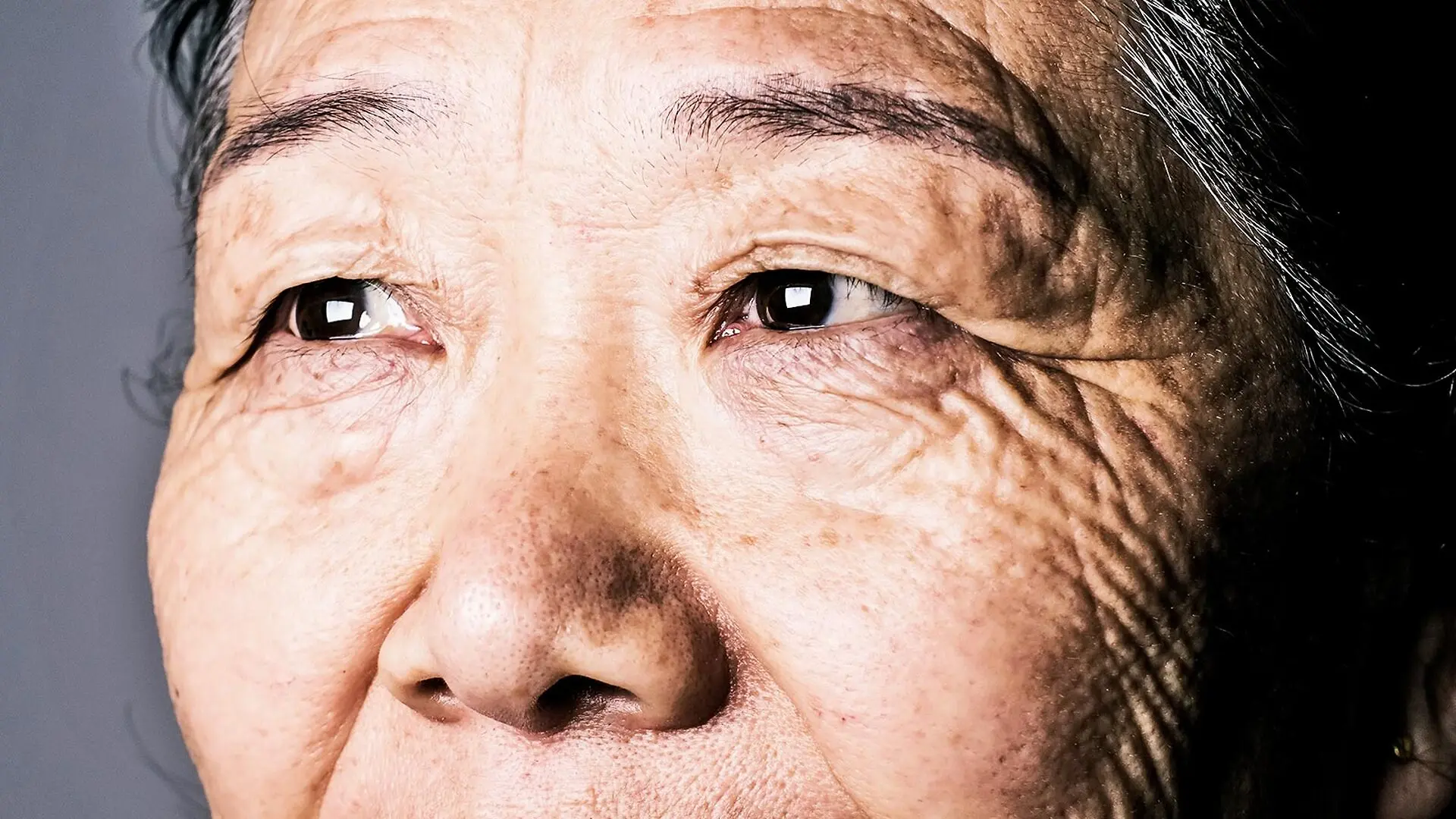
Groundbreaking Gene Therapy Triggers Biological Rewiring in Adult Eyes
A recent breakthrough in retinal research has challenged the conventional understanding of nerve cell regeneration, revealing that a single-dose gene therapy can do more than just stabilize inherited vision loss—it can actively prompt the mature eye to rebuild its own damaged infrastructure. The study, conducted by researchers at the Michigan State University College of Veterinary Medicine, indicates that adult mammalian retinas possess a surprising degree of plasticity, capable of repairing neural connections long after initial development.
The research, published in Molecular Therapy Advances, focused on treating a rare inherited condition driven by mutations in the CaBP4 gene. This specific genetic error disrupts essential calcium signaling between the eye’s photoreceptors and the brain, effectively severing the pathway required for vision. By deploying a gene therapy that acts as an “editor” to correct these genetic blueprints, the scientists successfully bypassed the faulty instructions that lead to cellular dysfunction.
While the team anticipated a restoration of visual function, the physical transformation of the tissue was the most significant discovery. “In this paper we were able to show three independent structural changes supporting plasticity in the adult retina,” said Billie Beckwith-Cohen, an assistant professor who led the study alongside professor Simon Petersen-Jones. “Not only were new components added, but pre-existing abnormalities were repaired.”
To demonstrate this, the team worked with dogs suffering from spontaneous, naturally occurring cases of the disease. This model is considered highly significant for translational medicine because canine eyes share striking anatomical similarities with human eyes, including well-developed vision and specialized regions of high cone density that are absent in rodent models. Because these animals develop the condition through natural genetic inheritance rather than laboratory-induced modification, the researchers argue the results provide a more accurate reflection of how similar therapies might perform in human clinical settings.
The implications of the study extend beyond the treatment of rare genetic mutations. By proving that the adult retina retains the capacity to reorganize, thicken, and reconstruct damaged neural networks, the findings suggest that other forms of vision loss previously categorized as permanent may actually be reversible. This evidence of latent biological repair mechanisms opens new doors for potential interventions in a wide array of retinal diseases.
Ultimately, the ability of the mature eye to repair its own circuitry represents a fundamental shift in ocular science. By providing the correct genetic instructions, researchers have demonstrated that it is possible to unlock the eye’s inherent ability to heal, providing fresh optimism for the future of regenerative medicine in human ophthalmology.
This article has been fact checked for accuracy, with information verified against reputable sources. Learn more about us and our editorial process.
Last reviewed on .
Article history
- Latest version
Reference(s)
- Beckwith-Cohen, Billie., et al. “Gene therapy induces synaptic ribbon maturation, synaptogenesis and vision recovery in an adult dog model of retinal degeneration.” Molecular Therapy Advances, vol. 34, no. 3, September 1, 2026, pp. 201782 Elsevier BV, doi: 10.1016/j.omta.2026.201782. <https://doi.org/10.1016/j.omta.2026.201782>.
Cite this page:
- Posted by Elizabeth Taylor